
Related videos:
A potential political transition in Cuba could create significant economic opportunities for American companies and foreign investors, according to analysts consulted by the British newspaper The Telegraph.
The report explores various scenarios for a Cuba following the current power system and argues that some experts see significant potential in sectors such as tourism, hospitality, real estate, and certain industries currently controlled by the state.
Among the voices cited is Richard Feinberg, a former U.S. official and recognized specialist in Cuban affairs, who suggests that a future transition could lead to privatization processes similar to those observed in several Eastern European countries following the fall of communist regimes.
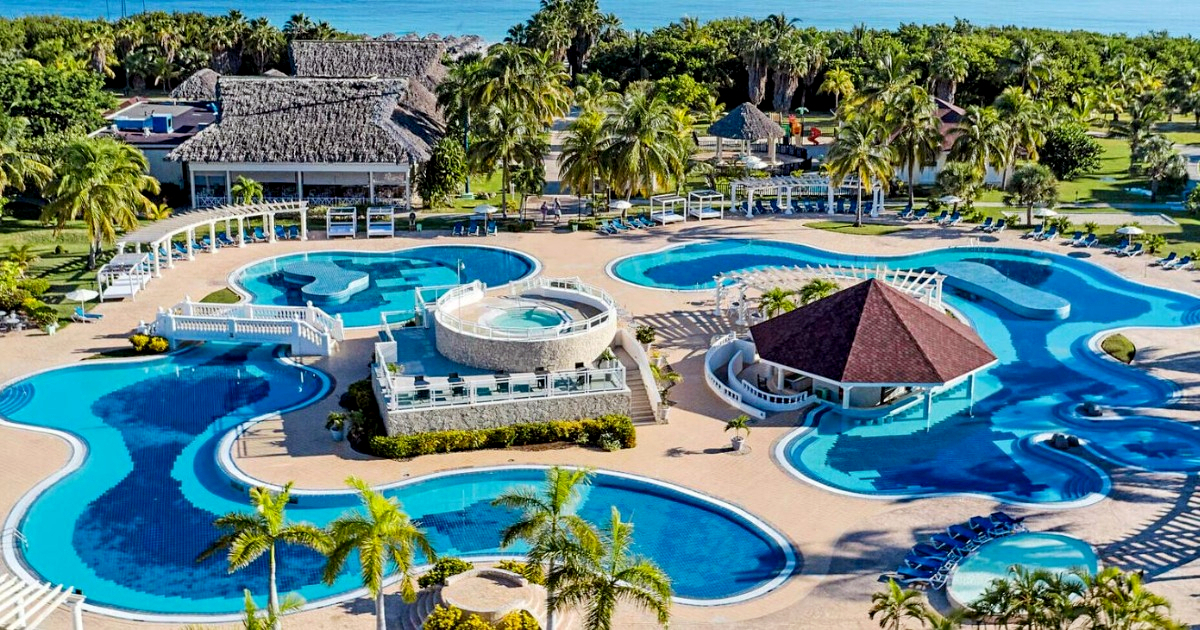
According to Feinberg, assets such as hotels, tourist facilities, beachfront properties, and state-owned enterprises could attract the interest of international investors in a scenario of economic opening. The analysis also mentions the possible future of GAESA, the business conglomerate managed by the Cuban military, which is considered one of the most important economic players on the Island.
For some experts consulted by The Telegraph, any significant transformation of the Cuban economy would necessarily involve redefining the role of state-controlled enterprises and the Armed Forces.
El reportaje recuerda además que Donald Trump mostró interés empresarial en Cuba antes de llegar a la Casa Blanca. El entonces empresario registró marcas comerciales vinculadas a proyectos hoteleros y expresó en distintas ocasiones que invertiría en la Isla si existieran condiciones adecuadas.
In addition to foreign investors interested in "the day after" in Cuba, a group of wealthy Cuban entrepreneurs would also be ready to inject millions into the Cuban economy, as indicated by consultant Roberto Fernández-Rizo in an interview with Tania Costa for CiberCuba.
"Declarations have already been made, there are already two statements from Jorge Mas Santos. Among the wealthiest in the Cuban exile community, they have allocated their fortunes for the first year: 35 billion in investments and a humanitarian program. Hey, hunger in Cuba will be over in three months. Three months," said the interviewee.
However, this capital comes with an unwavering condition: investors demand legal security, a genuine transition to democracy, announced elections, and a transparent legal framework that protects their rights.
“They said: we meet to set it up, but legal security, changes, a transition to democracy, announced elections, in other words, with all the rights that an investor needs, and complete justice, everything clear, very clear there,” Fernández-Rizo specified.
Filed under: