
Related videos:
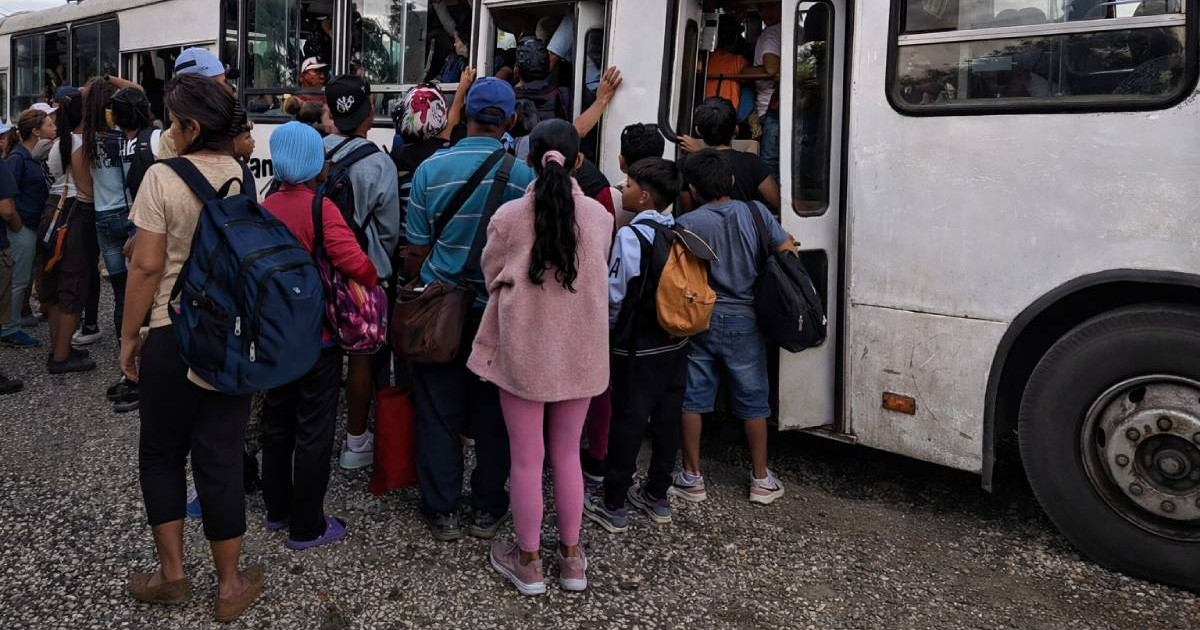
The Cuban Ministry of Transport (MITRANS) implemented the most severe cut to national transportation this Thursday since the onset of the energy crisis.
The new restrictions that came into effect drastically limit the mobility of Cubans between provinces.
The measures affect national buses, trains, the maritime route between Nueva Gerona and Batabanó, and the APK Viajando app, which has been temporarily suspended on the official grounds of "restoring security measures."
National buses between Havana and the provincial capitals are shifting from daily operations to just three times a week, while routes to Baracoa, Manzanillo, and Moa will be limited to one departure per week.
The routes between Santiago de Cuba and San José de las Lajas and Artemisa will also have a weekly frequency, and national trains to the eastern region will operate once every 16 days, double the interval that was already in place since the cuts made in February 2026.
The maritime route between Nueva Gerona and Batabanó will operate with two frequencies per week, and domestic flights will remain the same for now.
One of the most profound changes is the end of the unrestricted sale of tickets. For an indefinite period, the seats will be allocated by provincial commissions based on priority criteria such as medical appointments, hospital discharges, the death of a family member, return to the place of origin, and urgent family needs.
The capacities already sold until June 17 will be fully honored, according to the official announcement.
Third major adjustment to transportation in 2026
The MITRANS declared "emergency mode" in advance. In February, it suspended waiting lists, last-minute terminals, and daily worker transfers. Additionally, it reduced train services to a frequency of once every eight days. In May, an interim frequency cut was implemented before reaching the final adjustment this Thursday.
The root of the problem is the collapse of external oil supply: Cuba went without imported crude oil from December 2025 to April 2026 due to the interruption of shipments from Venezuela and Mexico.
The collapse of urban transport is not new in Cuba, but the crisis intensified in January. In Ciego de Ávila, only two out of 135 bus routes have been operational this year, while in Havana and Matanzas, intermunicipal service has been virtually paralyzed for months.
In the informal market, fuel prices reached 6,000 Cuban pesos per liter during April and May, an amount that is unattainable for most Cubans. Currently, a liter of gasoline costs 5.50 dollars.
Filed under: