
Related videos:
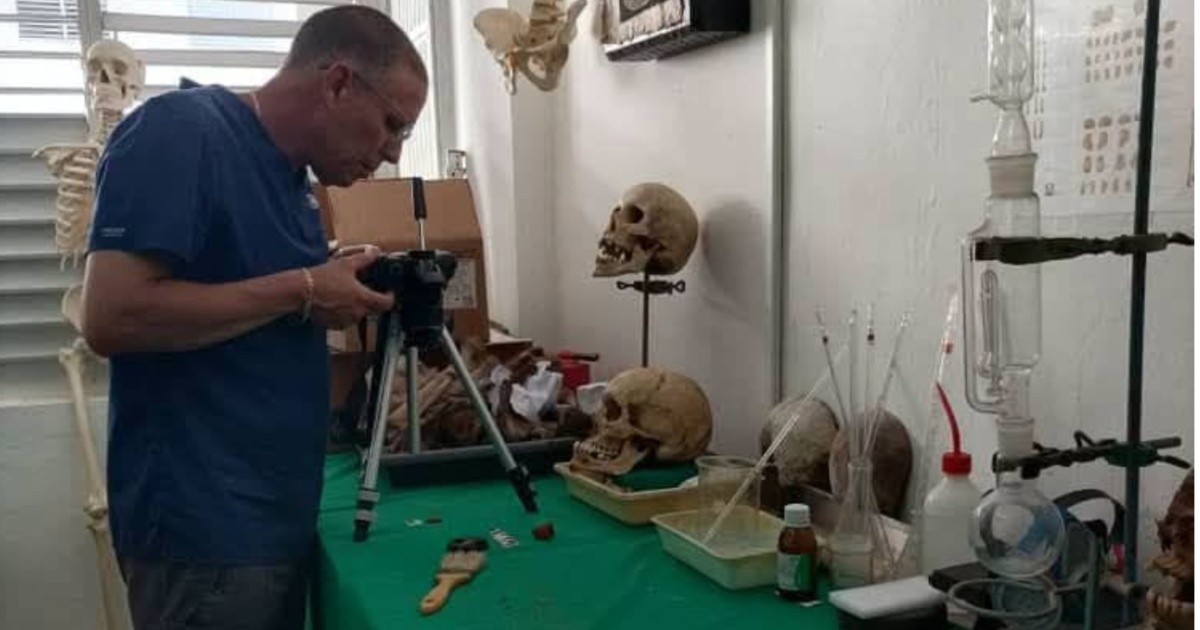
Yoel Monzón González, forensic anthropologist and head of the Forensic Anthropology Work Team (ETAF) in Matanzas, will soon travel to Venezuela to join a multidisciplinary team of Cuban specialists dedicated to the identification of victims of the devastating double earthquake of June 24, as reported by the newspaper Girón.
The two earthquakes, with magnitudes of 7.2 and 7.5, shook the state of Yaracuy with only 39 seconds in between and left more than 1,400 confirmed deaths and up to 50,000 missing according to UN estimates, with projections from the United States Geological Survey placing the final number of fatalities between 10,000 and 100,000 people, given the structural fragility of Venezuelan buildings.
Monzón González, a Master of Science and a permanent member of the forensic section of the International Committee of the Red Cross in Latin America, was also summoned in his capacity as a full member of the Latin American Association of Forensic Anthropology (ALAF).
"It is the first time I have worked abroad on a case of this magnitude," the specialist told the Girón newspaper.
The Cuban forensic team being dispatched to Venezuela is multidisciplinary and includes forensic doctors, thanatologists, and forensic anthropologists, with the identification of corpses as the central task.
The specialist from Matanzas emphasized the humanitarian urgency of this work: "Identification in this case is fundamental, because at this moment there is a great state of uncertainty among the family members, who do not know whom they have reported as missing, whether they have passed away or if they are still alive."
Monzón González also emphasized the ethical dimension of the work: "Every disaster results in countless deaths, which must be treated with dignity, while also restoring those identities so that the families can carry on with their mourning and grief."
The specialist anticipated that teams from various countries would also participate in the efforts, given the magnitude of the number of missing persons and its impact on the volume of forensic work.
Monzón González has previous experience in mass disaster situations in Cuba. His most complex case was the identification of victims from the Matanzas Supertanker Base fire, which occurred in August 2022, where the high temperatures destroyed fingerprints, dental records, and genetic material, making forensic identification an extremely difficult process.
In Venezuela, Cuban doctors present in the country —about 12,930 health collaborators— mobilized to assist the injured in the Comprehensive Diagnostic Centers following the earthquakes. The deployment of the forensic team represents a second layer of cooperation, specifically aimed at identifying the deceased.
"We know that the task we face is complex due to the magnitude of the event, but we emphasize our commitment and responsibility to the profession, to each of the victims and their families," said Monzón González, who added: "The actions we take there will make a small contribution to the humanitarian effort for Venezuela."
Filed under: