
Related videos:
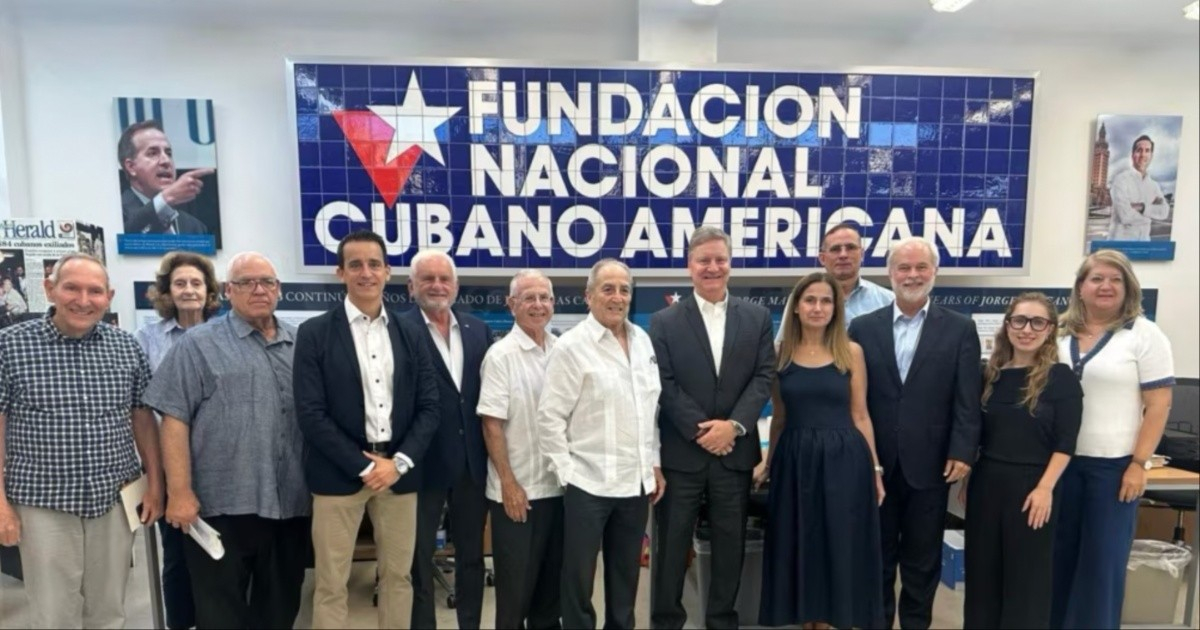
Roy Perrin, Deputy Chief of Mission at the United States Embassy in Cuba, met this Sunday in Miami with representatives of the Cuban community in exile to hear firsthand about their experiences, aspirations, and concerns regarding the future of the island, as reported by the diplomatic mission.
Among the attendees at the meeting was José Daniel Ferrer, leader of the Patriotic Union of Cuba (UNPACU) and one of the most prominent Cuban dissidents, who arrived in Miami on October 13, 2025, after being released from prison and forced into exile by the Díaz-Canel regime.
The Embassy shared the meeting on social media with a message that captured the spirit of the gathering: "For our Deputy Chief of Mission Roy Perrin, it was important to hear directly from the Cuban community in exile in Miami. We all wish for a better future for the island."
The meeting takes place at a time of intense U.S. diplomatic activity regarding Cuba. Just two days earlier, on Friday, Perrin had a conversation about Cuba with Lieutenant General Evan Pettus, Deputy Commander of U.S. Southern Command (SOUTHCOM), in what the Embassy described as a "productive" exchange.
This diplomatic-military dialogue is part of an increasing coordination between the two institutions, which had a historical precedent on May 29, 2026, when General Francis L. Donovan, head of SOUTHCOM, met with Cuban General Roberto Legrá Sotolongo at the Guantanamo Naval Base, marking the first contact between military leaders of the two countries in decades.
Perrin operated under the direction of mission chief Mike Hammer, who since November 2024 has promoted a so-called "street diplomacy" aimed at connecting directly with Cuban civil society both on and off the island.
This policy has generated constant friction with the regime: groups aligned with Díaz-Canel confronted and harassed Hammer during acts of repudiation in June 2025 in Regla and in February 2026 in Trinidad.
Ferrer, the central figure of this Sunday's meeting, was imprisoned following the protests of July 11, 2021, released in January 2025 under an agreement mediated by the Vatican, re-arrested in April of that same year, and ultimately exiled to Miami after a formal request from the U.S. government.
From exile, the leader of UNPACU has maintained a firm stance. Upon arriving in Miami, he stated that the conditions were right for these to be the "last days of the regime" in Havana.
The backdrop of the exile's demands before U.S. diplomacy is bleak: Cuba recorded 1,281 political prisoners at the end of May 2026, according to the organization Prisoners Defenders, a figure deemed a historical record on the island.
Filed under: