
Related videos:
One in four pregnant women in Ciego de Ávila suffers from some nutritional issue, according to data presented this Monday to the Government Commission for Attention to Demographic Dynamics, chaired by Prime Minister Manuel Marrero Cruz, which highlighted the province as having some of the worst indicators in maternal and child care on a national scale.
Of the 1,393 pregnant women registered in the territory, 351 —25.2%— have nutritional deficiencies: 128 were identified with malnutrition, 88 have anemia, and 135 show insufficient weight gain. This percentage exceeds the national average of 22.5% and places Ciego de Ávila alongside Santiago de Cuba, Granma, and Guantánamo among the provinces with the worst results in the country.
The situation of infants also raised alarms during the meeting. Of 2,807 children under one year old, 125 —4.5%— have nutritional problems, placing the province as the third in the country for this indicator, only behind Granma and Santiago de Cuba. From that group, 260 are associated with social risk.
Food scarcity is not limited to individual cases: the weekly assessment of the diet confirms that the difficulty in ensuring the delivery of all products stipulated in the diet 06.02 encompasses all municipalities in the area.
Nutritional deficiencies are compounded by basic material shortages. As of June 6, 31 pregnant women lacked cribs and 16 lacked mattresses; among infants, three did not have cribs and one did not have a mattress.
The deficit of weights for adults in the doctor's and nurse's clinics reaches 137 units, with no possibility of immediate replacement due to being imported equipment.
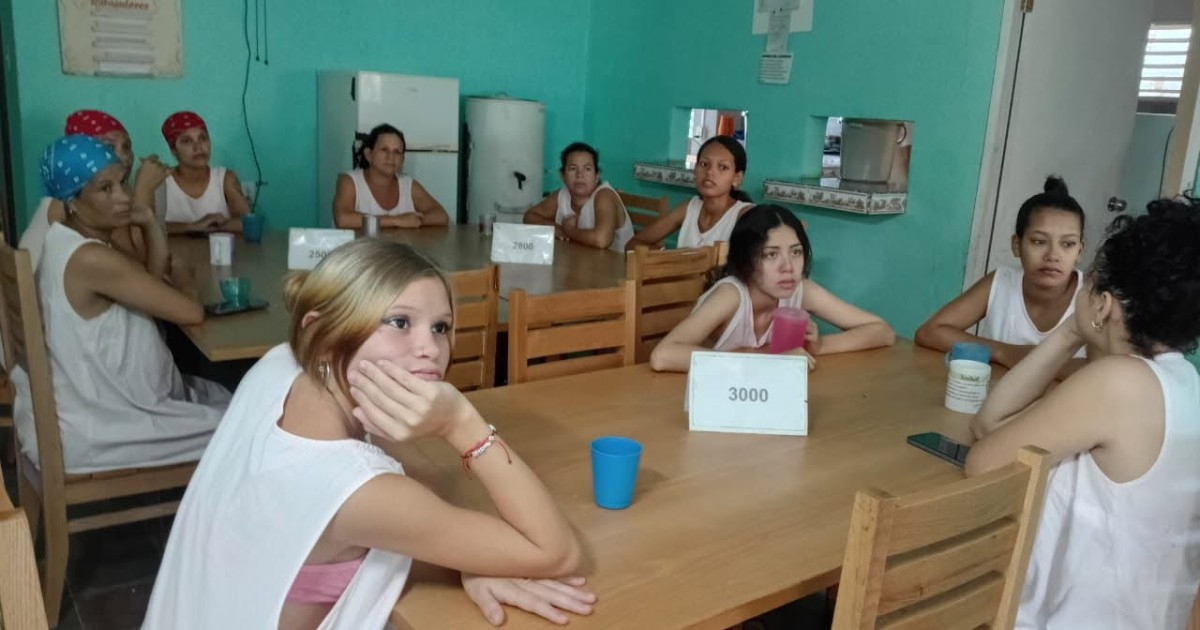
The healthcare infrastructure exacerbates the situation. The province has 11 maternal homes for its 10 municipalities, but three of them—Florencia, Primero de Enero, and Bolivia—still lack this institution.
Florencia's maternal home, which is supposed to be completed in the first quarter of 2026, is only 20% completed; Primero de Enero is at 60%; and Bolivia has the location defined without having started construction.
Two of the existing homes also have structural issues. Meanwhile, pregnant women from those municipalities are being admitted to the hospitalization wards of the polyclinics as a temporary solution.
Another 48 pregnant women, 10 breastfeeding mothers, and two children residing in the territory without a registered home address do not receive benefits such as the diet, the baby basket, the crib, or the mattress.
The province also reports 10 pregnant adolescents aged 15 or younger who refuse to enter maternal homes, cases that will need to be addressed through social policy commissions.
This situation is set against a crisis of infant mortality that is worsening in Cuba: the national rate ended 2025 at 9.9 per 1,000 live births, the highest in over two decades.
Ciego de Ávila recorded a rate of 10.7, almost double the figure of 5.8 that it had reached in 2024, one of its best recent results.
Filed under: