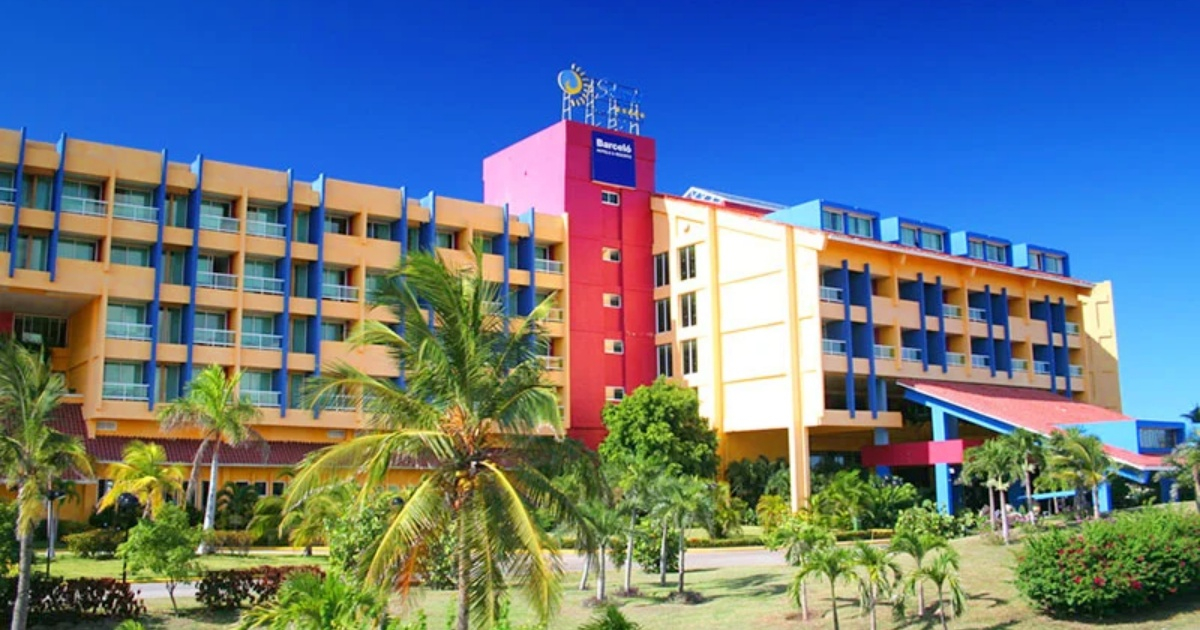
Iberostar and Barceló confirmed on Tuesday the complete cessation of their operations in Cuba, joining Meliá, which had previously notified the National Securities Market Commission of its definitive exit from the island starting Friday, July 24.
as three major Spanish hotel chains with a presence in the country are leaving simultaneously, according to the newspaper Expansión.
The trigger: sanctions against the Ministry of Tourism
Last week, the administration of Donald Trump added the Ministry of Tourism of Cuba (MINTUR) and nine other state entities to the U.S. Department of the Treasury's list of Specially Designated Nationals, marking the first time in history that an entire ministry of the Cuban regime has been placed on this blacklist.
The measure eliminated any legal margin to maintain contracts with groups like Cubanacán and Gran Caribe, both dependent on MINTUR, and forced the definitive departure of the chains that still had operations on the island.
Meliá and Iberostar had already taken the first step in June by abandoning 27 hotels linked to Gaviota, a subsidiary of the military conglomerate GAESA.
The new sanctions closed the door to the rest of their activities.
Iberostar: Out after more than thirty years
Iberostar, the chain owned by the Fluxà family, had ceased operations at 12 of its 18 hotels on the island, all of which were linked to Gaviota.
It maintained six other establishments active in Havana, Varadero, Trinidad, and Cayo Guillermo, but following the sanctions on July 13, those hotels became unavailable for bookings.
The chain, which opened its first establishment in Cuba in 1993, confirmed the cessation with a brief statement:
"IberostarCuba Hotels & Resorts confirms that it no longer operates or markets any hotels in Cuba. The company continues to support its teams during this phase, maintaining its commitment to the future development of the country."
Barceló: terminates contracts early
Barceló was the least exposed of the three.
The group managed only two hotels from the state-owned Gran Caribe in Varadero - the Barceló Solymar, with 525 rooms, and the Occidental Arenas Blancas, with 358 - under contracts that are valid until 2027.
Despite this, he decided to terminate the agreements before their expiration and is no longer present on the island since last week.
The shift was notable: on June 17, Raúl González, CEO of Barceló Hotels EMEA, had stated that the intention was to wait until the end of the contract.
"The message we receive from the United States is that we are strictly complying with what is required. Unless we are told otherwise, we will maintain the contract until the end of its validity period," he stated.
Meliá: Almost four decades and 34 hotels
Of the three, Meliá is the hardest hit by the departure.
The chain managed 34 hotels with 14,053 rooms on the island, where it opened its first establishment - the Sol Palmeras in Varadero - in May 1990.
By the end of 2025, Cuba represented 14.65% of the company's portfolio of rooms.
In its statement to the CNMV, Meliá explained that the decision is due to the "notable operational, legal, economic, and financial difficulties that have persistently affected" Cuba, circumstances that make "in fact and in law" a "minimum operational stability" impossible.
The network will assess the full financial impact when it releases its first half accounts on July 30.
A tourism in free fall
The simultaneous departure of the three chains occurs at the worst time for Cuban tourism in decades.
In 2025, the island received only 1.81 million international visitors, the lowest since 2002, with a hotel occupancy rate of 18.9%.
In the first quarter of 2026, only 328,608 tourists arrived in the country, representing a decline of over 55% compared to the same period the previous year.
The exodus of international operators is not new either.
Minor Hotels - the former NH - abandoned its two establishments in Havana earlier this year.
The Canadian company Blue Diamond Resorts also confirmed its exit in May, affecting 62 hotels and over 12,900 rooms.
The total losses of Spanish companies in Cuba are estimated between 80 and 100 million euros, based on an accumulated investment of 465 million from 1993 to 2024.
Related videos:
Filed under: