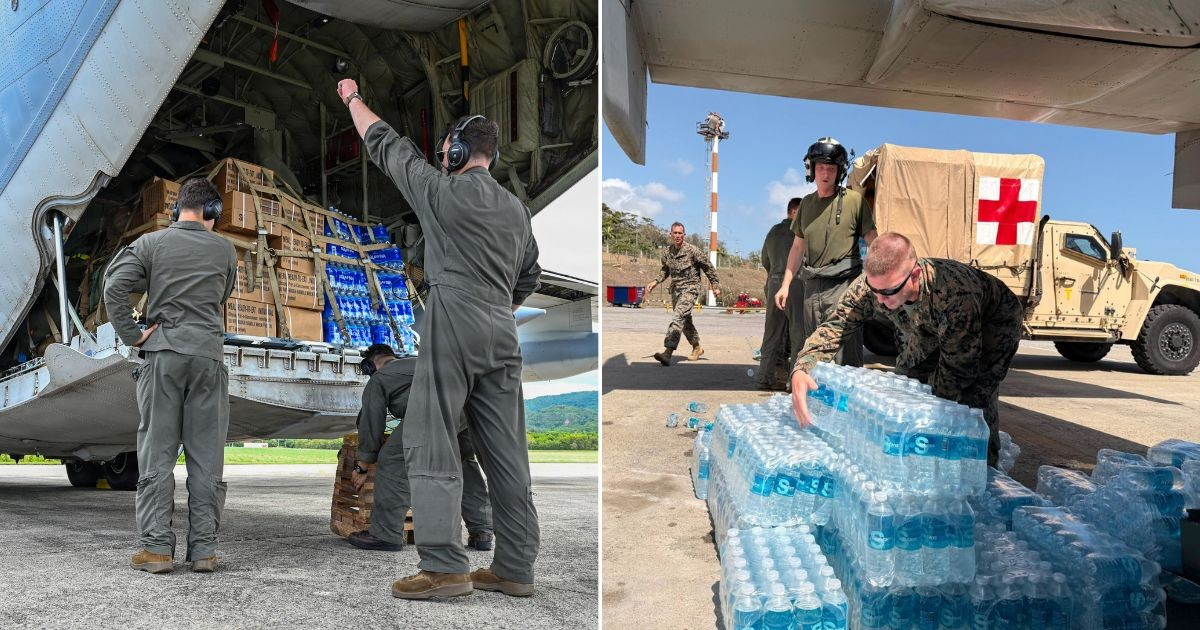
The U.S. Department of the Treasury announced on Monday a temporary policy easing financial controls that will allow U.S. banks and institutions to process authorized transactions related to humanitarian aid and the reconstruction of Venezuela, following the devastating earthquakes on June 24.
According to the agency EFE, the measure was issued by the Financial Crimes Enforcement Network (FinCEN) and states that this agency will not take regulatory actions against financial entities providing authorized services in Venezuela between July 27, 2026, and January 29, 2027.
The main objective is to reduce the regulatory risk faced by banks when processing transactions to a country under sanctions, so they can more swiftly channel funds designated for humanitarian assistance, housing and infrastructure reconstruction, and overall economic recovery.
The official FinCEN document specifies that the coverage "will not apply to known, deliberate, or intentional violations" of U.S. financial regulations.
The new policy is based on two general licenses previously approved by the Office of Foreign Assets Control (OFAC): General License 60, issued on June 25 to authorize relief transactions for the earthquakes — valid until October 23, 2026 — and the General License 57, in effect since April and allowing operations with the Central Bank of Venezuela and three state banks.
Financial institutions that seek this protection must maintain active compliance programs against money laundering and adhere to the current sanctions imposed by the OFAC.
The urgency of the measure is supported by the scale of the disaster. The two earthquakes on June 24, with magnitudes of 7.2 and 7.5—occurring just 39 seconds apart—rank among the most destructive in recent Venezuelan history.
A report from the World Bank presented a week ago estimated the direct physical damages at $19.6 billion, with La Guaira and the Capital District being the most affected areas, accounting for nearly half of the total.
The organization warned that the slow pace of reconstruction could hinder the country's economic recovery for a decade.
Financial flexibility is part of a gradual opening policy that Washington has implemented since Nicolás Maduro's capture in January.
In March, the U.S. authorized businesses with PDVSA to increase the global supply of crude oil, and in April removed interim president Delcy Rodríguez from the OFAC SDN sanctions list.
Related videos:
Filed under: