The water supply systems of at least seven states in the United States were targeted by coordinated cyberattacks in recent days, which federal authorities describe as an unprecedented threat to the country's critical infrastructure, according to a report by El País published this Saturday.
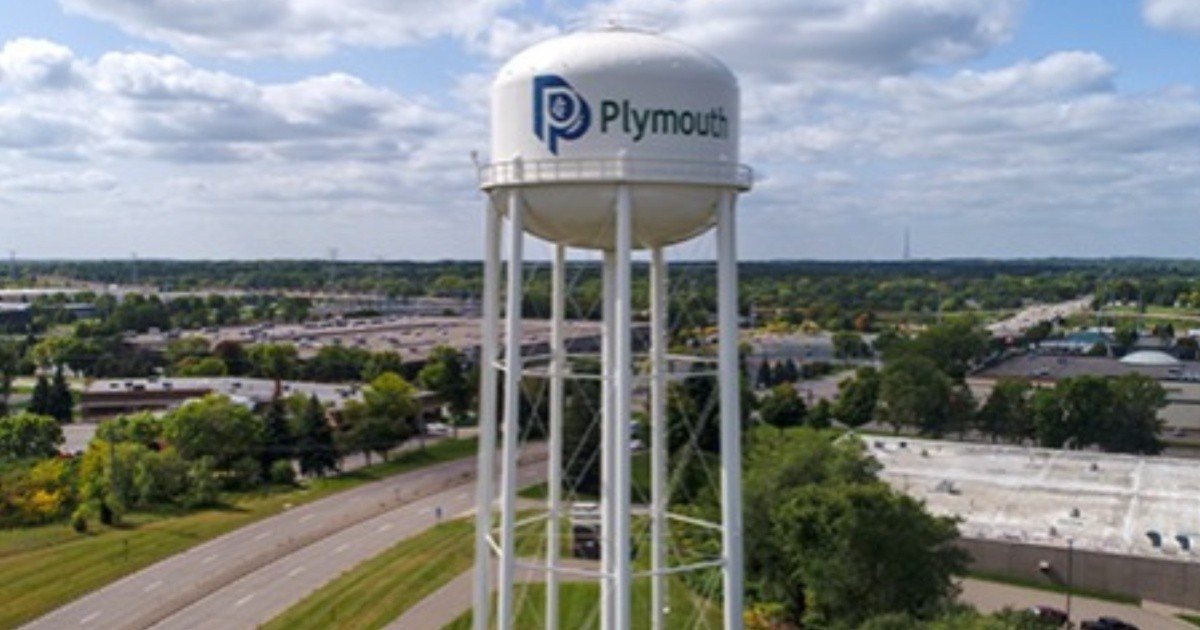
Minnesota was the first state to report the incident: on July 26 and 27, more than 30 community water systems were compromised in a coordinated attack, as reported by Minnesota IT Services.
In the following days, Michigan and at least five other states confirmed similar incidents, although to date, there have been no reports of any impact on water quality or interruptions in the supply to the population.
The attacks involved password alterations, changes in network configurations, and manipulation of sensors in industrial control systems, which limited the operators' ability to monitor and manage the equipment.
Security analysts and federal investigators point to Iran as the primary suspect in the context of the open armed conflict that the United States and Israel have been waging against Tehran since February 28, 2026.
Experts in security cited by The New York Times recall that Iran has significantly raised the level of its cyber operations since the beginning of that conflict, noting that the attacks do not have an apparent economic motive, which reinforces the hypothesis of a state operation.
However, the attribution is not definitive. According to CBS News, which cites officials from the FBI, agents are also investigating the possibility that someone attempted to make it seem as though the attacks were coming from Iran in order to heighten tensions between the two countries.
The president Donald Trump dismissed the Iranian hypothesis in statements from Camp David on Friday and pointed directly at the Democratic governor of Minnesota, Tim Walz.
"We heard there was a cyberattack in Minnesota and they're blaming Iran. I don't believe it. I think I would blame Minnesota, because they are extremely incompetent," Trump said at the beginning of a meeting with his cabinet.
The president went further: "There was a cyberattack against 30 water treatment plants, and I would blame Minnesota and its corrupt governor. He likes to say, 'Oh, Iran!'. If only Iran were that lucky. Iran has more serious problems to worry about than Minnesota."
Walz responded on social media indicating that the episode demonstrated there is no plan to win the war with Iran and that federal cuts to cybersecurity had left the country vulnerable.
This is not the first time that U.S. water infrastructure has been targeted by Iranian actors.
In November 2023, the group CyberAv3ngers, linked to the Islamic Revolutionary Guard Corps, compromised at least 34 devices in the water sector in the U.S., including a pumping station in Aliquippa, Pennsylvania.
In May 2026, the U.S. also suspected that Iran had interfered with automatic measurement systems at American gas stations, altering readings without causing confirmed physical damage.
The federal cybersecurity agency CISA issued a warning on July 30 urging water system operators to disconnect industrial control devices from the internet, and back in April, it had already published a joint alert with the FBI, the Environmental Protection Agency, and the Homeland Security Agency specifically warning about Iranian actors targeting those systems through poorly protected programmable logic controllers.
As the list of affected states continues to grow and the FBI carries on its investigation, the dispute between Trump and federal agencies over the origin of the attacks adds a layer of political uncertainty to a security crisis that, for now, has no resolution date.
Related videos:
Filed under: