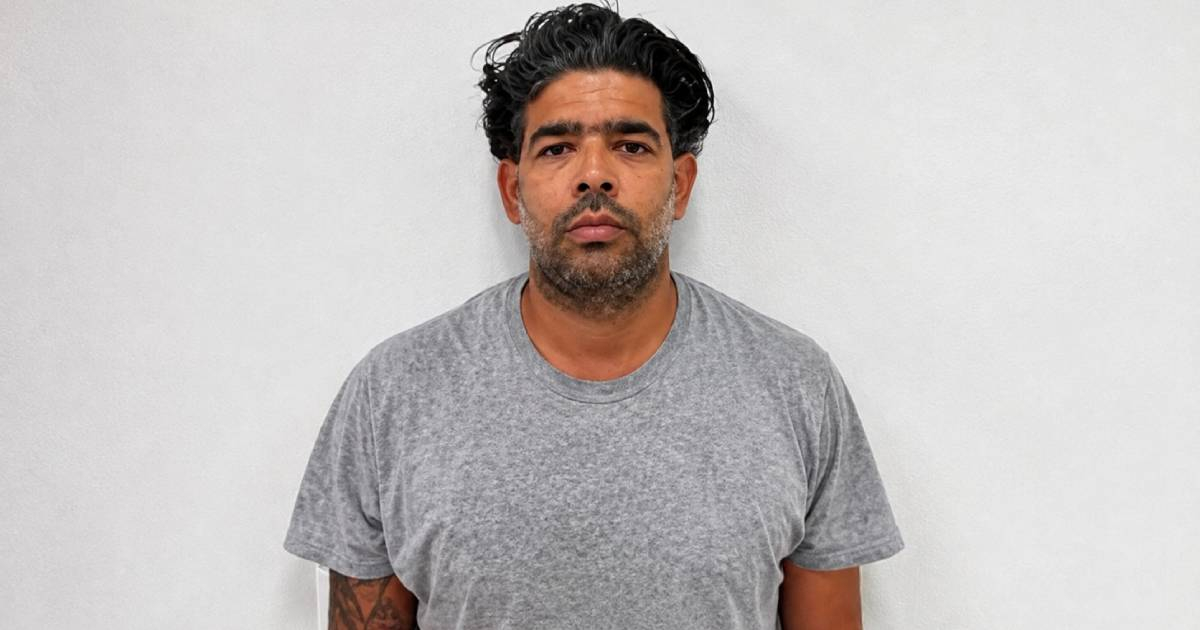
A Cuban citizen with a criminal record for electronic fraud and vehicle theft was deported from the United States, reported the Department of Homeland Security (DHS), as part of a new list of immigrants expelled from the country after serving sentences for various offenses.
This refers to Omar Loaces González, whose deportation occurred on July 17, according to a statement released by the DHS on July 31, in which the agency highlighted the expulsion of several immigrants with criminal records while asserting that crime rates in the United States have decreased during the administration of President Donald Trump.
According to DHS, the Cuban had been convicted of vehicle theft and wire fraud, offenses that led to his inclusion on the list of deported immigrants with criminal backgrounds. The statement did not specify the country to which the Cuban was deported.
The case of Loaces González had already drawn attention weeks earlier. On June 12, the ICE office in New Orleans announced his arrest and reported that he remained in immigration custody pending further proceedings.
A post by U.S. Law Enforcement mentioned that the agency clarified that the Cuban had a prior conviction for electronic fraud, a federal crime that involves using phone calls, emails, text messages, or other electronic communication methods to obtain money or goods through deception.
The court records show that Loaces González pled guilty to a charge of electronic fraud related to the federal Paycheck Protection Program (PPP) and Economic Injury Disaster Loan (EIDL) programs, created to provide financial assistance to businesses affected by the COVID-19 pandemic.
The investigation revealed that he intended to appropriate 342,877 dollars, of which he obtained 210,832 dollars. Additionally, his criminal record included prior convictions for grand theft of a motor vehicle, illegal transportation of fuel, and driving a commercial vehicle without the appropriate license.
During the sentencing, the court acknowledged the defense's arguments regarding the defendant's family background, but concluded that the seriousness of the fraud committed against public assistance programs during the pandemic, along with the defendant's criminal record, warranted a sentence higher than that recommended by federal guidelines. Ultimately, the Eleventh Circuit Court of Appeals upheld the 31-month prison sentence.
In the same statement referring to the deportation of the Cuban, the DHS assured that homicides, vehicle thefts, robberies, and other crimes have seen decreases during the first half of 2026. The Deputy Secretary of Homeland Security, Lauren Bis, attributed this reduction, in part, to the expulsion of immigrants with criminal records.
Related videos:
Filed under: