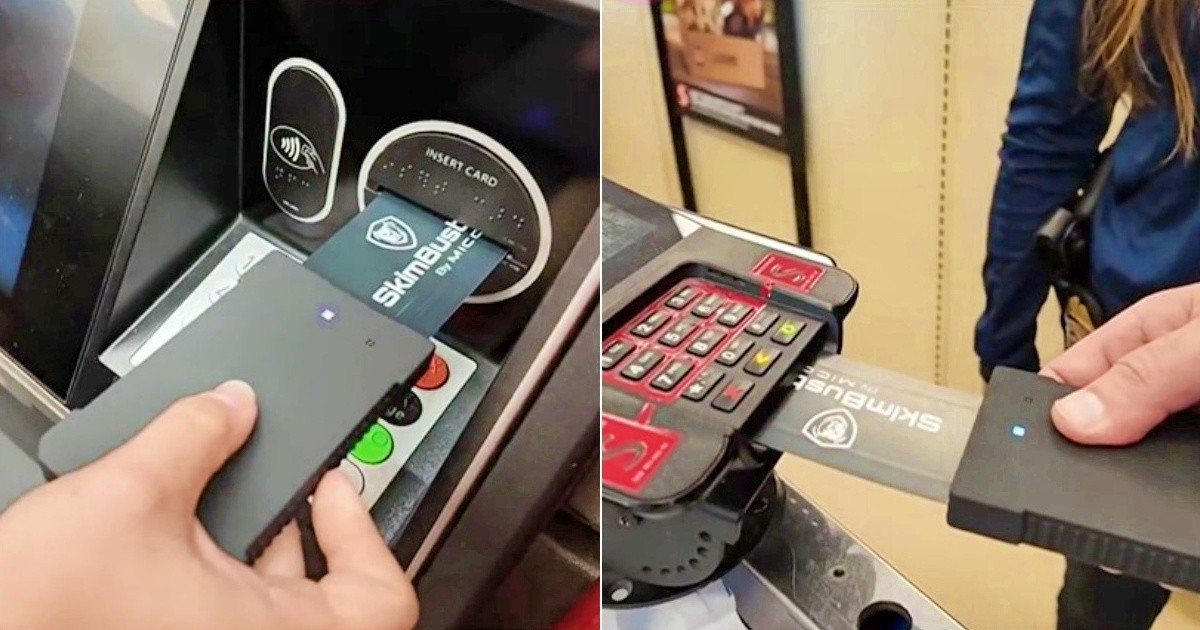
The United States Secret Service, along with the police departments of Hialeah and Homestead, seized 13 illegal card cloning devices in businesses across South Florida during the so-called "Operation Heat Check," an initiative that, according to the official statement released on Wednesday, prevented potential fraud losses estimated at 13.5 million dollars.
What was Operation Heat Check?
The operation combined extensive inspections of establishments with an outreach campaign directed at the businesses themselves.
During the operation, agents visited 378 establishments throughout the Miami area and conducted 2,842 inspections of point-of-sale terminals, gas pumps, and ATMs.
In addition to confiscating the 13 illegal devices, the teams distributed educational materials so that employees at the businesses can learn to identify cloning devices and better protect their customers.
The initiative also targeted fraud related to the Electronic Benefits Transfer (EBT), the system through which millions of families access their food assistance.
How do cloning devices work?
The so-called skimmers are devices that criminals secretly install on ATMs, gas pumps, and payment terminals in stores.
Once installed, they capture the victim's card data without their knowledge, allowing criminals to make fraudulent purchases, withdraw funds, or copy the stolen information onto a new card.
The impact is especially severe for those who rely on EBT benefits to purchase food and essential items, as since December 20, 2024, stolen SNAP funds obtained through cloning can no longer be replaced at the federal level.
Criminal organizations that operate with these devices often move quickly between communities and jurisdictions, making coordination between federal, state, and local agencies essential.
What do the authorities say about the next steps?
Michael Townsend, special agent in charge of the Secret Service office in Miami, emphasized the preventive nature of the operation: "Partnerships with law enforcement, businesses, and our communities are essential to dismantle these crimes and protect the public."
Operation Heat Check is not an isolated case; it is part of an ongoing national program by the Secret Service to combat credit card data theft and EBT benefits fraud.
In July 2025, a similar operation in Miami-Dade and Broward visited 613 businesses, inspected over 4,700 terminals, and recovered 10 devices, preventing estimated losses of 12.4 million dollars.
The spokesperson for the Hialeah police, Eddie Rodríguez, made it clear that what happened this week is just the beginning: "Through this operation comes the investigation, the arrests... So this is just the start of a very large investigation."
Why is South Florida a frequent target?
The official statement from the Secret Service was straightforward: "Miami is a global city, home to millions of residents and one of the most visited destinations in the United States. That visibility also makes South Florida an attractive target for criminals looking to exploit hardworking consumers and businesses."
In January 2025, two Cubans were arrested in Tampa with cloning devices and fraudulent cards.
In May of this year, the Orlando police dismantled a credit card fraud ring linked to 37 incidents between October 2025 and April 2026, resulting in losses of over $5,180 in SNAP funds.
In July of this year, four men were accused in the Southern District of Florida of diverting more than 19 million dollars from the SNAP program between 2019 and 2026.
Related videos:
Filed under: