The United States removed Syria from its list of state sponsors of terrorism on Monday, ending a designation that had been in place since 1979, leaving Cuba, Iran, and North Korea as the only three countries still on the list.
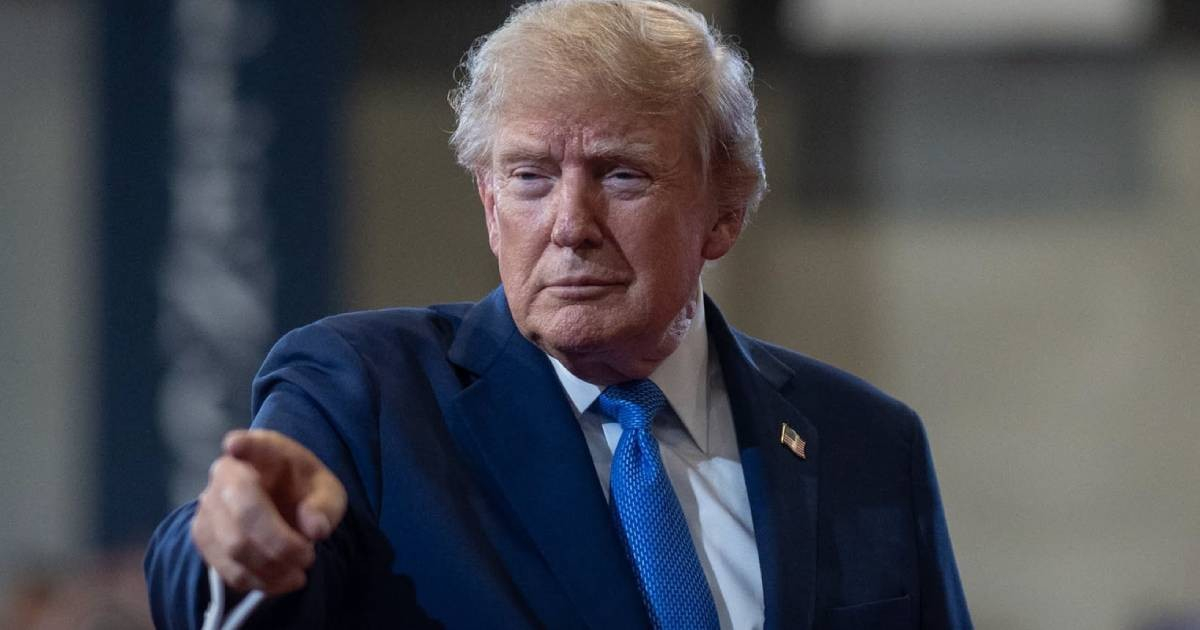
The decision, made by the administration of Donald Trump, is part of Washington's shift towards the new Syrian government and aims to facilitate investment and the country's economic recovery, according to an official statement from the State Department.
"The Treasury fulfills President Trump's promise to give the Syrian people a chance at greatness. This action will help encourage further investment in Syria to promote political and economic stability," stated Treasury Secretary Scott Bessent.
The process began on July 8, when Trump announced his intention to remove the designation after meeting with Syrian President Ahmed al-Sharaa. Congress subsequently provided a review period of 45 days.
Washington also removed the designation of Hayat Tahrir al-Sham (HTS) as a specially designated global terrorist organization, while the Office of Foreign Assets Control (OFAC) eliminated the group from its sanctions list.
HTS, previously linked to Al Qaeda and known as the al-Nusra Front, was led by al-Sharaa, who led the coalition of armed groups that overthrew Bashar al-Assad in December 2024.
Al-Sharaa himself had been considered a terrorist by Washington before the rapprochement with the Trump administration.
According to Al-Monitor, Syria's inclusion on the list posed significant barriers to exporting certain technological products, equipment, and software to the country, even after the lifting of other sanctions.
Syria's departure now leaves Cuba among only three countries with that designation, alongside Iran and North Korea.
The island first entered the list in 1982, during Ronald Reagan's administration. Barack Obama removed it in 2015 and Trump re-included it in January 2021.
Joe Biden announced his withdrawal again on January 14, 2025, as part of an agreement that included the release of political prisoners in Cuba, but Trump reversed that decision six days later upon returning to the White House.
In May 2025, Washington also re-added Cuba to the list of countries that do not fully cooperate in the fight against terrorism, a classification that is separate from that of a state sponsor of terrorism.
Among the reasons put forward by Washington for keeping the Cuban regime in this position are the asylum granted to fugitives wanted by U.S. justice and concerns regarding its cooperation in anti-terrorism efforts.
The designation entails restrictions on U.S. foreign assistance, prohibitions related to exports and defense sales, controls over certain dual-use goods, and other financial sanctions.
Havana argues that its inclusion is arbitrary and politically motivated, and it has been demanding its removal for years.
The decision regarding Syria, however, marks a clear difference in Washington's policy toward both governments: while the Trump administration is focused on lifting restrictions to boost reconstruction and investment in Damascus, Cuba remains under one of the most severe sanctions regimes imposed by the United States.
Related videos:
Filed under: