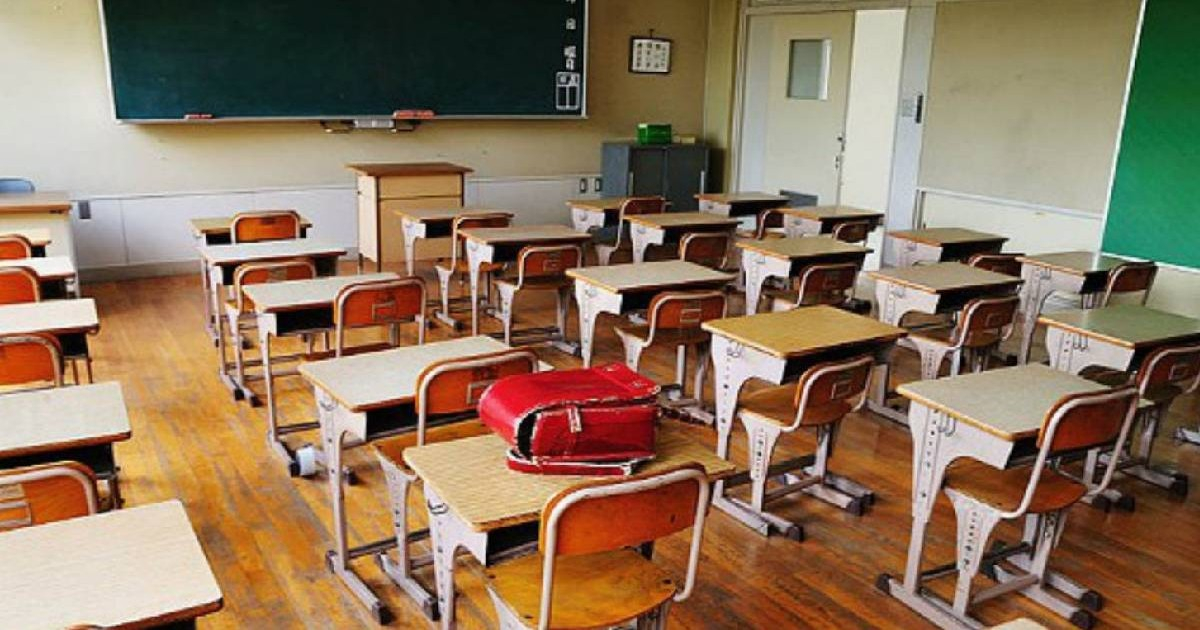
The Miami-Dade public school system started the 2026-2027 school year with an unprecedented decline: only 215,078 students enrolled in centers directly managed by the district, compared to 230,172 in the previous cycle, a loss of approximately 15,100 students.
The decline even surpassed the internal projections of the district itself. Spokesperson Elmo Lugo acknowledged that the figures "fell short by 5,333" from what had been expected, attributing the drop to "the decline in birth rates, changes in migration patterns, and the high cost of living in the region."
For the first time in their history, charter schools (free public schools that operate independently from school districts and receive public funding based on the number of students) also experienced a decline: they decreased from 86,913 students the previous year to 85,473 in this new cycle, marking the first setback for this type of institution.
One of the most frequently cited reasons is the decline in the arrival of immigrant families. Superintendent José Dotres pointed out that while two cycles ago the district welcomed between 15,000 and 22,000 new students from abroad each year, in the last cycle that number dropped to just about 3,300.
In 2023, Miami-Dade experienced the opposite phenomenon: more than 22,000new immigrant children started the school year in a single academic year, the largest influx in two decades.
While public classrooms are emptying, private schools are reporting record enrollments.
The Archdiocese of Miami projects to reach about 37,000 students this school year, its highest number in at least 15 years. This increase is largely driven by Florida's state educational voucher program, which was expanded in 2023 to include all children regardless of family income, currently benefiting approximately 60,850 students in private schools within the county.
The enrollment crisis is leading to severe budgetary consequences. The district had already cut its budget in the middle of last school year and approved a reduced budget for the current year, with additional cuts of about 63 million dollars.
In June, the School Board unanimously approved the closure or consolidation of nine campuses, a decision that eliminated 168 jobs.
The list of at-risk schools doesn’t stop there.
The School Assistance Limits Committee published a list of 27 public schools under review, divided into 12 classified as "reevaluated" - all operating at 50% or less of their capacity - and 15 "under review." Both Dotres and his designated successor, the superintendent of the Southern Region Rafael Villalobos, have warned that further closures or consolidations will be necessary.
The district is trying to stop the decline through marketing campaigns that highlight its specialized programs and vocational training routes. Lugo emphasized that he "will not stand idly by" in his effort to "bring families back."
There is a time frame: the first official enrollment count for state funding purposes takes place in October, and last year that figure was about 4,000 students higher than on the first day of classes.
The phenomenon is not exclusive to Miami-Dade. The neighboring county of Broward approved the closure of six schools at the beginning of the year, after losing more than 40,000 students in the last decade.
Related videos:
Filed under: