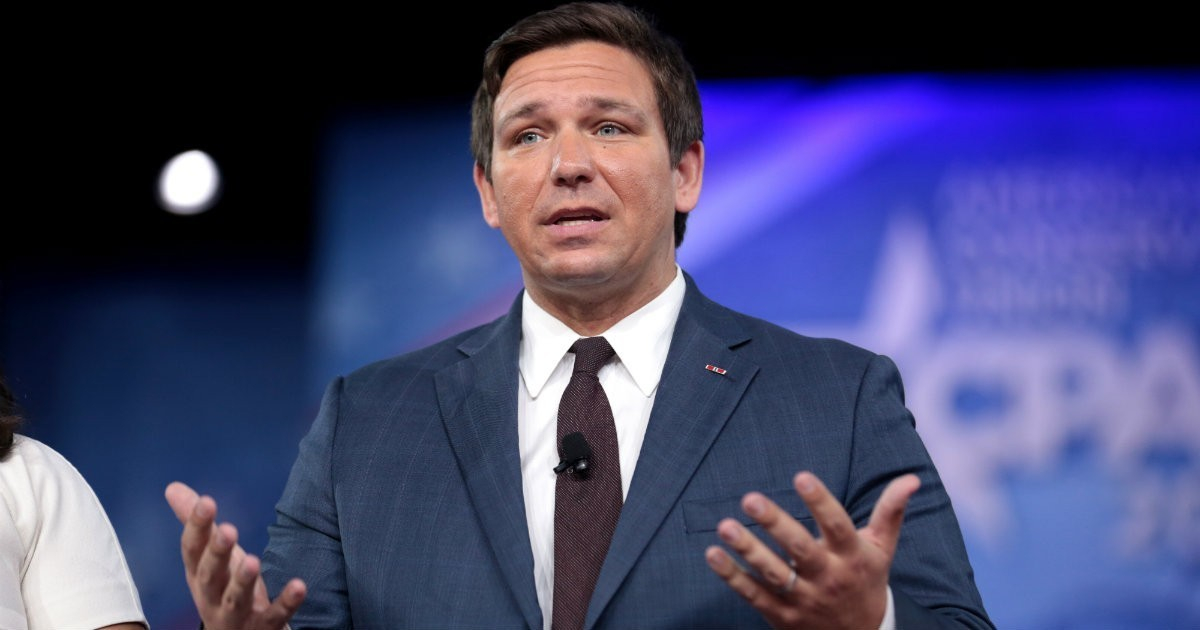
The governor of Florida, Ron DeSantis, described the automated license plate reading systems from Flock Safety as "out of control" technology and urged state lawmakers to establish regulations that protect the privacy of Floridians.
The statements were made during a press conference at Florida International University (FIU) in Miami, where he addressed the topic spontaneously at an event scheduled for another matter.
"These cameras, the license plate readers, I believe are out of control," stated the governor, who distinguished these devices from traditional readers used for toll collection, noting that Flock cameras are used for surveillance and criminal investigation.
DeSantis was emphatic that he does not oppose the use of police technology, but he drew a clear line between pursuing criminals and monitoring ordinary citizens.
"I am fully in favor of law enforcement having tools to hold criminals accountable. But I do not want this to turn into a surveillance state," he stated.
The politician also cited specific cases of abuse: "When I see a police officer using this to track, for example, an ex-girlfriend, I think: what the hell is going on with this?".
According to news reports from this year, an officer in Orange City tracked his ex-girlfriend's license plate at least 69 times over several months, while another officer in Haines City checked the vehicle of his ex-wife 717 times over more than two years, fabricating investigative justifications.
DeSantis linked the debate to his failed "Artificial Intelligence Bill of Rights", a legislative package that the state Senate approved last March by a vote of 35 to 2, but which the House of Representatives refused to process. The governor harshly criticized that body: the House "did not want to do anything about it," he said, and alleged that this measure would have precisely prevented the scenario he is now denouncing.
As a model to follow, she pointed to the legislation in New Hampshire, which requires the deletion of data captured by license plate readers within just three minutes, unless it is related to an arrest, citation, or missing person case.
However, the stance of the Republican leader clashes with decisions made by his own administration. According to El Nuevo Herald, in the last year, DeSantis and his cabinet approved approximately 2.5 million dollars in state grants - sourced from immigration funds - for six local police agencies to acquire Flock cameras or consolidate their data. Additionally, the Florida Highway Patrol used that network more than 250 times between March and May of 2025 for immigration control operations.
DeSantis's position also contrasts with that of President Donald Trump, who signed an executive order limiting the ability of states to restrict artificial intelligence and favoring federal regulation, in line with his alliance with major tech companies.
The governor acknowledged that any real change must go through the state Legislature and urged voters to directly pressure their representatives. "The only way this can be addressed is legislatively. They will need the Legislature to provide protections for the people," he stated.
DeSantis, who is in his final year as governor of Florida after concluding his last legislative session, did not present a concrete proposal but made his position clear: "I do not want to be in a situation where these tech companies, a handful of companies, know everything about you and where you are going. I believe this is going to get much worse unless we have some protections for the people of Florida."
Related videos:
Filed under: