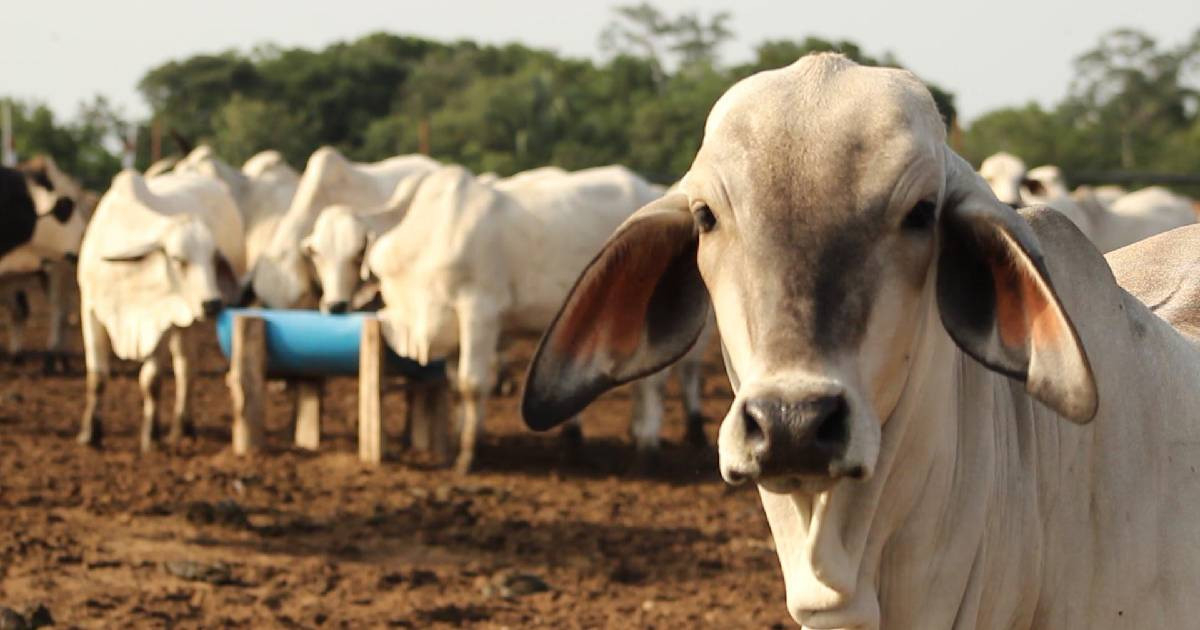
The municipality of Camagüey deployed over 330 riders organized into 54 mounted brigades to strengthen rural surveillance and combat the theft and illegal slaughter of large livestock, confirmed the station Radio Cadena Agramonte on Thursday.
The brigades are composed of 25 rapid response units, established to represent an equal number of cooperatives, including seven from Agricultural Production and 18 from Credits and Services.
These structures were joined by 35 auxiliaries from the National Revolutionary Police, authorized by the Ministry of the Interior to participate in rural patrols.
The surveillance device still needs to be expanded to the 10 base business units and the nine existing basic cooperative production units in the territory, according to official information.
The mobilization comes amid growing concern over crimes in the province and reflects the scale that the issue of theft and illegal slaughter of livestock has taken for the structures responsible for protecting the cattle industry.
An analysis of the municipal government presented in August revealed that in the first half of 2026, more than 600 offenses were recorded in the capital of Agramonte, of which 40% were serious crimes such as burglary, crimes against life, and theft of livestock in its various forms.
The citizen reaction to those figures was largely critical. "In 180 days, only 600 crimes? I'm sure there is an error in the reported figures or a lack of recording of criminal activity is occurring," wrote a resident in the comments section of the state media.
Another pointed directly to the causes: "Number one, constant darkness, with circuits that remain without electricity the entire night; number two, lack of patrol services."
Several residents also questioned why the burden of surveillance should fall on the workers and farmers themselves. "I don't think the workers' guards will actually resolve the issue of crime; there have already been deaths of security personnel in various places in Cuba. The responsibility for combating crime lies with the law enforcement agencies," remarked another citizen.
The problem has deep roots in a province that has historically been the main dairy basin of the country. In 2024, Camagüey recorded nearly 58,963 animal deaths and 7,143 clandestine sacrifices, while its milk production plummeted to 41.1 million liters, less than half of the 92 million reached in 2019.
On a national scale, Cuba lost more than 900,000 heads of cattle since 2019, according to data from the Ministry of Agriculture presented to the National Assembly in July 2025.
The forum reported that illegal poaching and slaughter affected more than 27,000 animals in 2024.
The use of mounted patrols is not new either. Other provinces, such as Artemisa, Sancti Spíritus, and Santiago de Cuba, have implemented similar measures in response to the perception of police inaction in rural areas.
What sets the Camagüey case apart is the scale and formalization of the scheme, with 25 detachments, 54 brigades, and 35 police auxiliaries already incorporated.
A Cuban farmer summarized in April the paradox faced by those who raise livestock. "They steal a cow from you, and you have to pay the State for it." This is because the animals belong to government entities, not to the producer who takes care of them.
Related videos:
Filed under: