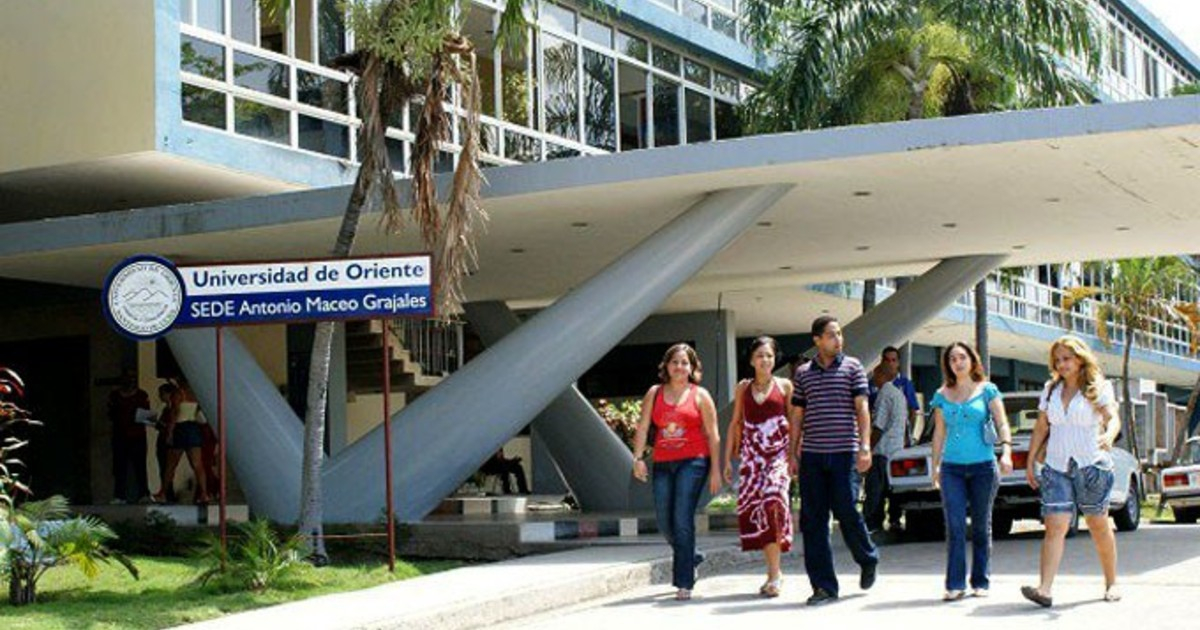
The Ministry of Higher Education (MES) published this Friday the , which establishes the new procedure for evaluating the work of professors in the higher education system in Cuba, replacing the standard that was in effect for 12 years.
The regulation appeared in the , on pages 188 to 193, and is a direct response to a mandate from the new Labor Code —Law 189/2026, approved on July 30, 2026—, whose Second Final Provision required the MES to update its regulations on teacher evaluation within a period of 45 days.
The regulation repeals Resolution 66/2014, which had governed the evaluation of university professors since June 2014.
According to the text of the resolution, the direct responsible for the process is the head of the teaching department or chair, as well as the directors of Study Centers, Municipal University Centers, and Municipal University Branches, "as appropriate."
Each calendar year, the person in charge must prepare a results plan in coordination with the teachers, taking into account the general and specific functions of the teaching category, the strategic objectives of the institution, and the various institutional processes.
The evaluation process encompasses undergraduate and graduate studies, science, technology and innovation, university outreach, internationalization, and material and financial assurance, among others.
The plan must include indicators with quantitative goals, tasks with responsible individuals, participants, and start and completion dates.
The resolution also states that the document "is prepared in an atmosphere of cordiality and mutual respect, with active participation from the professors, signed by the evaluator and the professor, and filed in the department or chair," with a copy for the teacher.
The evaluation is based on three pillars: the self-assessment of the teacher, the systematic oversight provided by the department head, and the feedback from employees and students.
The final result is rated on a scale of four categories: excellent, good, fair, or poor.
The annual evaluation process is scheduled to take place between December and January of each academic year.
In the same Gazette No. 78, the was published, which establishes an equivalent methodology for the teaching staff at non-university levels, aiming for a simultaneous and coordinated update of the entire teacher evaluation system in response to the new Labor Code.
The regulation is published at a time of acute crisis for Cuban higher education: the 2026-2027 university course began on September 1 in blended and distance learning modalities due to the energy crisis, and the education system is facing a shortfall of tens of thousands of teachers at all levels.
Related videos:
Filed under: