The popular chain of toy, clothing, and baby product stores Toys "R" Us will open 120 new independent stores in the United States before Christmas, marking its largest physical expansion in nearly a decade.
With this addition, the total number of standalone brand establishments in the country will increase from 40 to 160 operational stores for the holiday season, the company confirmed in a statement.
The expansion is being carried out in partnership with Go! Retail Group and adds to the presence that the chain already has in numerous Macy's stores nationwide and in facilities of the Navy Exchange, the company specified.
In Florida, the progress is concrete: the chain opened a space in August at the Orlando International Airport (MCO), in partnership with WHSmith North America, and plans to open a second location at the same airport by the summer of 2027.
"These new locations take Toys"R"Us to one of the country's most significant family travel markets, providing travelers heading to Orlando and the central Florida metropolitan area another way to enjoy the brand during their trip," the official announcement details.
In the southern part of the state, Toys "R" Us is already present in Macy's stores in Miami—including International Mall, Dadeland, Aventura, and South Beach—as well as in Broward Mall, Sawgrass Mills, Pembroke Lakes, and The Falls.
The new independent stores will not be conventional retail spaces. In select locations, they will feature Creator Studios—areas dedicated to influencers and content creators for showcasing products and organizing events—along with candy shops and cafes.
"Toys"R"Us has always been a place for discovery, and we are building on that legacy by offering customers the most popular toys, the latest trends, and experiences that make the brand unique," stated Jamie Uitdenhowen, Executive Vice President of Toys "R" Us at WHP Global.
The main brands that the chain plans to offer are LEGO, Barbie, Hot Wheels, Pokémon, and KPop Demon Hunters.
The decision to open stores during Christmas is no coincidence. For Gideon Schlessinger, CEO of Go! Retail Group, entering a Toys "R" Us store during the holiday season is something special: "The excitement of discovering the most popular toys, seeing beloved brands and characters come to life, and finding the perfect gift."
The return of Toys "R" Us comes at an unprecedented peak for the toy industry in the United States.
According to the market research and technology firm Circana, the sector recorded its best first half in six years, with sales growth of 17%. The most striking fact is that adults have become the driving force of the market: households made up exclusively of adults now generate 55% of the total sector revenue, with a 16% growth up to June.
Toy sales among all adults have increased by 25%, while the group of teenagers aged 12 to 17 leads with a 33% rise. Together, these two segments accounted for nearly 60% of the incremental dollar growth in the sector during the first half of 2026.
The analyst Kristen McLean, vice president of the Entertainment Knowledge Group at Circana, explained the phenomenon: "We are seeing that toys are increasingly functioning more like hobbies, fandom ecosystems, and social experiences, rather than as traditional children's products. This is expanding the consumer base and creating new opportunities for manufacturers and retailers who know how to connect with collectors, enthusiasts, those who buy gifts, and those who purchase for themselves."
Toys "R" Us is currently managed by WHP Global, a private equity group that took control of the brand in 2021 and also oversees Babies "R" Us and fashion brands such as Express, Marc Jacobs, and Vera Wang.
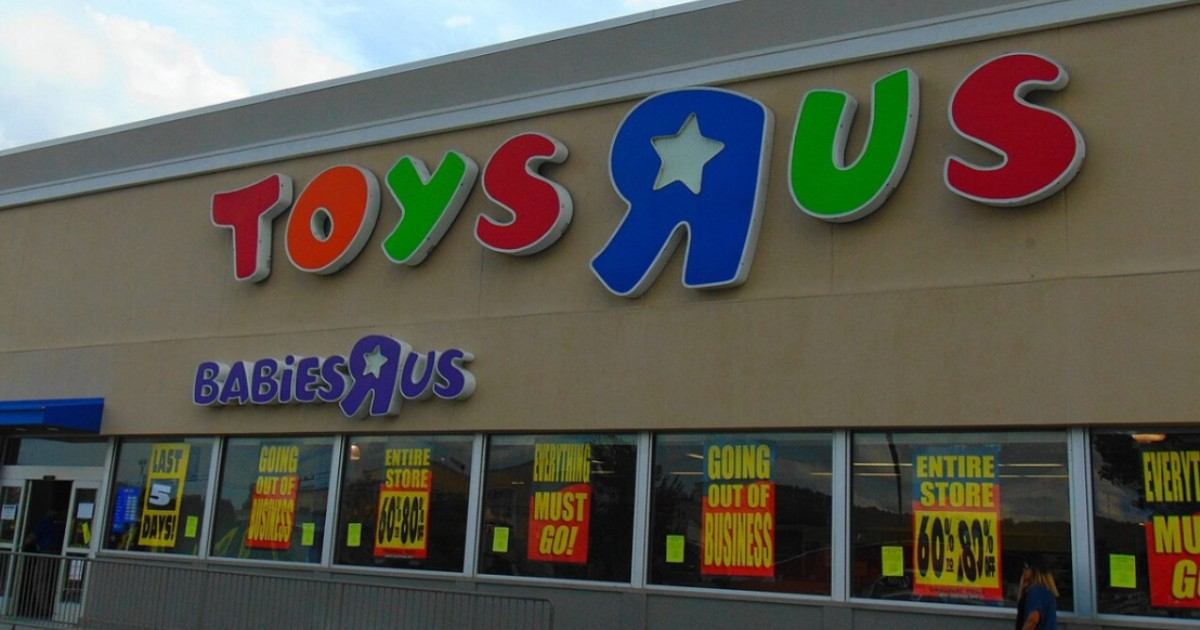
The contrast with the recent past is striking. The chain, which at its peak had more than 1,000 locations in the United States, filed for bankruptcy in September 2017 with a debt of approximately $5 billion, unable to compete with Amazon, Walmart, and Target during the rapid expansion of e-commerce. In June 2018, it closed its last stores in the country, putting an end to more than seven decades of history.
The opening of 120 new independent stores marks the brand's most ambitious step towards a massive physical presence since that collapse, and the holiday season will be the first major test of whether this comeback is built on solid foundations.
Related videos:
Filed under: