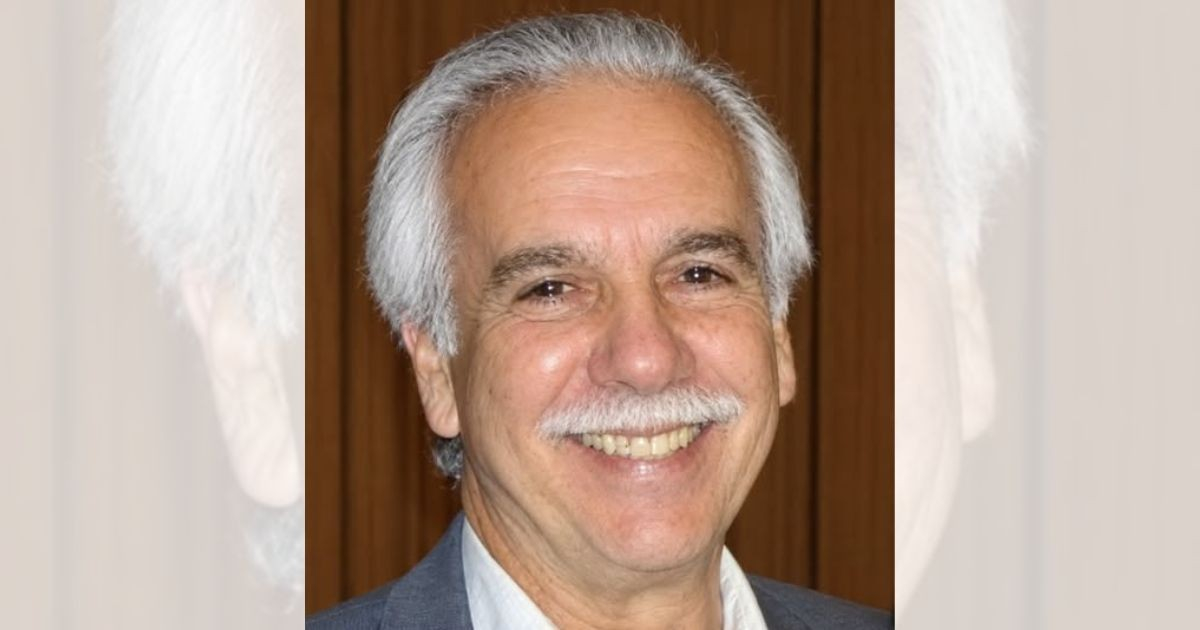
Emilio Martínez Venegas, founding member of the Brigade 2506 and a survivor of the Cuban political prison, passed away this Wednesday in Miami. The news was announced the following day by José Bello, also a political prisoner from the island, through a note published on Facebook.
"We are saddened to announce the passing in the city of Miami yesterday of our brother from the Cuban Political Prisoners, Emilio Martínez Venegas, known to many by the name Ernesto Guerra Vidal that he used to infiltrate," wrote Bello, who extended condolences to the family of the deceased and announced that the details of the funeral arrangements would be made public as soon as they were available.
Born in Ciego de Ávila, then part of the Camagüey province, Martínez Venegas was a founding member of the Movimiento de Recuperación Revolucionaria (MRR) and of Brigade 2506, where he held the brigadista number #2521. In 1961, he joined the clandestine infiltration team in the province of Camagüey, operating under the nom de guerre Ernesto Guerra Vidal.
After the failure of the Bay of Pigs invasion in April 1961, he took refuge in the Venezuelan Embassy in Havana. He stayed there for six months without obtaining the safe conduct that would allow him to leave Cuba. Upon exiting the diplomatic mission, he attempted an exfiltration through Pinar del Río, an operation in which his companion Juan Pereira Varela, known as "Juanín," lost his life. Captured by the authorities of the regime, he was tried in the Causa 58 of 1962 and sentenced to 30 years in prison, of which he served 15, the note states.
Within the Isla de Pinos Prison —now known as Isla de la Juventud—, Martínez Venegas bore the inmate number #30983 and was assigned to Block 19 of Forced Labor, one of the harshest regimes in the Cuban political prison system of that time.
The Inter-American Commission on Human Rights documented numerous complaints in its 1970 report about the conditions endured by Cuban political prisoners, including those held in the National Prison of Isla de Pinos: forced labor with excessive hours, beatings, corporal punishment, overcrowding, and other forms of cruel and degrading treatment.
After his release, he expanded the note, emigrated to Venezuela, where he held positions in the Union of Cuban Political Prisoners since its establishment. Later, he settled in Miami, where he became a recognized figure in the historical Cuban exile community. A netizen recalled in the comments of the post that he was "one of the first people" he met when visiting the Museum of Brigade 2506 in Little Havana in 2017. Another former member of the Brigade publicly bid him farewell as "a friend and Brother-in-Struggle of the Assault Brigade 2506."
The news of his death sparked a widespread wave of condolences on social media. Fellow fighters, family members, and compatriots bid farewell to him with words of deep appreciation. "Another fighter who dies without seeing a free Cuba," wrote one internet user. Another described him as "a compatriot from the old generation who risked his life to prevent the consolidation of the Castro dictatorship."
The departure of Martínez Venegas occurs at a time when Cuba records, according to human rights organizations, 1,339 political prisoners, a record high that makes the memory of those, like him, who suffered the regime's repression from its early decades particularly painful, as they devoted their entire lives to the cause of freedom for the Island.
Related videos:
Filed under: