South Florida is experiencing one of the worst streaks of restaurant closures in recent years, and the national numbers help explain why.
According to the National Restaurant Association, July marked the seventeenth time in the past 18 months that operators in the country reported a net decline in customer traffic, with 49% of establishments recording fewer visits than the previous year.
The problem is not that Americans have completely stopped dining out, but rather that many dine out less frequently, compare more, and seek greater value for each dollar.
And many restaurants, which operate on minimal margins, have less and less ability to absorb those costs.
That imbalance is felt particularly strongly in Miami and its surroundings, where commercial rents that once hovered around $60 per square foot have skyrocketed to over $100, while in prime locations they exceed $200.
The contracts require commitments of ten years or more, with annual increases of at least 3%.
Additionally, on this Wednesday, September 30, Florida implemented the minimum wage of 15 dollars per hour for workers who do not receive tips, and many restaurants are already paying 17 dollars or more to retain kitchen staff.
The summer of 2026 left behind a list of iconic closures in Miami-Dade that illustrates the magnitude of the problem:
- Yardbird Southern Table & Bar closed its original location in Miami Beach on August 5, after 15 years on Lenox Avenue. On September 21, the parent company filed for bankruptcy protection with nearly 25 million dollars in secured debt.
- Hillstone Bal Harbour abruptly closed its doors on August 10, after 11 years at Bal Harbour Shops, without providing any public explanation.
- Mr. Chow Miami Beach closed in June after nearly 17 years at the W South Beach.
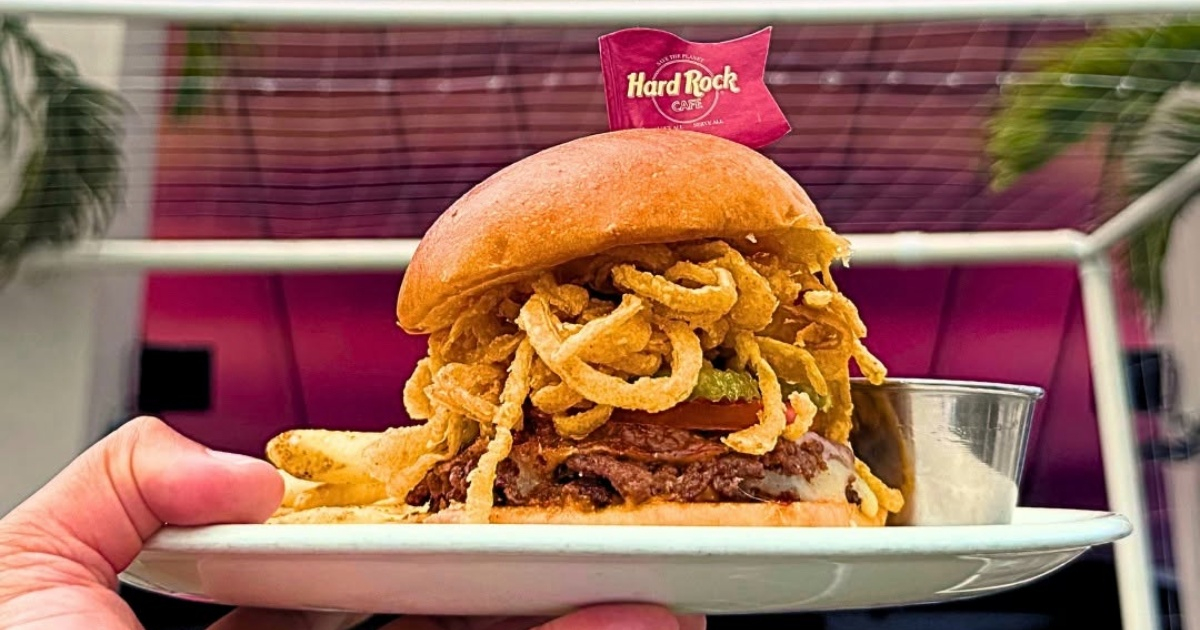
- Hard Rock Cafe Miami closed on August 19 at Bayside Marketplace, just over a month before reaching 33 years of operation, leaving 117 people unemployed after its lease expired and was not renewed.
- Sultan, an institution of South Beach for 38 years, and La Latina, a landmark of Venezuelan cuisine in Edgewater for 15 years, also closed their doors in August.
The case of the franchisee Quality Fresca I illustrates the mechanics of the crisis on a larger scale.
The company, one of the main operators of Moe's Southwest Grill, sought Chapter 11 protection on August 4 and closed 16 restaurants, 14 of which were in Florida.
The paradox of the case is revealing: Quality Fresca generated nearly 58.9 million dollars in net sales during 2025, but reported a consolidated EBITDA of approximately negative 111,000 dollars.
At the end of that year, the company had accumulated 44 million dollars in assets against 52 million in liabilities and 16 million in secured debt. A lot of volume, no margin.
The situation hits small operators particularly hard.
Tom Rhodemeyer, owner of Pigsty Barbecue in Boynton Beach, closed his original location after a decade of operation and summarized the reality of the industry with a phrase: “When you finish reviewing all the accounts, you have to decide whether you’ll be able to take a paycheck that week.”
Family-run restaurants, cafeterias, and small food stands in Hialeah and Calle Ocho—many operated by Cubans and Latin Americans—are particularly vulnerable: they have tighter margins, less access to financing, and a local clientele that also feels the economic pressure stemming from rising housing costs and essential goods.
To survive, operators are turning to smaller menus focused on dishes with better margins, a greater emphasis on delivery service, and agreements to share space with other businesses, as Rhodemeyer himself did by joining Bungalow Bar and Grill.
Miami Spice extends until October
In this context, the Miami Spice Restaurant Months program, a culinary initiative that offers fixed-price menus at participating restaurants in Miami and Miami Beach, will be extended for one more month.
The Greater Miami Convention and Visitors Bureau has extended the 25th edition of the culinary program until October 31, following a record participation of 405 restaurants during August and September.
This is not the first time that Miami Spice has been extended for a third month, although it hadn't happened in nearly a decade.
This time, however, the extension is not due to the impact of a hurricane, but rather to the 25th anniversary of Miami Spice and the record participation of restaurants in this edition.
The program's expansion comes at a particularly challenging time for the sector and provides participating restaurants with an additional opportunity to attract customers through fixed-price menus, in a context marked by rising costs, decreasing foot traffic, and increasing competition for consumer spending.
Related videos:
Filed under: