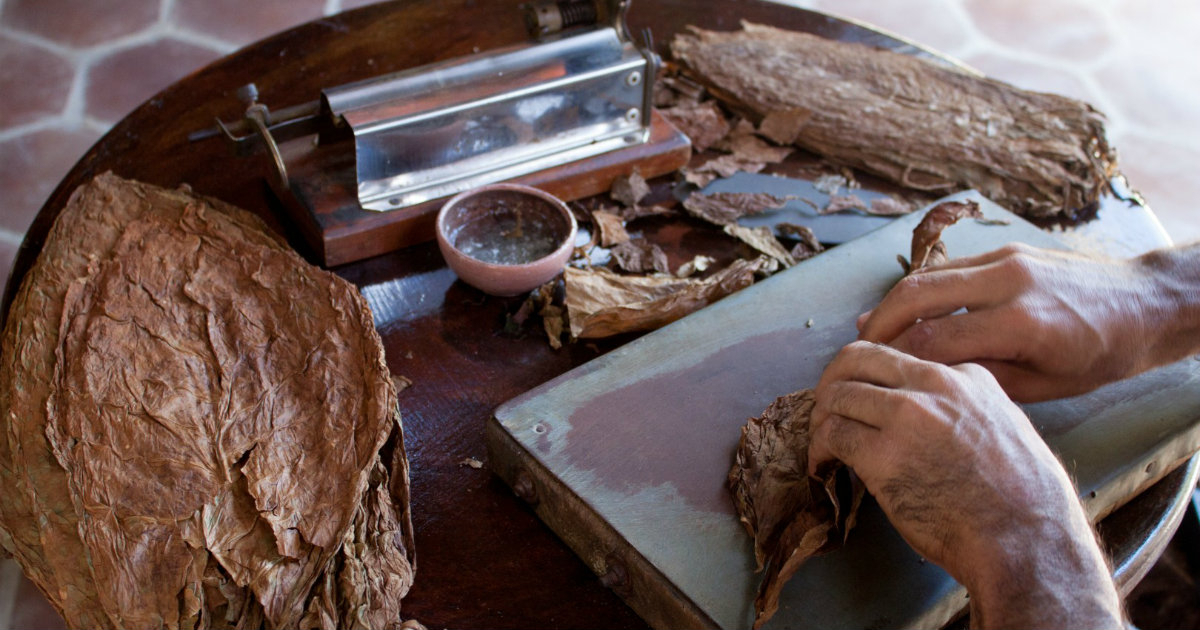
British American Tobacco (BAT), one of the largest tobacco multinationals in the world, ended more than three decades of business presence in Cuba by selling its 50% stake in Brascuba Cigarrillos S.A., the joint venture associated with the production in the island of brands such as Popular, Cohiba, H. Upmann, and Romeo y Julieta.
The operation has not yet occurred: the sale was completed in February 2026, although it has gained visibility now following the financial statements of the multinational and a study published by the German portal Kubakunde.
The half-year report of British American Tobacco for the six months ending June 30 confirms that the group had agreed to sell its 50% stake in Brascuba to Tabagest S.A., a company established in Cuba that was already listed as an investor in the joint venture.
The same document, also presented by BAT to the U.S. Securities and Exchange Commission (SEC), specifies that the transaction was completed in February and that, from that point on, the Cuban business was deconsolidated from the group's balance sheet.
The exit also had an economic impact for the multinational. BAT reported a net loss of 12 million pounds sterling related to the sale of Brascuba, a figure that includes four million pounds corresponding to previously recognized exchange losses.
The financial report also explicitly acknowledges the impact of the Cuban withdrawal on its regional business.
When analyzing the results from America and Europe, BAT notes that the growth in revenue from combustible products in markets like Turkey was partially offset, among other factors, by "the exit from Cuba".
The company's documents do not detail in that semiannual report the price paid by Tabagest. Kubakunde, based on BAT's financial documentation, estimates that the agreed price for the shares is approximately 25 million dollars, to which around 35 million dollars corresponding to the transfer of outstanding commercial credits against BAT subsidiaries in Brazil would have been added.
The German outlet also notes that BAT had previously accumulated impairments of around £231 million on assets related to Brascuba.
The public documentation also does not clarify who ultimately controls Tabagest S.A.. BAT only identifies it as a company registered in Cuba and a previous shareholder of Brascuba, so there are not enough elements in those documents to attribute connections to other Cuban state conglomerates.
Brascuba was founded in 1995 as a joint venture between the Cuban state monopoly Tabacuba and Souza Cruz, a Brazilian company that is part of the BAT group. Since then, it has become one of the most prominent foreign investments in the Cuban tobacco industry.
The company began producing Popular cigars in 1996 and subsequently manufactured, under license, cigarettes of brands such as Cohiba, H. Upmann, and Romeo y Julieta, for both the domestic market and export, as Kubakunde recalls.
Brascuba also expanded its portfolio on the island over the years. In 2018, the company announced that it would begin manufacturing Dunhill cigarettes in Cuba, one of the premium brands of British American Tobacco, as part of a strategy to replace imports and increase domestic production.
The company also developed a modern factory in the Mariel Special Development Zone, a project announced in 2016 with an estimated investment of around 120 million dollars, and considered one of the largest industrial projects with foreign capital outside the tourism sector.
The Cuban tobacco industry is also facing pressures in some of its traditional markets. In August, Cuba was involved in a diplomatic dispute with the United Kingdom over new measures against tobacco that could impact the marketing of cigars in that country, including the expansion of plain packaging to premium cigars.
Related videos:
Filed under: