The Board of Immigration Appeals (BIA) established a binding precedent regarding the credibility of asylum seekers who substantially change their initial account without providing a proper explanation.
The decision, identified as Matter of S-N-K-C-, 30 I&N Dec. 207, was issued on September 9, 2026, and officially designated as precedent by the Attorney General on October 27, through Order 7273-2026.
The case involves a Turkish citizen who submitted an asylum application in March 2025, in which he stated that he had never been detained, arrested, or imprisoned outside of the United States.
However, on August 18 of that year, just a few days before his hearing, he submitted a modified statement in which he claimed to have been detained five times in Turkey since 2016.
He also claimed to have suffered physical assaults and recounted a personal confrontation with the Turkish president, after which, according to his testimony, he was pursued and mistreated on the orders of the authorities.
When a modification can affect credibility
The BIA found that the differences between the initial application and the subsequent statements were not merely expansions of information, but a substantial transformation of the facts supporting the request for protection.
The court concluded that the immigration judge had made a clear error in deeming the applicant credible.
The resolution does not prohibit correcting or expanding an asylum application. What it establishes is that relevant omissions and contradictions can justify a negative credibility determination when, considering all circumstances, there is no adequate explanation.
The responsibility of reviewing what is signed
One of the most significant aspects of the decision is the handling of the errors attributed to the legal representation.
The first-instance judge had held the attorney responsible for failing to include essential information in the original application. The BIA rejected this explanation, noting that the applicant had signed both the initial form and subsequent modifications, declaring that their content was true.
The court recalled that the signing of a migration application creates a strong presumption that the individual is aware of and agrees to the information provided, in accordance with the precedent Matter of A.J. Valdez and Z. Valdez, 27 I&N Dec. 496 (BIA 2018).
Furthermore, he considered that there was not enough evidence to support the applicant's claim that he had communicated all the details to his lawyer from the beginning.
The lack of evidence also weighed on the decision
The BIA questioned the lack of independent evidence regarding the reported political activities and persecution.
The applicant submitted letters from family and friends, but the court noted that part of their content relied on information provided by the applicant himself. It also pointed out that those individuals were not available for questioning during the proceedings.
He also did not provide independent evidence of his activity on social media in Turkey, although he stated that the authorities had removed his old accounts.
Given the contradictions and the lack of sufficient corroboration, the BIA revoked the asylum grant, denied the stay of removal, and the protection under the Convention Against Torture, and ordered his expulsion to Turkey.
What does it mean for Cuban applicants?
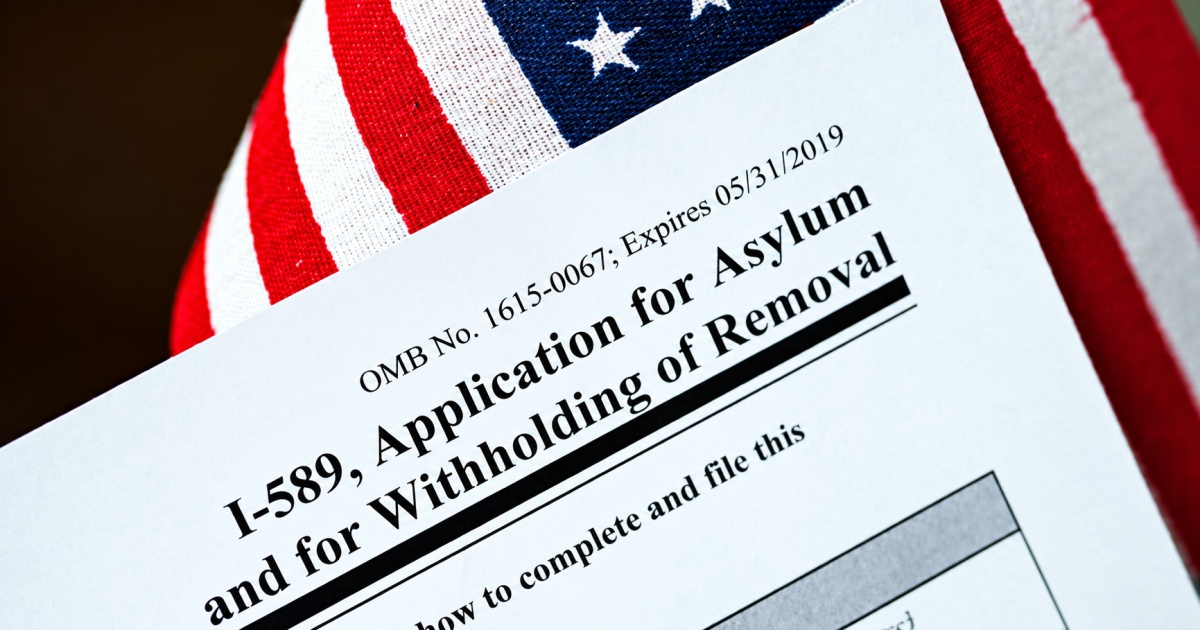
The precedent is also relevant for Cubans seeking asylum in the United States, especially when they need to correct previous statements or include important facts that were not included in their I-589 form.
The decision does not mean that any modification of a request will lead to its rejection. The evaluation must take into account the circumstances of the case, the nature of the changes, the explanations provided, and the available evidence.
However, it reinforces the importance of carefully reviewing the information before signing it, explaining substantial omissions, and gathering documentation that supports the alleged facts.
For those preparing a protection application, having appropriate legal advice during the asylum process can help identify inconsistencies and avoid omissions that may later prove difficult to justify before an immigration court.
Legal notice: this article provides general information and does not constitute legal advice. Immigration requirements and policies can change. To assess your specific situation, consult an authorized immigration attorney or a representative accredited by the United States Department of Justice.
Related videos:
Filed under: