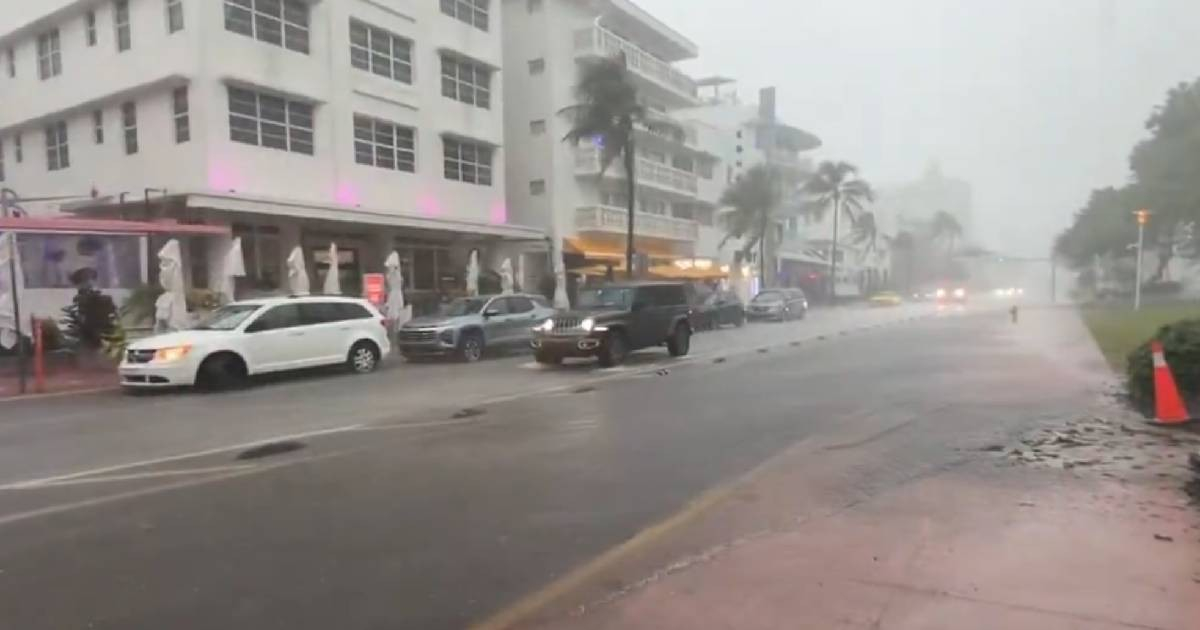
Sections of the SR 70 and US 441 highways in the city of Okeechobee and its surrounding areas became impassable this Sunday following flash floods caused by torrential rains, according to a flash flood warning from the National Weather Service (NWS) in Melbourne, Florida, in effect until 6:30 PM EST.
The information comes from a report by the local police, cited by the NWS in its official bulletin. Authorities confirmed that water was also entering structures in the affected area, located in the southeast of Okeechobee County.
The bulletin, issued at 5:05 PM EST, indicates that between 5 and 9 inches of rain had fallen in the warned area at the time of its release, with the possibility of up to an additional inch. The NWS classified the situation as a potentially deadly flash flood threat with the potential for significant damage.
The locations included in the warning area are Treasure Island, Okeechobee, Four Seasons Estates, Taylor Creek, Whispering Pines, Okeechobee Airport, and Basswood Estates.
The advisory covers exclusively the southeastern part of Okeechobee County, not the entire county or the state of Florida.
SR 70 is an east-west artery that connects the Gulf Coast with the Atlantic Coast, while US 441 is a north-south route that runs through Florida from Miami to the Georgia border. Both highways are heavily utilized regional routes for agricultural freight transport, tourism, and daily commutes between the interior and the coasts.
The NWS urges drivers to avoid those routes while flooding conditions persist and reminds them of its campaign "Turn Around, Don't Drown": most flood-related deaths occur inside vehicles.
This episode in Okeechobee is separate from the flood watch currently in effect for Miami-Dade, Broward, and Palm Beach that the NWS is maintaining this Sunday, with expected accumulations of up to seven inches in isolated areas of South Florida.
Unlike that monitoring, the Okeechobee warning is a more urgent alert based on impacts that have already been observed and confirmed by local police, rather than a forecast.
Okeechobee County, with its low-lying terrain and proximity to the lake of the same name, is particularly vulnerable to flash flooding in the fall, when the ground remains saturated after a wet summer and storms can release large volumes of water in a short time over areas with already compromised drainage.
The Melbourne NWS is also keeping a flood watch for Okeechobee and the Treasure Coast counties until 3:00 PM on Monday, November 2, so adverse conditions may extend beyond the expiration of the current advisory.
Related videos:
Filed under: