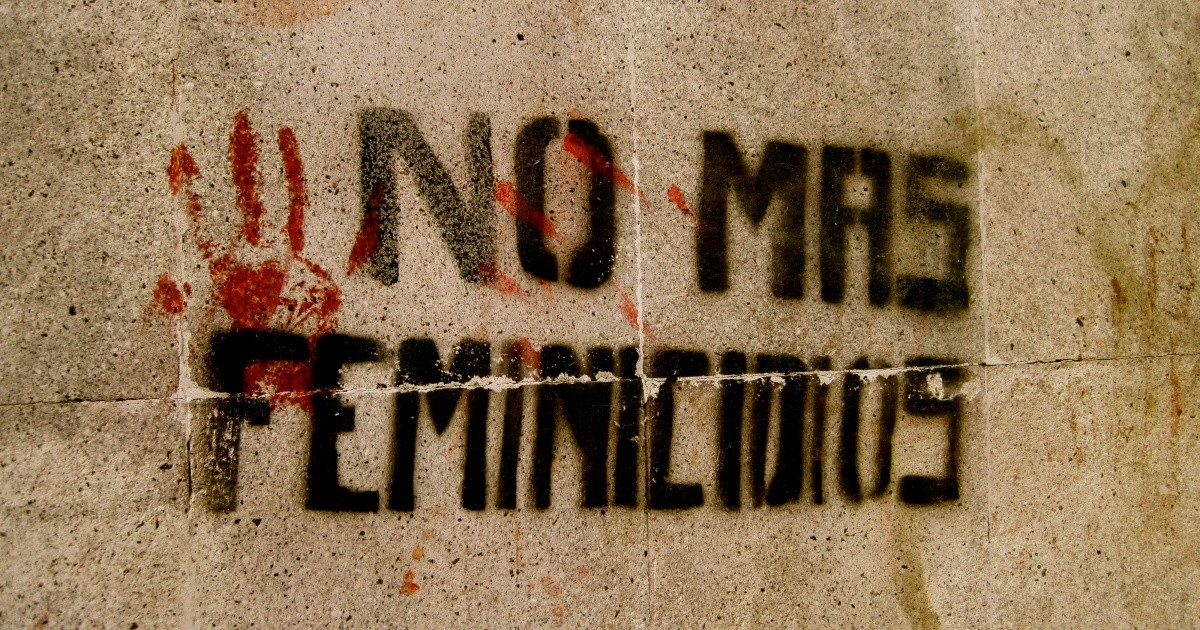
In the midst of a year that has already recorded 63 verified femicides, Cuban institutions, civil society organizations, and representatives of international cooperation gathered this Thursday in Havana to discuss strategies for prevention and response to violence against women on the island.
The meeting, held as part of the 16 Days of Activism Against Gender Violence, was convened by the No Más project: prevention and response to gender-based violence against women in Cuba, an initiative co-financed by the European Union, set to be implemented between 2024 and 2026.
Sonia Rivero López, second secretary of the Federation of Cuban Women (FMC), led the inaugural session and noted that the project "allows for the inclusion of all those who can contribute to the ongoing support of that segment of the population in light of the current challenges facing the nation."
The space opened with a panel titled "Reflection on the Role of Communication, Media, Art, and Adolescence in the Transformation of Social Norms Supporting Gender-Based Violence."
In that session, experiences related to the Media Observatory of the project were shared, which monitors the journalistic coverage of gender-based violence in the participating areas, as well as community artistic initiatives and the campaign "Ahí es," led by adolescents who took part in workshops on machismo violence.
The meeting also addressed the functioning of the FMC's Councils as territorial points of care, the coordination between institutions and local actors, and the work of the support networks for women in situations of violence.
The No Más project operates in six municipalities across four provinces: Plaza de la Revolución and Marianao in Havana; Bayamo in Granma; Las Tunas; and El Salvador and Guantánamo in the homonymous province, with an estimated reach of 11,400 people.
The participating organizations include the FMC, the Women’s Publishing House, the Italian organization COSPE, the Martin Luther King Memorial Center, the GALFISA group from the Institute of Philosophy, and the National Union of Jurists of Cuba.
The regulatory framework supporting these actions includes Presidential Decree 198/2021, which approved the National Program for the Advancement of Women, and Agreement 9231 from the Council of Ministers, which in December 2021 approved the comprehensive Strategy for the Prevention and Response to Gender-Based Violence.
The institutional debate contrasts with a reality documented by independent organizations. According to the Gender Observatory of Alas Tensas (OGAT), Cuba recorded 63 verified femicides as of November 10, 2026, in addition to 38 attempted femicides, a figure that already surpasses the 56 documented cases in all of 2024 and the 50 in 2025.
Between January and August, OGAT recorded 49 femicides compared to 34 during the same period last year, representing a year-on-year increase of 44.1%, equivalent to one crime of this nature every five days.
75.5% of the cases were perpetrated by current or former partners, 65.3% occurred in homes, and 53.1% of the victims had minors in their care.
The FMC recognized in August 2024 that more than 16,000 women and girls were facing situations of violence in Cuba, a figure that highlights the magnitude of the issue that Thursday's meeting aimed to address.
The Campaign for the 16 Days of Activism against Gender Violence will take place from November 25 to December 10, 2026, linking the International Day for the Elimination of Violence against Women with Human Rights Day.
Related videos:
Filed under: