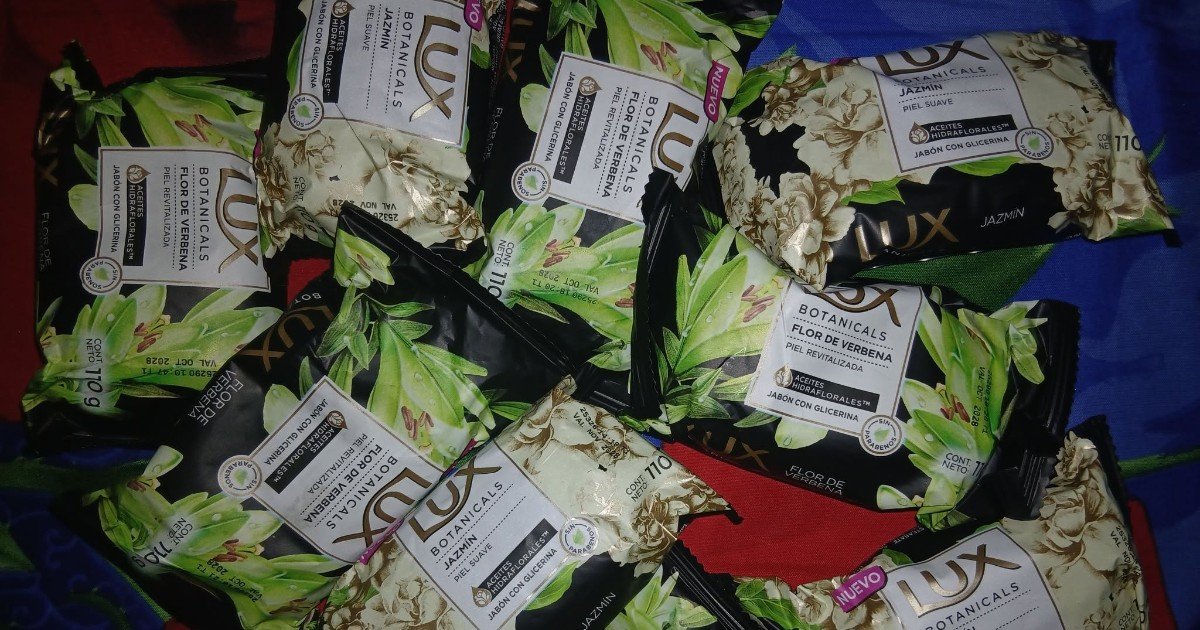
A Cuban identified as Yasnai Tamayo went viral on Facebook after humorously recounting how an apparently simple purchase —ten soaps at $1.20 each— turned into an expense of over 10,000 Cuban pesos at the informal exchange rate, highlighting the brutal loss of purchasing power.
"I went to a store, saw some soaps for 1.20 USD, really good by the way, and thought: I'll take 10! After all, what could happen?" this was said in his post on Wednesday. The realization came at the time of payment: converting the 12 dollars at the current unofficial exchange rate —between 940 and 943 Cuban pesos per dollar— the total came to over 10,000 Cuban pesos (CUP).
As her card "decided not to cooperate with such a financial operation," Yasnai called her husband to cover the payment. The reaction was immediate: "Yasnai! Did you spend more than 10,000 pesos on soap? You're not going out to buy anymore!"
The anecdote, shared through emojis and laughter, encapsulates a harsh reality that is no laughing matter: those 10 soaps are equivalent to more than three minimum monthly wages, set at 3,210 CUP since July 2026. The author herself summarized it bluntly: «Lesson: in Cuba it's no longer enough to just bathe, you need economic means to do so! This was not just a soap, it was a luxury item».
Users reported seeing soap priced at 800 pesos and "1,000 for the laundry soap" in AltaHabana, while others found it at 1,115 CUP. Recent data indicates that the price of a bar ranges between 600 and 800 CUP in provinces like Villa Clara, Matanzas, and Santiago de Cuba, with peaks of 1,000 CUP in some locations.
For decades, Nácar soap was priced at 0.25 Cuban pesos. This week, that same brand reached 750 CUP in Santa Clara, three times more than the 600 pesos recorded just days earlier.
Soap is not the only product that has become an unattainable good. A kilogram of detergent reached 2,800 CUP in Matanzas, and independent estimates suggest that a person needs around 96,000 CUP monthly to cover their basic needs, a figure that the official minimum wage barely approaches by 3%.
The dark humor with which Yasnai recounts her experience did not go unnoticed. "No one else in the world tells a joke based on their own misfortune like Cubans do," wrote one of her followers. "We know what it's like to laugh while wanting to cry. Cuba hurts, and it hurts deeply."
Related videos:
Filed under: