
Related videos:
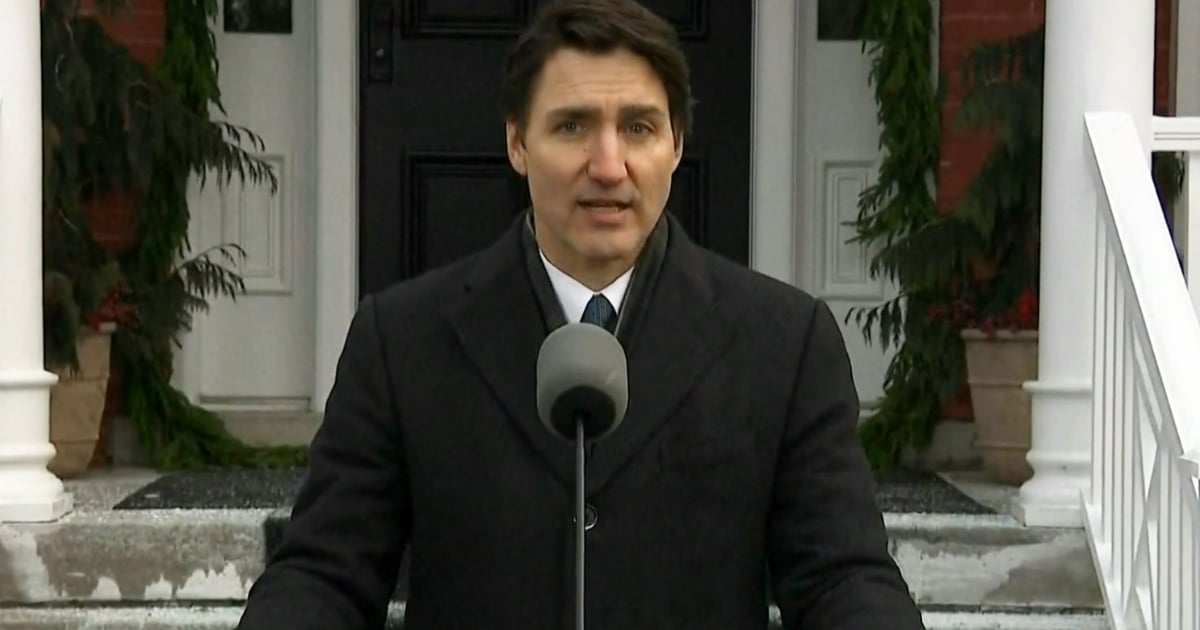
The Prime Minister of Canada, Justin Trudeau, announced a series of measures on Monday to strengthen border security and combat fentanyl trafficking, following a phone conversation with the President of the United States, Donald Trump.
Trudeau informed on his X profile that the government is implementing a border security plan worth 1.3 billion dollars, which includes new helicopters, advanced technology, more personnel, and improved coordination with U.S. authorities.
In addition, it was reported that nearly 10,000 personnel are already deployed and will continue to work on border protection.
As part of the new commitments made by Canada, the government will appoint a fentanyl czar, include cartels on the list of terrorist organizations, and ensure continuous surveillance at the border.
A joint strike force will also be established between Canada and the United States, focused on combating organized crime, fentanyl trafficking, and money laundering.
Trudeau signed a new intelligence directive on organized crime and fentanyl, backed by 200 million dollars, to strengthen the fight against drug trafficking.
The Canadian prime minister also confirmed that, following this agreement, the proposed tariffs by the U.S. will be suspended for at least 30 days, while both countries work on implementing these joint measures.
The statements from the Prime Minister of Canada come in response to pressure from the administration of Donald Trump, following the announcement of increased tariffs on Canada, Mexico, and China.
Previously, the President of the United States announced the imposition of a 25% tariff on imports from Mexico and Canada, and a 10% tariff on imports from China, starting February 1.
However, like Canada, Mexico also reached an agreement with the United States this Monday, in which it committed to strengthening border security.
In response to migratory pressure and threats of trade sanctions, the Mexican government has deployed 10,000 armed forces personnel at the border with its northern neighbor.
... News in development ..
Frequently Asked Questions about Canada's Measures Against Fentanyl and Trade Tensions with the U.S.
What measures has Canada announced to combat fentanyl trafficking?
Canada has announced a border security plan valued at $1.3 billion, which includes new helicopters, advanced technology, and additional personnel. Additionally, a fentanyl czar will be appointed and a joint task force with the United States will be created to combat organized crime and fentanyl trafficking.
How does Trump's tariff policy affect the trade relationship between the U.S. and Canada?
The imposition of tariffs by Trump could destabilize a trade relationship that amounts to 3.6 billion Canadian dollars daily in goods and services. These tariffs could trigger retaliatory measures from Canada and impact both countries economically.
What economic consequences could Trump's tariffs have on Canadian and Mexican oil?
The 10% tariff on Canadian oil and the 25% on Mexican oil could increase the production costs of fuels in the U.S., raising the price of gasoline. This will impact consumers and could generate inflation in the country.
What response has Canada given to Trump's threat of tariffs?
Canada has responded by labeling Trump's action as an "unjustified attack" and has announced the imposition of a 25% tariff on American products. This measure is a proportional response to the tariffs imposed by the United States.
Filed under: