
Related videos:
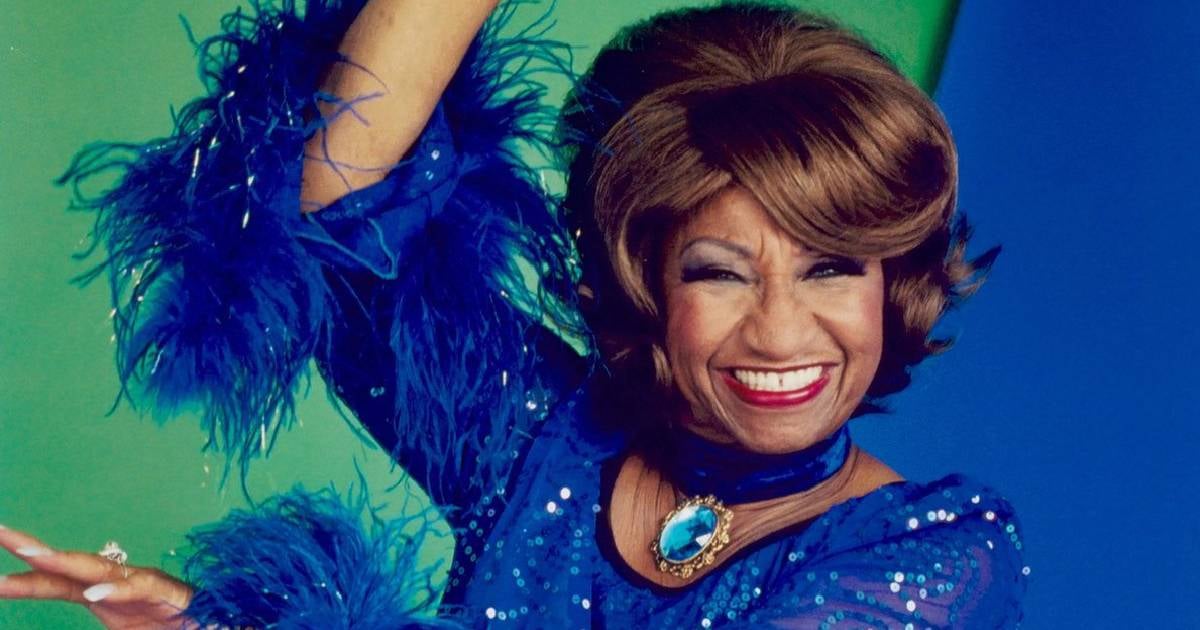
Censorship takes many forms, but few are as evident as imposed forgetfulness. In a recent article published by the newspaper Granma, the history of Sonora Matancera was rewritten without mentioning one of its most iconic voices: Celia Cruz.
A void that, far from being casual, is the result of more than six decades of official silence regarding the "Guarachera de Cuba," something that musical researcher Rosa Marquetti denounced on social media to expose this premeditated omission.
In his Facebook post, Marquetti emphatically highlights the contradiction of paying tribute to the Sonora Matancera without mentioning the voices that made it legendary.
"If they really wanted the new generations to know the legacy of La Sonora, they would have to start by telling them who their musicians were, and above all, their singers," he interjected.
More than 60 years after her exile, Celia Cruz remains a sensitive topic for the official Cuban discourse. Her departure from the island in 1960 and her strong stance against the regime made her a forbidden figure in state media.
The omission of his name in the article is not an oversight, but rather an extension of that censorship policy aimed at erasing his mark from the collective memory.
The irony is that, while Cuba denies her official recognition, the entire world celebrates the centenary of the singer. From New York to Miami, as well as in Spain and Latin America, tributes, exhibitions, and concerts have been organized in her honor.
"Such a level of absurdity is reached through the paths of censorship. Wake up and correct the mistakes, abandon the arrogance," wrote Marquetti.
The attempt to minimize her legacy is not only futile but also highlights the absurdity of censorship. Celia Cruz, who passed away in New Jersey on July 16, 2003, at the age of 77, does not require an article in Granma to be remembered; her voice lives on in every performance of "Quimbara" and "La vida es un carnaval," and her legacy is recognized worldwide.
Frequently Asked Questions about Celia Cruz's Legacy and Censorship in Cuba
Why did the newspaper Granma omit Celia Cruz in its article about La Sonora Matancera?
The newspaper Granma omitted Celia Cruz due to a censorship policy that the Cuban regime has maintained for over six decades. Celia Cruz is considered an uncomfortable figure for the official Cuban discourse due to her exile in 1960 and her critical stance against the socialist regime.
How is Celia Cruz's centennial celebrated globally?
The centennial of Celia Cruz is celebrated with tributes, exhibitions, and concerts in various parts of the world, from New York to Miami and Spain. The Museum of Art and Design at Miami Dade College opened an exhibition in her honor, highlighting her legacy and her connection with the Cuban community in Miami.
What recent recognition has Celia Cruz received in the United States?
Celia Cruz was recognized as the first Afrolatina woman to appear on a United States coin. This honor was awarded as part of the American Women Quarters 2024 program, highlighting her cultural impact and musical legacy.
What is the impact of Celia Cruz's musical legacy on the world?
The musical legacy of Celia Cruz is immense, having recorded over 50 albums and receiving more than 100 awards. Her music remains a symbol of Latin culture and her influence extends globally, inspiring both artists and audiences alike.
Filed under: