
Related videos:
The recent decision by the United States government to
However, according to energy expert Jorge Piñón, this measure could bring indirect benefits to Cuba, a country facing a severe fuel crisis.
Jorge Piñón, who is a principal researcher at the Energy Institute of the University of Texas at Austin, explained in statements to Martí Noticias that Chevron's exit will force Venezuela to seek new markets and increase the volume of exports to its strategic partners, including Cuba.
“For Venezuela to maintain this level of production, it must find new markets and increase sales volume to its partners, which are India, China, and Cuba, in order to, one way or another, compensate for the loss of Chevron's exports”, the expert noted.
Chevron, which operated in Venezuela through a 40/60 agreement with the state-owned Petróleos de Venezuela S.A. (PDVSA), was required to allocate 40% of its production to the U.S. market, while the remaining 60% corresponded to Venezuela.
With the withdrawal of the American company, the Maduro regime will be able to rely on the entire production, which could result in greater crude shipments to its political allies.
"We need to see now if they can maintain production at one million barrels per day. They were able to do it because Chevron's projects are 40/60, meaning 40% Chevron and 60% PDVSA. So, for every barrel Chevron produced, 40 were Chevron's, which they brought to the United States, and 60 were for Venezuela. Now, they (Venezuela) will be able to keep 100% of those profits, or that production," Piñón explained
A relief for the fuel crisis in Cuba
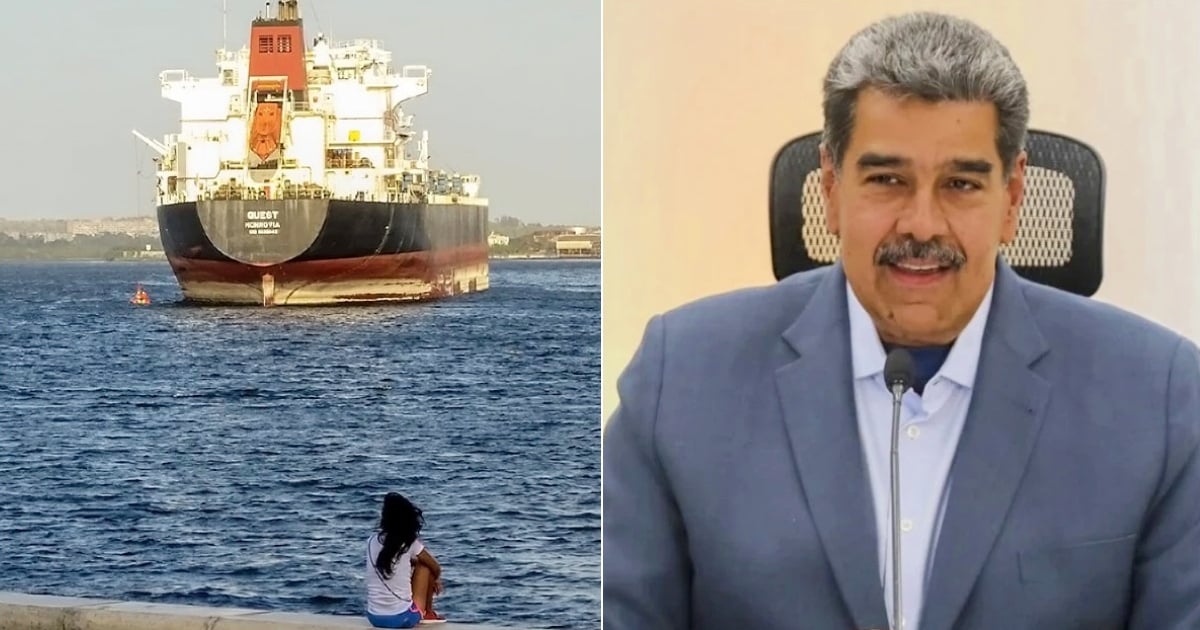
In recent years, Cuba has relied heavily on Venezuelan oil, with imports of approximately 55,000 barrels per day.
However, in 2024, the figure decreased to 25,000 barrels per day, which exacerbated the already critical energy situation on the island.
According to Piñón, the suspension of Chevron's license could allow Venezuela to restore crude oil shipments to Cuba to previous levels.
“The measure against Chevron will allow Venezuela to resume exports to Cuba of about those initial 55,000 barrels per day,” the expert emphasized.
In fact, the shipments of crude oil and fuel from Venezuela to Cuba saw a significant increase in February, reaching 42,000 barrels per day, according to vessel monitoring data from the agency Reuters.
Venezuela's oil production in 2023 averaged 921,000 barrels per day, according to the Organization of the Petroleum Exporting Countries (OPEC).
With Chevron's exit, Venezuela may attempt to maintain or even increase this production to meet its commitments to allied countries.
The barter agreement between Cuba and Venezuela
Cuba lacks the financial resources to purchase oil in international markets, which is why its relationship with Venezuela is based on a barter system.
The island provides professional services, primarily in the health and education sectors, in exchange for Venezuelan crude oil.
"Since this began, the agreement between Cuba and Venezuela has been a barter arrangement, where Cuba provides services to Venezuela and Venezuela pays for those services with oil. Cuba has never paid in cash," Piñón remembered.
Meanwhile, Chevron has until April 3 to cease its operations in Venezuela, according to the U.S. Department of the Treasury.
Frequently asked questions about the increase in Venezuela's oil supply to Cuba
Why Chevron's exit from Venezuela could benefit Cuba?
Chevron's exit will allow Venezuela to have 100% of its oil production, which could lead to an increase in crude exports to its allies, including Cuba. This could help ease the fuel crisis facing the island.
How does the energy crisis in Cuba affect its population?
The energy crisis in Cuba has resulted in widespread blackouts that severely impact the daily lives of citizens, causing discontent and social unrest. The fuel shortage has worsened the situation, limiting access to basic services.
What role does the barter system between Cuba and Venezuela play in the supply of crude oil?
Cuba and Venezuela maintain a barter system, where the island provides professional services, primarily in health and education, in exchange for Venezuelan oil. This agreement is crucial for Cuba to acquire crude without making cash payments.
What impact could the increase in Venezuelan crude oil exports have on Cuba's energy crisis?
The increase in Venezuelan crude oil exports could help Cuba restore its import levels to 55,000 barrels per day, which would partly alleviate the severe energy crisis facing the island. However, long-term solutions require significant investments in energy infrastructure.
Filed under: