
Related videos:
Businesses in South Florida are beginning to feel the effects of the new trade policy of President Donald Trump.
Starting this month, a base tariff of 10% on all imports has come into effect, a measure that is already causing tensions in sectors such as construction, retail, and logistics.
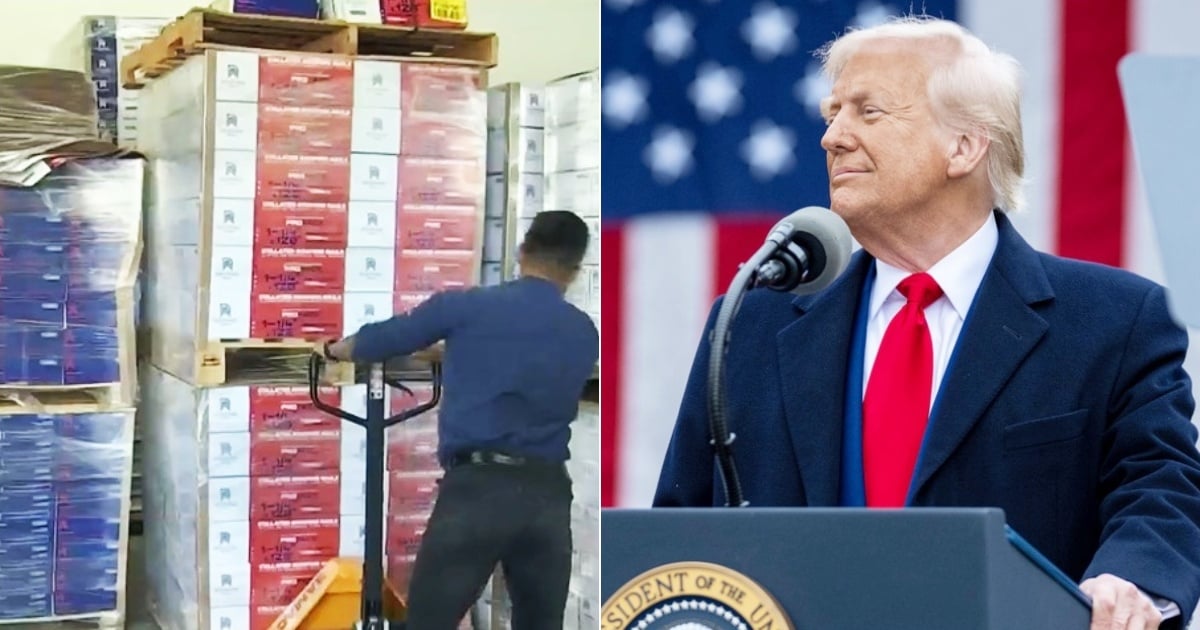
One of the affected individuals is Christian Bello, owner of the company Roofing Nation LLC, based in Hialeah Gardens. His testimony in statements to Telemundo 51 revealed the extent of the problem.
Bello expects a projected loss of 40% in his business in the short term and acknowledges that there is no way to avoid the increases.
"The companies that do the same... we all import from China", he stated after reviewing the costs of essential materials such as nails, asphalt sheets, and other construction supplies.
The businessman, however, believes that it is still more profitable to continue buying from them than to create a company that would produce the products in the United States. "It's very expensive here. That's the reality... it's still very expensive," he commented with resignation.
The worst part is that tariffs on China have escalated in the past few hours to 104%, as announced by President Trump, making the calculations even more complicated.
China: a key supplier for Florida
According to a report from the Port of Miami, published in 2024 with data from 2023, China is the primary source of products imported to South Florida, with a volume reaching $4.5 billion
This makes the Asian country a key trading partner for numerous local businesses that are now facing an uncertain environment.
The impact is not limited to a single sector, as economist Daniel Di Martino warns, who analyzes the effects of this policy from a macroeconomic perspective:
"These are not tariffs on just one product but on all. They will cost more, and consumers will have less money. In the end, the economy will shrink.", he explained.
Concerns in Washington
From the U.S. capital, the new Secretary of the Treasury, Scott Bessent, tried to allay recession fears over the weekend by asserting that "there doesn't have to be a recession."
However, the nervousness remains among businesspeople, analysts, and consumers.
White House officials confirmed that around 70 countries have requested to renegotiate trade terms, indicating the extent of the international impact of this measure.
Resistance in the Midst of the Storm
Meanwhile, entrepreneurs like Christian Bello are trying to endure.
"I have six months to endure the hardships of this economic policy", he says.
But the horizon is complex. Sustained increases in prices, reliance on international suppliers, and the difficulty of local manufacturing present a structural challenge for small and medium-sized enterprises in South Florida.
The new commercial landscape not only jeopardizes businesses that rely on cheap imports but also raises questions about the future of the U.S. economy.
Frequently Asked Questions about Trump's Tariffs and Their Impact on South Florida
How do Trump's new tariffs affect businesses in South Florida?
The new tariffs from Trump significantly impact businesses in South Florida, particularly in sectors such as construction, retail, and logistics. Entrepreneurs like Christian Bello, owner of Roofing Nation LLC, have projected losses of 40% due to the rise in costs of imported materials from China, such as nails and asphalt shingles. The reliance on foreign supplies and the inability to produce locally at competitive prices further complicate the situation.
What is the macroeconomic impact of tariffs in the United States?
According to economist Daniel Di Martino, tariffs will lead to a price increase on all products, reducing consumers' purchasing power and contracting the economy. Experts estimate that the average household could spend between $1,000 and $2,000 more per year due to these tariffs. In macroeconomic terms, this could result in a GDP reduction of 0.8%, severely impacting the U.S. economy.
How has China responded to Trump's tariff policies?
China has responded with a 34% tariff on U.S. imports and has raised its rates to 84% in retaliation for the new 104% tariff imposed by Trump. These measures also include restrictions on strategic exports and sanctions on U.S. companies, escalating tensions in the trade war and impacting global supply chains.
Which sectors will be most affected by the tariffs?
The sectors most affected by the tariffs are consumer electronics, computer equipment, household appliances, clothing and footwear, furniture, toys, auto parts, and plastic products. These cost increases directly impact consumers, who will face higher prices on a wide range of essential products.
Filed under: