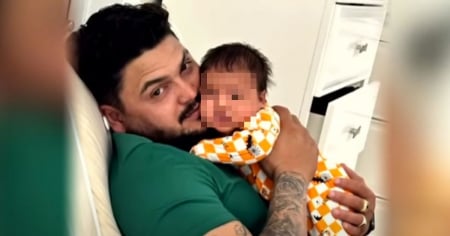
A Cuban couple living in the United States has caused a stir on TikTok after posting a video in which they describe how they were treated by their relatives shortly after emigrating. The testimony, shared on the account @fanylachyysubanda, has received an avalanche of reactions from other Cubans who claim to have experienced similar situations.
In the video, the woman questions why many emigrants who have been in the U.S. for a while mistreat or impose strict conditions on newly arrived family members. "I shouldn't have to go through the same hardships you did when you arrived," she stated, clarifying that while there are people who come “looking for an easy life,” there are also those who arrive with the desire to work and succeed. The creator, identified as Fany, emphasized: “I would like to know if there is anyone else who has experienced this,” opening the door to a wave of testimonials.
On his part, the man requested to stop what he considered a “tradition” of mistreatment towards new migrants. “When a family member comes from Cuba, don’t let them suffer; help them if they are not a freeloader,” he expressed. Both of them recounted that they only stayed for a month at their relatives’ house, during which they cooked, cleaned, did gardening, and went out looking for jobs from the very first week. “Even our daughters were mistreated, and we behaved ourselves completely,” they commented. They also mentioned that they had brought their own shampoo from Cuba and paid for their phones, so as not to depend on anyone.
The reactions were immediate. Many users shared similar experiences: from those who were expelled for not following the rules, to others who helped and were still mistreated. “We were told to stay until the papers were ready, but they treated us as if we were stealing air,” lamented Fany and Lachy in response to a comment. One user wrote: “What hurts the most is that you arrive with respect and gratitude, and they treat you as if you are a nuisance.”
However, there were also voices defending the hosts. Some pointed out that "in someone else's house, the rules are followed" and that many newcomers do not contribute, take advantage of resources, and want to live without giving back. This counterpoint made it clear that the migration conflict has more than one side. In response, the couple said, "We do follow the rules, we help, and we never complain. We exit through the door, not through the window."
Beyond the debate, the discussion highlighted a rift within the Cuban community abroad: the clash between generations of migrants, with their stories of sacrifice confronting new realities and expectations. The fear of abuse, lack of empathy, and economic tension fuel a dynamic that ultimately fractures family ties. “It's not about what I can be given, it's about not being humiliated if I'm doing what's right,” Fany added in one of the most responded-to comments.
Fany and Lachy concluded their message with a call for respect and humane treatment, reminding everyone that not all migration experiences are the same. “I will always be grateful, but I want them far away because what we lived through was too much,” wrote Fany, insisting that her family tried to appear generous but ended up being cruel. “We never said a word against them; we simply walked away and forged our own path.” Her video has become a space for collective catharsis where hundreds have shared their truths, in a conversation that continues to grow.
Frequently Asked Questions about Cuban Migration Experiences and Family Conflicts
What are the main complaints of Cubans newly arrived in the United States about their relatives who already reside there?
Newly arrived Cubans in the United States complain about receiving mistreatment and strict conditions from their relatives who already reside in the country. Many feel humiliated or that they are subjected to unfair conditions, despite their willingness to work and adapt to their new life. These conflicts reflect generational tensions and differing expectations regarding cohabitation and mutual assistance.
Why is there tension between Cubans in the U.S. and their relatives in Cuba?
Tensions arise mainly because migrants feel that their economic efforts are not appreciated and their family members in Cuba have unrealistic expectations about their life abroad. The perception that migrants are "ATMs" creates frustration, as many face their own challenges in adapting and thriving in a new environment.
What challenges do newly arrived Cubans face in the United States?
Newly arrived Cubans face high living costs, the need to quickly find employment, and the challenge of adapting to a new social and economic system. Depending on the initial support from family or friends, these expectations of collaboration can create tensions if they are unable to stabilize themselves financially soon. This is exacerbated when there are misunderstandings about the expected contributions in the host household.
How does emigration affect family dynamics among Cubans in the U.S. and in Cuba?
Emigration introduces economic and emotional pressures in family relationships. Emigrants must balance their own adaptation challenges with the demands and expectations of their relatives in Cuba, which can lead to misunderstandings and resentments. Differences in expectations and the perception that emigrants have the obligation to support their families on the island are common sources of conflict.
Filed under: