
Related videos:
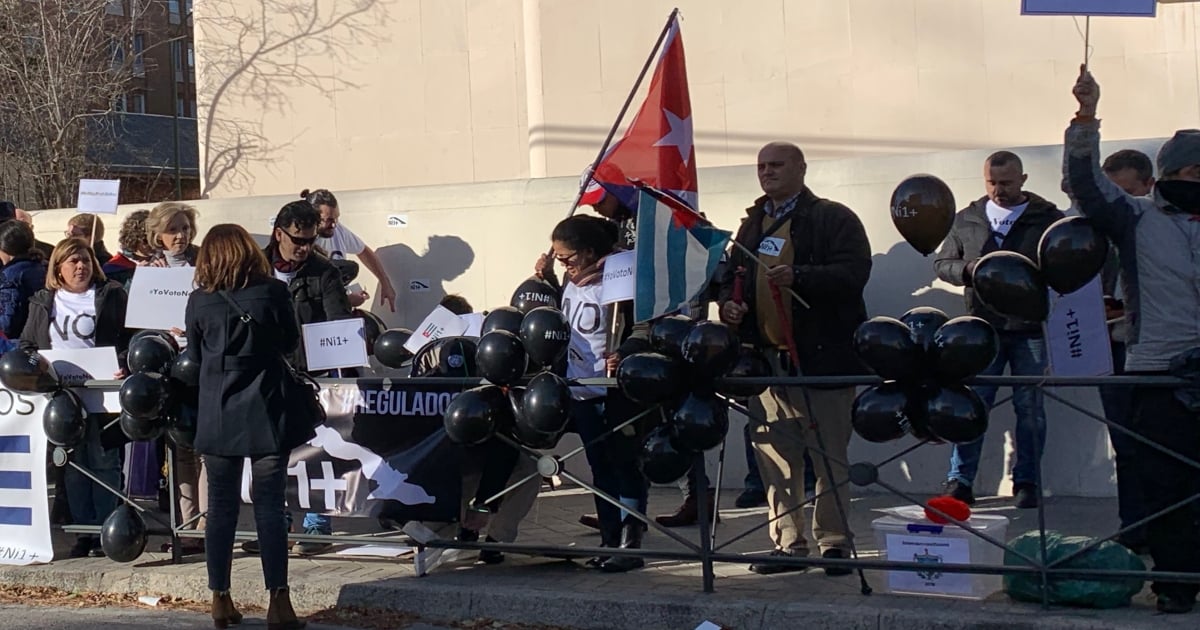
The government of Spain has granted political asylum to only 36 Cubans so far in 2025, while 152 applications have been rejected between January and August 31, according to official data revealed this week.
The figures reflect a pattern of tightening in the asylum policy, especially after the reform of the Foreign Nationals Regulation that came into effect on May 20 and further complicates the situation of those whose asylum applications are denied.
In total, Spain has denied 43,497 asylum applications so far this year and has only approved 4,879. The nationalities with the highest number of approvals have been Colombia (839) and Nicaragua (805), while Cubans continue to be one of the most rejected groups.
This is despite the fact that the European nation holds the second position among the world's receiving countries for Cuban citizens, behind only the United States, which hosts more than 80%.
The immigration regulations from last May represented an additional setback for asylum seekers, as the time a person has spent in Spain waiting for an asylum response will not count towards obtaining residency permission due to arraigo.
This means that, once their request is denied, the Cubans will have to live in an irregular situation for at least two years before they can begin procedures to regularize their status through other means.
The only temporary relief will be a transitory pathway of one year that will allow individuals with a firm denial prior to May 20 to apply for regularization after six months in an irregular situation.
This option will be available until May 2026, as confirmed by the Ministry of Inclusion, Social Security and Migration.
Although Spain has five types of roots —social, labor, educational, family, and second chance— all of them require extended periods of residence or complex ties to demonstrate, leaving many Cuban migrants in a state of legal vulnerability.
In 2024, more than 1,100 Cubans applied for asylum in Spain between January and August, a number that had already been on the rise since 2022. However, the approval rate remains exceedingly low.
A report from the Spanish Commission for Refugee Assistance (CEAR) revealed that in 2023, 3,082 applications from Cubans were submitted, compared to 1,392 in 2022. However, only 30 individuals were recognized as refugees, while 777 applications were rejected and 350 were archived.
The Spanish government claims that Cubans emigrate for economic reasons, without officially acknowledging that they are people fleeing from a dictatorship or political persecution. This stance significantly reduces the chances of obtaining international protection.
In a context where political repression in Cuba is intensifying and the exodus continues to grow, the asylum figures in Spain highlight a lack of acknowledgment of the Cuban reality and leave thousands of migrants in a legal limbo, with no clear options to regularize their situation.
Frequently Asked Questions about Political Asylum for Cubans in Spain
How many Cubans have received political asylum in Spain in 2025?
Only 36 Cubans have received political asylum in Spain in 2025, while 152 applications were rejected between January and August of the same year.
How does the new immigration regulation affect Cubans seeking asylum in Spain?
The new immigration regulations in Spain prevent the waiting time for an asylum resolution from counting towards obtaining a residence permit for social ties. This means that Cubans with denied applications must live in an irregular situation for at least two years before starting the process to regularize their status.
Why are so many asylum applications from Cubans rejected in Spain?
The Spanish government claims that Cubans emigrate for economic reasons, without officially acknowledging that they are fleeing from a dictatorship or political persecution. This stance significantly diminishes the chances of obtaining international protection.
What options do Cubans have after a denial of asylum in Spain?
There are five types of residency that allow Cubans to regularize their situation: social, labor-related, educational, family, and second chance, although all of them involve long periods of residence or complex ties to demonstrate.
Filed under: