
Related videos:
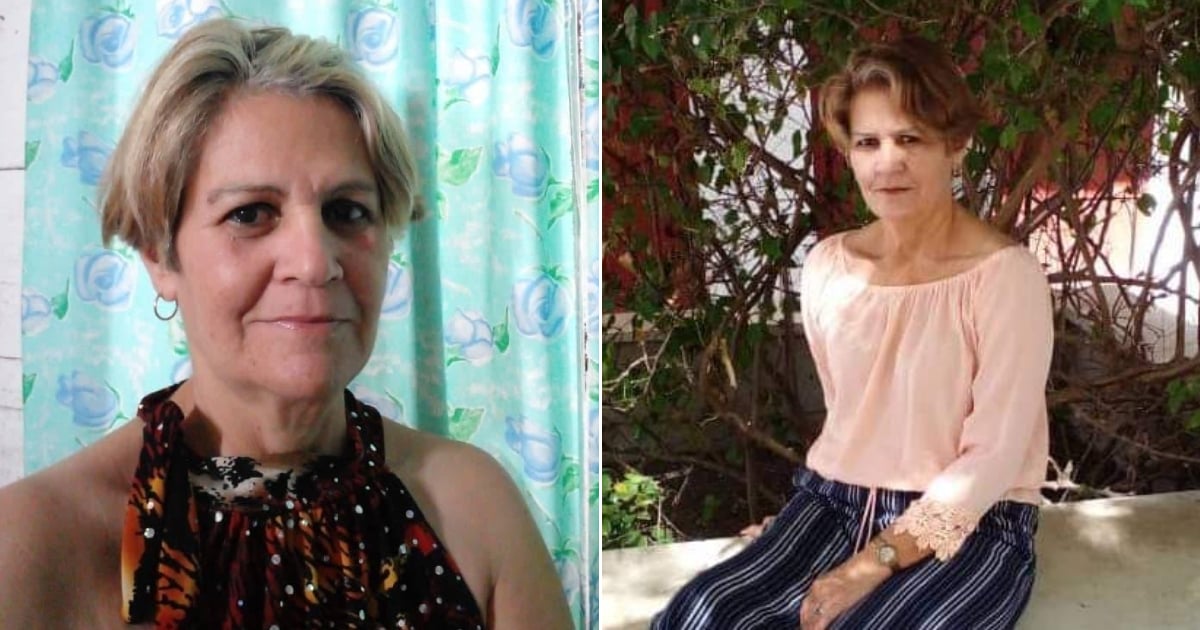
The municipality of Cifuentes, in the province of Villa Clara, is in mourning for the passing of Adelaida Yanes, who lost her life the day before due to hemorrhagic dengue, as confirmed by sources close to the family.
The passing of Yanes, a beloved 63-year-old mother in her community, was announced through a post in the Facebook group Revolico Cifuentes, where family and friends confirmed the sad news.
The incident has caused deep distress among family members, friends, colleagues, neighbors, and residents of Cifuentes. In the post, many people have left hundreds of messages expressing their sorrow and conveying condolences to the family.
Several of those who knew her highlighted her nobility, kindness, and other virtues that earned her the esteem and affection of many. Yanes is survived by her husband and children.
The death of this Cuban mother occurs in a critical healthcare and epidemiological context in the country, due to the simultaneous onslaught of three viral diseases: dengue, chikungunya, and Oropouche fever, in addition to seasonal viruses, and the concerning rise in severe cases in several provinces.
Just a few days ago, the death of a young person in the city of Cárdenas, in Matanzas, was confirmed, also due to hemorrhagic dengue, which led to alarm and outrage among the population over the silence of the Public Health authorities.
The western province has faced a surge in dengue and other infectious diseases in recent weeks, which has led to the collapse of hospitals and heightened fears among the residents.
Despite citizen alerts on social media regarding the rise in infections and the deaths of several individuals, mainly in that province, institutional silence prevailed for weeks. Later, health authorities downplayed the epidemiological situation and denied that there were any deaths from arboviral infections in the country.
But the official silence was broken today -albeit only partially- when the Ministry of Public Health (MINSAP) reported the death of three individuals due to dengue so far in 2025, marking the government's first acknowledgment of fatalities from arboviruses this year.
The revelation was made by the Deputy Minister of Public Health, Dr. Carilda Peña García, to officials of the Cuban press, but without providing information on the ages and genders, the provinces, and the clinical conditions of the deceased, which keeps the veil of secrecy regarding the management of the crisis.
According to the official, the three deaths from dengue were confirmed through necropsy studies and prior clinical diagnosis.
In Cuba, there are currently three active arboviruses: dengue, chikungunya, and Oropouche fever, said the deputy minister.
"The main evidence of severe or critical cases is associated with dengue,” he stated; however, he did not disclose the number of patients in those conditions.
He reported that dengue is now present in 12 provinces, while chikungunya is being transmitted in eight. He noted that the first cases of this latest arbovirus were detected in July, in the popular council España Republicana, in the municipality of Perico, in Matanzas, but it has already spread to other provinces.
According to Peña, the Oropouche is in a descending phase, but he warned about the circulation of seasonal respiratory viruses and outbreaks of hepatitis A in closed populations, although he did not provide further details.
The deputy minister urged citizens to immediately visit a health center upon experiencing fever symptoms. However, according to reports from affected individuals in various regions, accessing medical care is challenging due to long wait times, a lack of reagents for clinical tests, and overcrowding in hospitals, which prevents all patients in need from being admitted.
Frequently Asked Questions about the Dengue Crisis in Cuba
What is the current situation of dengue in Cuba?
Cuba faces an epidemiological crisis with the circulation of three arboviral diseases: dengue, chikungunya, and Oropouche fever. Dengue is present in 12 provinces, and recent deaths from this disease have been confirmed. The situation is critical due to a lack of medical resources and hospital overcrowding.
What measures are the Cuban authorities taking in response to dengue?
The authorities have opted for home care for patients without comorbidities and have prioritized fumigation in areas with evidence of transmission. However, the lack of insecticides and personnel limits the effectiveness of these measures, and many patients have reported a lack of adequate medical attention.
Why is there criticism of the Cuban government's handling of dengue?
The Cuban government has been criticized for its lack of transparency and for downplaying the seriousness of the situation. Despite deaths and the rising number of cases, authorities were slow to officially acknowledge the fatalities, which has led to distrust and frustration among the population.
How can citizens protect themselves from dengue in Cuba?
To protect against dengue, it is crucial to avoid mosquito bites. It is recommended to use repellent, wear long-sleeved clothing, and ensure that there is no standing water in containers that could serve as breeding sites for mosquitoes. In case of any fever symptoms, one should see a doctor, although long wait times and the lack of reagents complicate medical care.
Filed under: