
Related videos:
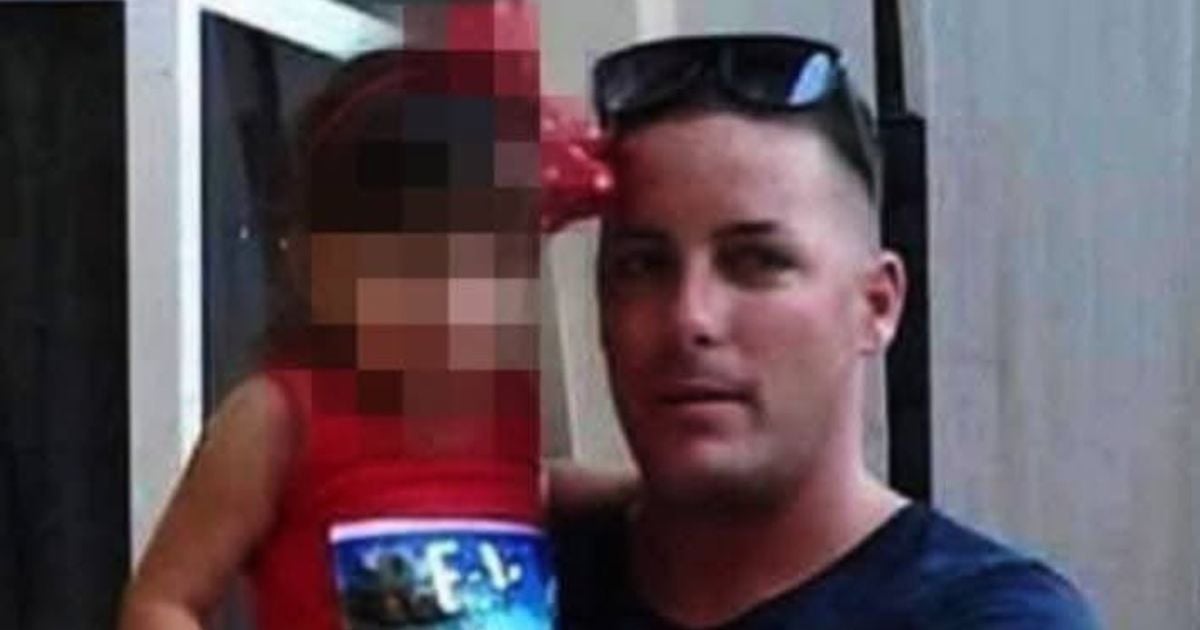
The city of Cárdenas, in the province of Matanzas, is experiencing a new day of mourning and outrage following the death of Yuniel, a young Cuban who lost his life to hemorrhagic dengue, a disease that is spreading rapidly in various areas of the country amid an increasingly precarious health situation and the regime's silence, which claims there are no fatalities from this illness.
The news was confirmed this Sunday by communicator Christian Arbolaez, who shared it on his profile along with an emotional message that described Yuniel as a strong, hardworking young man full of dreams and cherished by his community.
According to accounts from neighbors, Yuniel began to show symptoms such as high fever, intense body pain, and general malaise.
He was transferred to the Julio Miguel Aristegui Villamil Hospital, but the virus progressed rapidly and aggressively.
In the evening, his heart stopped, causing deep shock among family and friends.
The rise of vector-borne diseases such as hemorrhagic dengue, chikungunya, and oropouche has caused growing alarm among the population.
In the neighborhoods of Cárdenas, a phrase that captures the collective sentiment is repeated: “This has gotten out of control,” emphasized Arbolaez.
Neighbors report that the lack of fumigation, water drainage issues, accumulated garbage, and the deterioration of sanitary conditions have turned every puddle into a breeding ground for mosquitoes and every home into a resource-deprived trench.
The death of Yuniel has given a face to a crisis that many feel is imminent.
"It was not a statistic," wrote Arbolaez, who added: "He was a son, a friend, a companion, a father."
His passing not only leaves a void in his surroundings but also an open wound in a community that feels abandoned and without answers.
Today Cárdenas cries. He cries for Yuniel, for his family, for his children.
He cries for every life extinguished unnecessarily, for a city that screams for help, for a country where solutions arrive late and pain accumulates in silence, denounced the communicator, one of the most active voices in defending the culture and the people of Cárdenas.
The outpouring of emotion on social media has been intense, with dozens of messages reflecting the sadness, anger, and sense of loss left by Yuniel's death. Several family members and close friends shared their farewell words and called for accountability.
Sylce Alfonso, the young man's cousin, wrote with sorrow: “He was my cousin. We feel a great deal of pain and helplessness. Words cannot express everything we feel with this loss.”
Maria Del Carmen Lamas expressed: “Our beloved Yuni, a member of our family who leaves us when he had a whole world ahead of him. What sadness you have left in your family and friends. You were a young man with many dreams, and they were denied to you by an illness that could have been prevented if it weren’t for the total neglect present all over Cuba. I hope your grandmother Zena, whom you loved so much, can endure this cruel blow. Rest in peace, beautiful boy.”
Amarys Fernández, a friend of the young man, wrote: “But dear God, I can’t believe it Yuniel… What a shocking news… It has caused me so much pain in my soul… I know him… I am at a loss for words.”
Aristides Rodríguez, a resident of Camarioca, said: “A special person. I couldn't believe it when I heard. Everyone in Boca de Camarioca felt his passing.”
Other users expressed their outrage at the management of the health situation in the country.
Karen Liz harshly criticized the authorities: “The shameless public health director is still going to say that there are no fatalities… Of course there aren’t, because none of them belong to her family. Stop trying to hide things; there have been several cases and they do nothing. Is Díaz-Canel giving them a package of chicken for allowing people to die?”
Isabel Rodríguez added: "What a barbarity. The government in Cuba is killing the population. It's very painful what is happening. A young person full of life. Now there are no doctors, no medications, and no shame."
María del Carmen Valdés Cabrera wrote: “How sad. Meanwhile, the Ministry of Public Health claims there are no deaths and that everything is under control. A bunch of shameless people, living well, indifferent... How horrifying.”
Rubi Roque also left her message: “Now, Dr. Durán, Minister of Public Health… According to you, everything is under control, there are no fatalities. So, what is this? Respect the people and the Cuban families!”
These comments reflect not only the grief over Yuniel's loss but also the accumulated frustration regarding a situation that many feel is unsustainable. A tragedy that has struck the heart of a community and, according to those who knew him, should never have happened.
The tragedy that shook Cárdenas with the death of Yuniel occurs amidst an increasingly deteriorating health situation in Matanzas.
Although the authorities have tried to convey a sense of normalcy with activities such as the celebration of Culture Week, the reality is that the province is facing a surge in dengue, fever, and other infectious diseases that are overwhelming hospitals and causing alarm among the population.
The health authorities of the province themselves acknowledged that the levels of infestation of the Aedes aegypti mosquito are alarming in several municipalities, including Cárdenas, where the epidemiological situation has been classified as high risk.
As part of the emergency measures, the government mobilized 2,500 medical sciences students to support vector control efforts, an action that highlights the lack of available professional personnel to address the crisis.
The collapse of the healthcare system has been subject to criticism even from official spaces. A journalist from Matanzas expressed harsh words against hospital conditions and the lack of state response, deeming it unacceptable to whitewash the reality while the population suffers and dies without proper care.
Improvisation in response to the influx of patients has even led the government to facilitate a children's hospital to admit adults with fever, a desperate measure that confirms the saturation of traditional medical facilities and the lack of foresight regarding predictable outbreaks due to environmental and structural conditions.
Frequently Asked Questions about the Health Crisis and Dengue Hemorrhagic Fever in Cuba
What is causing the health crisis in Cárdenas, Cuba?
The health crisis in Cárdenas is mainly caused by the rise of mosquito-borne diseases, such as hemorrhagic dengue, chikungunya, and possibly the Oropouche virus. The situation worsens due to a lack of fumigation, accumulation of garbage, and deterioration of sanitary conditions, which has turned the area into a hotspot for infection.
What is hemorrhagic dengue and how does it affect the population?
Dengue hemorrhagic fever is a severe form of dengue that can cause internal bleeding, a decrease in platelets, and, in critical cases, death. In Cuba, the lack of medical resources and the deterioration of the healthcare system hinder proper diagnosis and treatment, increasing the risk for the affected population.
Why doesn't the Cuban government recognize the severity of the epidemiological situation?
The Cuban government avoids publicly acknowledging the severity of the epidemiological situation to avoid admitting a failure in managing the health crisis. Despite citizens' complaints and reports of a healthcare collapse, authorities continue to downplay the outbreaks and refuse to recognize deaths directly related to these diseases.
How is the dengue crisis affecting the daily lives of Cubans?
The dengue crisis is severely impacting the daily lives of Cubans, forcing many families to care for multiple sick individuals at the same time while facing a shortage of basic medicines. Power outages, lack of drinking water, and the accumulation of garbage further exacerbate the situation, turning everyday life into a constant struggle against unsanitary conditions.
Filed under: