
Related videos:
Cubadebate became the target of criticism on social media again after publishing an invitation to download four books about Fidel Castro for free on the official site Fidel Soldado de las Ideas.
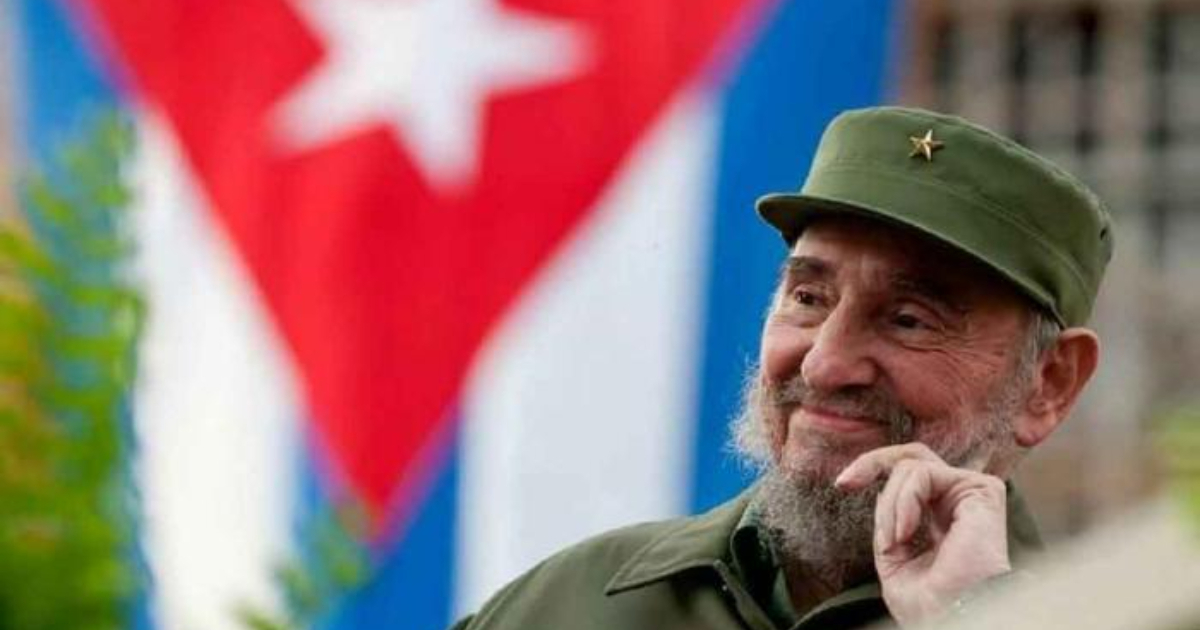
The post, shared on Facebook alongside an illustration of the former leader, states that “much has been written about the life, thought, and revolutionary work of the leader of the Cuban Revolution, Fidel Castro Ruz” and invites readers to “return to our archive to download a selection of books about Fidel for free.”
The post generated reactions on social media, with dozens of comments filled with irony, anger, and sarcasm. Users questioned the regime's disconnection from the reality of the country, while others mocked the promotion of texts about Fidel amid the economic crisis, hunger, and blackouts.
“if they are going to give something away for free, let it be food; nobody wants those ridiculous ideas, not even for free,” wrote one person. Another sarcastically remarked, “As soon as they give me the three hours of electricity I’m entitled to from the ration book, I’ll charge them.” A third commenter noted, “There are books that are worth reading: philosophy, economics, science… but reading the one who sank the country, now that’s true horror fiction.” Messages like “Has anything been written about the destruction of Cuba?” “No thanks, shove it where the sun doesn’t shine” or “We’re fed up with misfortunes, wipe yourselves with that” were also seen.
The overall tone was one of rejection and mockery towards the publication, with very few favorable comments. Internet users pointed out that while the population faces basic shortages, official media continue to exalt Fidel Castro instead of addressing the real problems of the country.
The invitation from Cubadebate adds to a series of recent actions that reflect a sustained effort by the Cuban regime to revive the cult of the figure of the deceased leader in anticipation of the centenary of his birth in 2026. In recent weeks, there have been events, publications, and propaganda campaigns in his honor.
The regime has once again utilized children and adolescents in political ceremonies, such as the pilgrimage organized in Santiago de Cuba to the Santa Ifigenia cemetery, where minors carried portraits of Fidel Castro and national flags. In other instances, schools and children's circles in Moa and Camagüey held similar tributes with slogans and flowers, while the official press described these activities as expressions of “revolutionary fervor.”
This is joined by symbolic acts such as the donation of mattresses in a hospital in Santiago “in the context of Fidel Castro's centenary” and poetry contests promoted by Cubadebate to pay tribute, as happened when the outlet launched a contest in honor of the former leader. In another publication, Cubadebate called to “turn to the horse, to the genius” of Fidel to solve the national crisis, a phrase that once again sparked a wave of mockery and criticism on social media.
The pattern repeats itself: while Cuba faces blackouts, inflation, shortages, and an unprecedented exodus, state media insists on presenting Fidel Castro as a symbol of inspiration. In contrast, social networks reflect a growing social fatigue. Reactions to the invitation from Cubadebate confirm that the figure of the dictator, far from uniting or inspiring, has become for the majority of Cubans a reminder of the origins of the crisis that suffocates them today.
Filed under: