
Related videos:
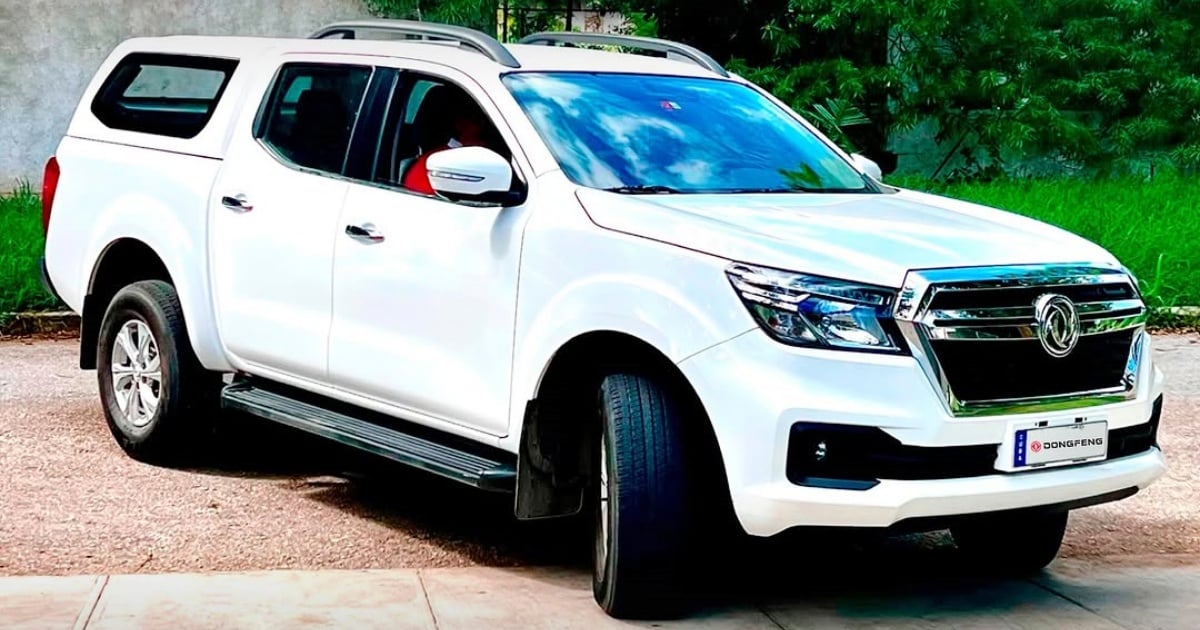
The Chinese state-owned company Dongfeng Motor Corporation has unveiled the catalog of cars available for sale in Cuba this year.
The prices of Dongfeng cars in Cuba for 2025 range between 15,900 euros (approximately 21,010 dollars) and 34,100 euros (around 37,510 dollars).
The 18 types of vehicles for sale include eight gasoline-powered, six electric, two diesel, and two hybrid.
The payment method is by international transfer.
Below is the price in euros and dollars of the largest Dongfeng vehicles for sale in Cuba:
Pick-Up RICH6: €24,900 (approximately $27,390).
Pick-Up RICH6 with Carryboy: €25,900 (approximately $28,490).
Huge Hybrid: €28,900 (about $31,790).
Hybrid Mage: €24,900 (approximately $27,390).
BOX 01 EV (330 km): €19,900 (approximately $21,890).
BOX 01 EV (430 km): €21,900 (approximately $24,090).
SKY 01 EV: €25,900 (approximately $28,490).
Panel M5 EV: €33,100 (approximately $36,410).
Microbus M5 EV: €34,100 (approximately $37,510).
Microbus M5: €20,100 (approximately 22,110 dollars).
M5 Loading Panel: €19,100 (approximately $21,010).
Panel K33 Charge: €29,900 (approximately $32,890).
Microbus K33: €30,900 (about $33,990).
The Dongfeng office is located on the fourth floor of the Miramar Residential Real Estate building, at 7th Avenue corner with 20, in the Playa municipality of Havana.
Origin and evolution of Dongfeng
Founded in 1969 in the Chinese city of Wuhan - the same place where COVID-19 originated - Dongfeng initially focused on the production of commercial vehicles, including trucks and buses, to meet the industrial and military needs of China.
With time, it expanded its product line to include passenger cars and spare parts, establishing itself as one of the leading automobile manufacturers in the Asian giant.
In the 1990s, Dongfeng began a series of joint ventures with international automotive manufacturers to gain access to advanced technologies and expand its market presence.
Among these alliances, those established with Nissan, Honda, and Peugeot-Citroën stand out, allowing the company to diversify its offerings and enhance the quality of its vehicles.
Dongfeng has expanded its presence beyond Chinese borders, entering international markets, including Latin America.
Presence in Cuba
Dongfeng Motor Corporation has established a significant presence in Cuba, mainly through the incorporation of its vehicles in the car rental sector.
Models such as the Dongfeng Aeolus Yixuan C65 are available for tourist rental at various agencies across the country, including RentCubaCar and Holiplus.
These vehicles are offered in the mid-size car category with automatic transmission, seating for four passengers, and features like air conditioning.
They are available at rental points, including international airports and offices in cities such as Havana, Varadero, and Santiago de Cuba.
The inclusion of Dongfeng cars in Cuban rental fleets reflects the growing collaboration between China and Cuba in the automotive sector.
In addition to Dongfeng, the German Mercedes Benz and the Italian Finauto International Ltd., the official distributor of brands like KIA and SsangYong in Cuba, have published updated lists of vehicles for sale in Cuba for this year.
Car sales in Cuba
The Cuban government has implemented new regulations for the importation, sale, and transfer of vehicles, aiming to modernize the automotive fleet and alleviate the "transportation crisis" affecting the population.
The provisions, published in Official Gazette No. 128 of 2024, came into effect on January 1, 2025. However, despite the regulatory changes, prices remain unaffordable for most citizens.
The new regulatory framework includes provisions such as:
-Reduction of commercial margins to 20% for state entities.
-Preferential tariffs of 10% for electric and low-consumption vehicles, while internal combustion vehicles face rates of up to 30%.
-Incentives for the importation of electric vehicles and development of charging infrastructure.
-Possibility of transferring vehicles between natural and legal persons.
In addition, the marketing of used vehicles from tourism in national currency is prioritized, although these prices will also be determined based on the secondary market.
Although the reforms represent a step toward modernizing the vehicle fleet, current prices perpetuate inaccessibility for the majority of the population.
Filed under: