
Related videos:
On January 31, 2025, the new government of President Donald Trump officially announced—via a letter sent to the relevant congressional committees—that it is lifting the suspension of lawsuits under the Helms-Burton Act (also known as the LIBERTAD Act). In the statement, the State Department asserts:
In a letter dated January 29 to the relevant Congressional committees, I retracted the previous administration’s letter concerning the LIBERTAD Act. The Trump Administration is dedicated to ensuring that U.S. individuals have the opportunity to pursue private rights of action related to properties that have been trafficked and seized by the Cuban regime.
This reference to the “letter from the previous administration” alludes to a last-minute decision by then-President Joe Biden, who, on January 14, 2025 (just six days before the end of his term), had reinstated the six-month suspension for new lawsuits under Title III of the Helms-Burton Act. Now, with the withdrawal of that letter, the new Trump Administration allows the filing of new legal actions against companies (or individuals) that allegedly “traffic” in properties confiscated by the Cuban regime after 1959.
Background of Biden's Suspension (January 14, 2025)
For almost the entire duration of Biden's term (2021–2025), the president had not restored the semiannual suspension of Title III, which had been the standard practice from the enactment of the Helms-Burton Act in 1996 until 2019. However, on January 14, 2025, Biden surprised:
Order the suspension of new claims under Title III for six months (until June 14, 2025).
Exclude from the suspension the cases that have already been initiated, which would proceed normally in the courts.
Remove Cuba from the list of State Sponsors of Terrorism and eliminate the "restricted list" of Cuban entities subject to additional sanctions.
Justify these actions as part of a humanitarian agreement coordinated with the Catholic Church to achieve the release of political prisoners in Cuba.
What is Title III of the Helms-Burton Act?
It grants U.S. citizens and companies the possibility to sue companies (either American or foreign) that use or benefit from properties expropriated in Cuba after 1959, without compensation to their original owners.
It had been suspended semiannually since 1996 to avoid diplomatic friction with the U.S. allies (especially the European Union and Canada), but in 2019 Donald Trump lifted this suspension, thereby initiating several lawsuits against international companies involved in the island.
The Return of Trump and the Letter of January 29
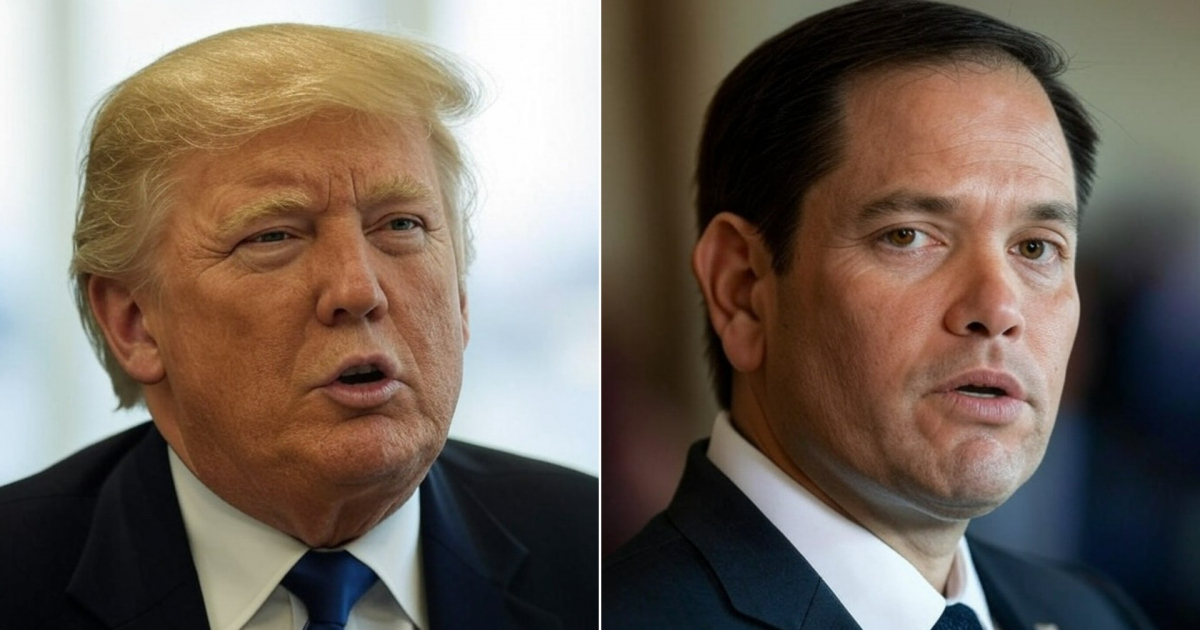
With Donald Trump's inauguration on January 20, 2025 (his second presidential term), his team—led by the newly appointed Secretary of State, Marco Rubio—immediately reviewed the measures that Biden had adopted in his final days. Less than ten days later, on January 29, 2025, the State Department published the letter stating:
I retracted the previous administration's letter concerning the LIBERTAD Act.
In practical terms, this means:
- Abolish the suspension of new lawsuits that Biden had decreed on January 14.
- Reactivates the ability of any U.S. claimant who alleges having lost property in Cuba to initiate immediate legal actions.
The Legal Foundation
The Helms-Burton Act itself (22 U.S.C. § 6085) allows the president to suspend or revoke the suspension of Title III at his discretion when he deems it necessary to "accelerate a democratic transition in Cuba" or for "U.S. national interests." Trump argues that reinstating full enforcement of Title III increases pressure on the Cuban regime and facilitates the pursuit of justice for victims of expropriations.
Implications of Lifting the Suspension
New Demands
Starting January 31, 2025, new lawsuits can be filed in U.S. federal courts against companies engaged in economic activities related to confiscated properties on the Island.
Companies that conducted transactions in Cuba during the "brief window" of suspension (from January 14 to 29) could be subject to future legal actions if it is deemed that they are dealing in expropriated properties.
Ongoing Cases
As the text of the Law itself clarified, the suspension did not affect ongoing litigations. In any case, these processes remained active even during Biden's week of suspension and now continue normally under the renewed context of the "full validity" of Title III.
Policy Towards Cuba
The Trump Administration is resuming a "maximum pressure" strategy. Further tightening measures are expected, including potential travel restrictions or additional limits on remittances, which could be reintroduced or reinforced. Foreign investors once again face legal uncertainty, which could severely impact the economy of the Island, largely controlled by the regime and the Cuban Armed Forces.
Diplomatic Relations
Allied countries with significant interests in Cuba (such as Spain and Canada) will likely voice protests, just as they did in 2019 when the first claims were raised. Increased tension with the European Union is to be expected, as it has defended its investors against what it views as an extraterritorial application of U.S. law.
Perspectives and Anticipated Reactions
Trump's Team: Both the president and his advisors (including the new National Security Advisor, Mike Waltz, and the potential Secretary of State, Marco Rubio) are known advocates of strong measures against the Cuban regime.
Cuban Community in Exile: On one hand, some celebrate the resurgence of claims as a means to seek restitution for expropriated properties; others fear further harm to the already battered economy of the Island and the resulting suffering for ordinary Cubans.
Cuban Regime: The government of Havana is expected to denounce the "hostile policy" and "aggression" from the United States, while facing a scenario of declining foreign investment and potential resource shortages.
Summary
- Biden Reinstated the Suspension (January 14, 2025)
- It froze the right to new claims under Title III for six months.
- Even so, the ongoing lawsuits continued.
- Removed Cuba from the list of State Sponsors of Terrorism and eliminated the "restricted list."
- Trump Lifts the Suspension (Jan 31, 2025)
- By letter to Congress, it formally invalidates Biden's measure.
- The new demands will be reactivated starting that same day.
- It maintains the line of sanctions against Cuba, seeking to exert pressure on the regime.
Immediate Future
Additional lawsuits are expected against companies operating on expropriated properties.
In the absence of an active suspension, any potential foreign investor in Cuba faces immediate legal risks in the U.S.
In conclusion, the annulment of the letter from the previous administration (Biden) by the new presidency of Donald Trump restores the full force of Title III of the Helms-Burton Act, reopening the doors to new lawsuits related to properties expropriated after 1959. This reinforces a stricter approach in U.S. policy towards Cuba, with the potential to increase economic pressure on the regime and complicate foreign investments on the island.
Frequently Asked Questions about the Reactivation of Title III of the Helms-Burton Act and Its Implications
What does the reactivation of Title III of the Helms-Burton Act mean?
The reactivation of Title III of the Helms-Burton Act allows U.S. citizens to file lawsuits for properties confiscated by the Cuban regime after 1959. This measure had been suspended every six months since 1996 to avoid diplomatic conflicts, but it was reactivated by Donald Trump in 2019 and again in 2025, allowing for new legal actions against companies operating with those properties.
What is the impact of the reactivation of this law on diplomatic relations between the United States?
The reactivation of Title III of the Helms-Burton Act increases diplomatic tension between the United States and its allies. Countries such as Spain and Canada, with interests in Cuba, have protested against what they see as an extraterritorial application of U.S. law. This could complicate relations with the European Union and other international partners.
How does this measure affect the Cuban economy?
The reactivation of Title III of the Helms-Burton Act creates legal uncertainty for foreign investors in Cuba, which could reduce foreign investment on the island. This negatively impacts an economy already largely controlled by the Cuban regime and the Armed Forces, increasing economic pressure on the Havana government.
What implications does this policy have for Cuban citizens?
The policy of reactivating Title III could worsen the economic situation in Cuba, affecting everyday citizens. Legal uncertainty and the potential decline in investments could lead to greater shortages of resources on the island, increasing the suffering of the Cuban population under the current regime.
Filed under: