
Related videos:
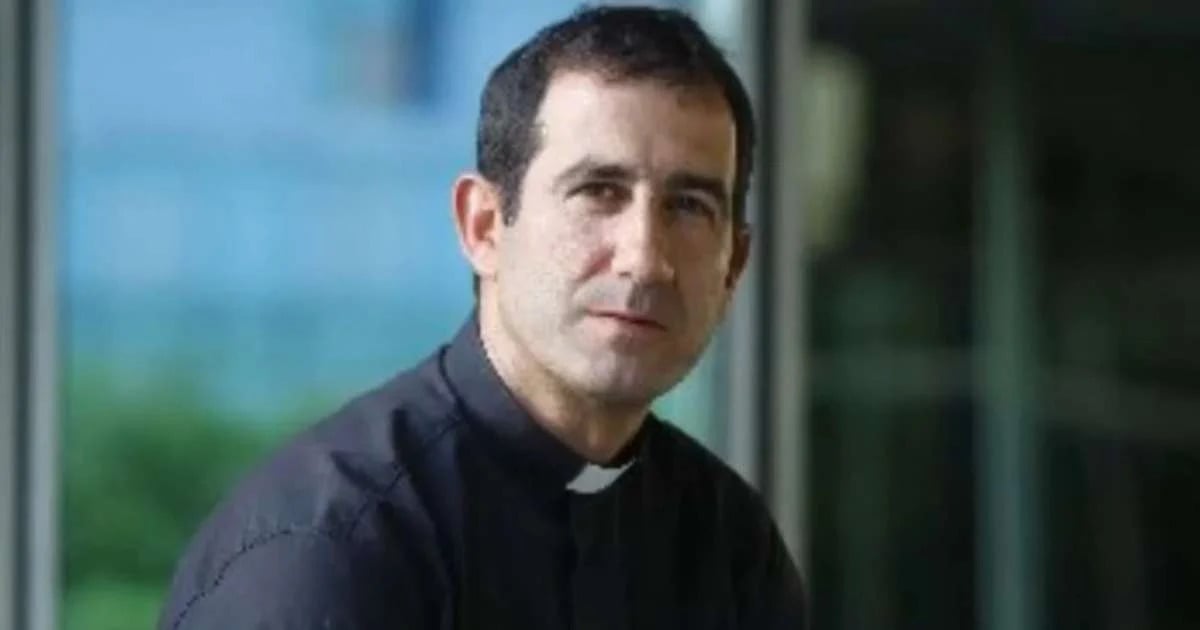
The priest Alberto Reyes Pías, known for his criticisms of the Cuban regime, urged the people to react and not to keep waiting for "someone to do something" to bring about change in the country.
The parish priest of the Diocese of Camagüey questioned the passivity of Cubans, who have taken on the role of spectators as social discontent, rejection of the government, and the desire for an end to the seemingly endless daily nightmare grow.
In a post shared on his Facebook wall, Reyes was emphatic in stating that a social change in Cuba will not occur without pain, but it will never happen if there is no will and if specific individuals do not abandon their passivity and make decisions.
Next, CiberCuba shares the full text of the publication.
I have been thinking… (XCXIX) by Alberto Reyes Pías
I have been thinking about the illusion of a painless cure
When it comes to the reality of the ordinary Cuban, what is perceived is extreme fatigue and a deep desire for a radical change in life in this country. I listen to people, and it's as if I relive the anecdotes they told me about the last days of Batista: social weariness, visceral rejection of the government, and increasingly profound yearnings for an end to a daily nightmare that seems endless.
And yet, we are a people who have started to focus on other concerns: Will remittances be interrupted? Will flights to and from the United States be canceled? Will this prevent the visits of those who have emigrated...? We look in horror at any news that threatens what we do not want to lose, and we let our minds run wild like a “madwoman in the attic”: Will prices rise even more? Will suppliers run out? Will hunger increase...?
I understand the unpleasantness of uncertainty and the precariousness of our lives, and that at this moment, no one knows how this will end—not the people, nor the government. But I also believe that one thing is certain: change will not come without pain.
For years we have waited for a magic solution, a kind of "someone do something" while we assumed our role was that of spectators. It is true that in the moments when we have decided to take the lead in our story, the response from those in power has been aggressive and ruthless, but on the other hand, was another reaction to be expected?
Current international circumstances may be more or less favorable to internal change, but the system that was established here one day without our consent will not come to an end without the exercise of our will.
A social change has its roots in specific individuals who, one day, chose to think, make decisions, and act accordingly, despite their inevitable insecurities.
Because it is not necessary, for example, to announce to the world that 'the war of the people' is, besides being foolish, something that no one believes in, not even those who call for it, but that does not eliminate the fear when it comes to deciding to stay at home.
It is not necessary to explode with rage and say that you've been treated like a useful object when the company bus picks you up and instead of taking you to your job, drops you off at the march of the torches, but we will always have the option to leave and not participate, despite the fear of confronting those who 'warn' you about the possible consequences of your decision.
Peaceful is not the same as passive. The necessary change can still be achieved through peaceful means, but it will never come from passive attitudes.
Bernard Shaw said: "You see things as they are and you ask yourself: why? I dream of things that never were and I ask myself: why not?"
And the change in this island will be unstoppable when more and more people stop, seriously, to ask ourselves, 'Why can't it be different?' and do what we can, despite the possible prices.
Frequently Asked Questions about the Call for Social Change in Cuba by Alberto Reyes
What message does Alberto Reyes convey about the passivity of the Cuban people?
Alberto Reyes strongly criticizes the passivity of the Cuban people, stating that change will never come from passive attitudes. He insists that to achieve social change, people must stop being spectators and take active decisions, despite the possible consequences and the fear they may encounter.
How does Alberto Reyes describe the current situation in Cuba?
Reyes describes the situation in Cuba as a critical moment, marked by misery, repression, and despair. He refers to the widespread crisis, the lack of freedoms, and daily issues such as food and medicine shortages, as well as the absence of freedom of expression.
What is Alberto Reyes' position on the Cuban regime?
Alberto Reyes is a fervent critic of the Cuban regime, denouncing the lack of rights and freedoms, as well as the manipulation and repression by the government. He advocates for change and encourages the population to fight for truth and justice, emphasizing that the regime has no national project and remains in power solely through repression.
What does Alberto Reyes suggest to achieve change in Cuba?
Reyes suggests that change in Cuba must start from the individual will of each citizen. He proposes that people take an active role, question the current system, and make brave decisions from their respective positions, whether in the judicial, educational, business, or military sectors, to foster an environment of justice and truth.
What is Alberto Reyes' vision for the future of Cuba?
Alberto Reyes imagines a future for Cuba where there is freedom, prosperity, and reconciliation, a country where no one wants to leave and everyone wishes to live. In his vision, Cuba would be a place without political prisoners, with a justice system that respects the law and full freedom of expression, where security forces are seen as protectors rather than instruments of fear.
Filed under: