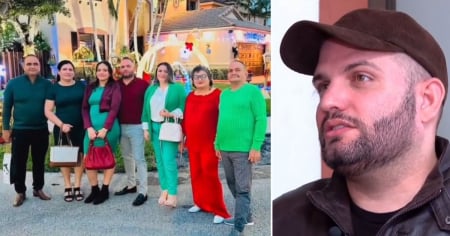
A video shared by the user @reinaldo9303cubano on TikTok has touched and amused thousands. In it, Noe, the user's uncle, reflects on what he left behind in Cuba. With a mix of nostalgia and humor, he confesses, "I don’t miss Cuba, son. I miss my things," referring to a cast iron hammer, his damask upholstered living room set, and even a painted fan featuring a lion.
The video reflects the emotional connection that Cubans feel with the items they have acquired through hard work. “I took care of my belongings. I upholstered my living room set myself; it turned out beautiful. Now, someone else is enjoying it,” laments Noe. He also recalls the refrigerator he left behind: “The one from the 2005 Energy Revolution, it was still new.”
The conversation, guided by his nephew Rey, is filled with melancholy and laughter. When asked if he wants to go back, Noe clarifies: “I miss my things, but I don’t want to go back there. I’ve already escaped the misery and the blackouts.” Still, he adds hopefully: “One day I will have something better, God will help me.”
The reactions to the video have been overwhelming, with comments celebrating Noe's sincerity and character. One person highlights that "material things can be replaced, but we miss them for the sacrifice they cost," while another notes that "his nostalgia reflects what we exiles experience, even though we know we're better off here." The painted fan, in particular, generated laughter: "A fan with a painted lion? That's definitely unforgettable," wrote a user.
This is not Noe's first viral moment. In another video, he humorously recounted his journey to the United States, facing the sea and crossing Mexico. Later, his reaction to using an electric coffee maker for the first time captured the public's attention, naturally showcasing the cultural adaptations that immigrants encounter.
The video is a window to the nostalgia that accompanies those who emigrate, leaving behind not only people but also objects that, as Noe explains, represent a part of their identity. “The sacrifice of obtaining the little we had in Cuba gave sentimental value to everything,” someone reflected in the comments. However, Noe does not lose faith: “Here I will build something new, with effort, as always.”
With each video, Noe not only brings smiles but also provides an authentic portrayal of the Cuban migration experience: a journey that, although challenging, is filled with hope.
Frequently Asked Questions about Nostalgia and the Experiences of Cuban Immigrants in the United States
Why do Cuban emigrants feel so much nostalgia for their personal belongings?
The nostalgia for personal belongings among Cuban emigrants is due to the effort and sacrifice that it took to acquire them in Cuba. These items hold not only material value but also represent a part of their identity and memories of their previous life on the island. The emotional connection intensifies when being away from home and facing new realities abroad.
How does emigration affect the emotional lives of Cubans abroad?
Emigration has a significant emotional impact on Cubans, as they face feelings of sadness, nostalgia, and loneliness. The separation from loved ones and the distance from their cultural practices creates a sense of uprooting. However, many find comfort in their new families and the Cuban community abroad, which helps them cope with the absence.
What expectations do Cubans have about life in the United States before emigrating?
The expectations of Cubans regarding life in the United States are often idealized, believing they will easily find comforts and improvements in their quality of life. However, many find themselves facing significant challenges, such as cultural adaptation, job searching, and learning a new language. These misguided expectations can clash with reality, leading to feelings of frustration and surprise.
How do Cubans adapt to life in the United States after emigrating?
The adaptation of Cubans to life in the United States involves a process of learning and effort. Many seek out communities of fellow countrymen and social networks to find emotional support and guidance. Learning English and understanding the local culture are essential steps for integration. Although cultural and technological differences can be challenging, perseverance and the desire to improve their lives motivate emigrants to overcome difficulties.
Filed under: