
Related videos:
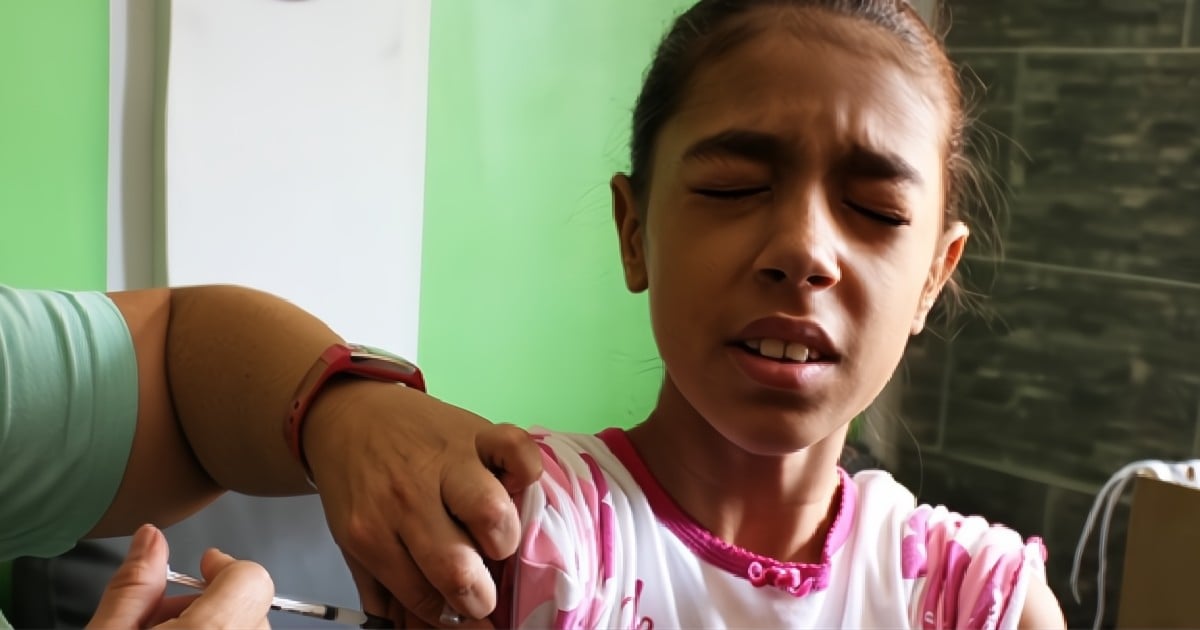
Cuba is preparing to include vaccination against the human papillomavirus (HPV) in its National Immunization Program for the first time.
According to the Ministry of Public Health (MINSAP), the campaign is aimed at more than 68,000 girls aged 9 to 10, with the goal of preventing cervical cancer and other diseases associated with HPV.
Vaccination, without a specific start date, will take place in schools and health centers, in coordination with families and medical personnel, assured a note published in the official outlet Cubadebate.
Regarding the topic, the advisor at the Pan American Health Organization/World Health Organization (PAHO/WHO), Dr. Miguel González, indicated that vaccination against HPV is one of the measures included in the global initiative for the elimination of cervical cancer, along with timely detection and access to treatment.
This decision by Cuba to implement vaccination against HPV is set against a backdrop of increasing concern over the incidence of cancers related to this virus in the region.
According to the Efe agency, in Cuba, Cervical cancer is the fifth leading cause of death among women and the second, specifically, in the group aged 15 to 44 years, according to local health authorities.
Therefore, "the coverage objective set is equal to or greater than 95%, and the goal pursued is to achieve the elimination of cervical cancer related to HPV, with fewer than four cases per 100,000 women per year," explained the head of the National Immunization Program of MINSAP, Lena López.
The introduction of the HPV vaccine in Cuba represents a crucial advance in the prevention of these diseases, especially in a country where cancer is the second leading cause of death, with an increasing trend in recent years.
What is HPV?
Human papillomavirus (HPV) is one of the most common sexually transmitted infections in the world. There are more than 200 types of HPV, but about 14 are considered high risk due to their potential to cause cancer. Types 16 and 18 are responsible for approximately 70% of cervical cancer cases.
In addition to cervical cancer, HPV can cause other types of cancer, such as vulvar, vaginal, anal, penile, and oropharyngeal cancers, as well as genital warts.
Situation in Latin America and Cuba
Many countries have included the HPV vaccine in their national immunization programs, including Mexico, Argentina, Brazil, and Colombia. However, Cuba had not yet systematically included it, making the announced campaign a key step in the prevention of cervical cancer on the island.
Importance of vaccination
- Reduce the incidence of cervical cancer and other diseases associated with HPV.
- It reduces the burden on healthcare systems by preventing costly treatments and invasive procedures.
- It protects both women and men, as the virus also affects males.
- It has demonstrated safety and efficacy, with millions of doses administered worldwide.
Challenges in its implementation
- Misinformation and myths about the vaccine have created resistance in some sectors.
- Accessibility and cost have been a barrier in some countries.
- A high level of coverage is needed for protection to be effective at the population level.
Frequently Asked Questions about HPV Vaccination in Cuba
Why is vaccination against HPV important in Cuba?
Vaccination against HPV is crucial for preventing cervical cancer and other diseases related to this virus, which is one of the most common sexually transmitted infections and a leading cause of mortality among women in Cuba. The campaign aims to achieve coverage equal to or greater than 95% to eliminate cervical cancer in the country.
Who is the HPV vaccination campaign in Cuba aimed at?
The HPV vaccination campaign in Cuba targets more than 68,000 girls aged 9 to 10. This group is the initial focus to prevent future infections and reduce the incidence of HPV-related diseases.
How will the vaccination against HPV be carried out in Cuba?
The vaccination will take place in school institutions and health centers, in coordination with families and medical personnel. Although there is no exact start date, preparations for health specialists are being strengthened to ensure the success of the campaign.
What challenges does the implementation of the HPV vaccine face in Cuba?
The main challenges include disinformation and myths about the vaccine, which can create resistance in some sectors, as well as the need to achieve high coverage for the protection to be effective at the population level. There is also the barrier of accessibility and cost, although it is expected that the campaign will overcome these difficulties.
Filed under: