
Related videos:
The energy crisis in Cuba worsens with a forecasted electricity generation deficit of over 1,500 MW for this Thursday.
According to the Unión Eléctrica (UNE) reported on , the service was affected for 24 hours the day before due to insufficient generation capacity, reaching a peak impact of 1,590 MW at 6:10 p.m., coinciding with the peak demand.
Currently, the availability is 1,660 MW compared to a demand of 2,530 MW, resulting in a shortfall of 907 MW.
It is forecasted that by noon the impact will increase to 1,350 MW and, during the peak night hours, a availability of 1,810 MW is expected with a demand of 3,250 MW, resulting in a deficit of 1,440 MW and an estimated impact of 1,510 MW.
In light of this situation, the Electric Company of Havana announced on scheduled outages that will impact customers in blocks #3 and #4 between 10:00 a.m. and 2:00 p.m. Subsequently, block #2 will be affected until 5:00 p.m., and block #1 from 5:00 p.m. until 8:00 p.m.
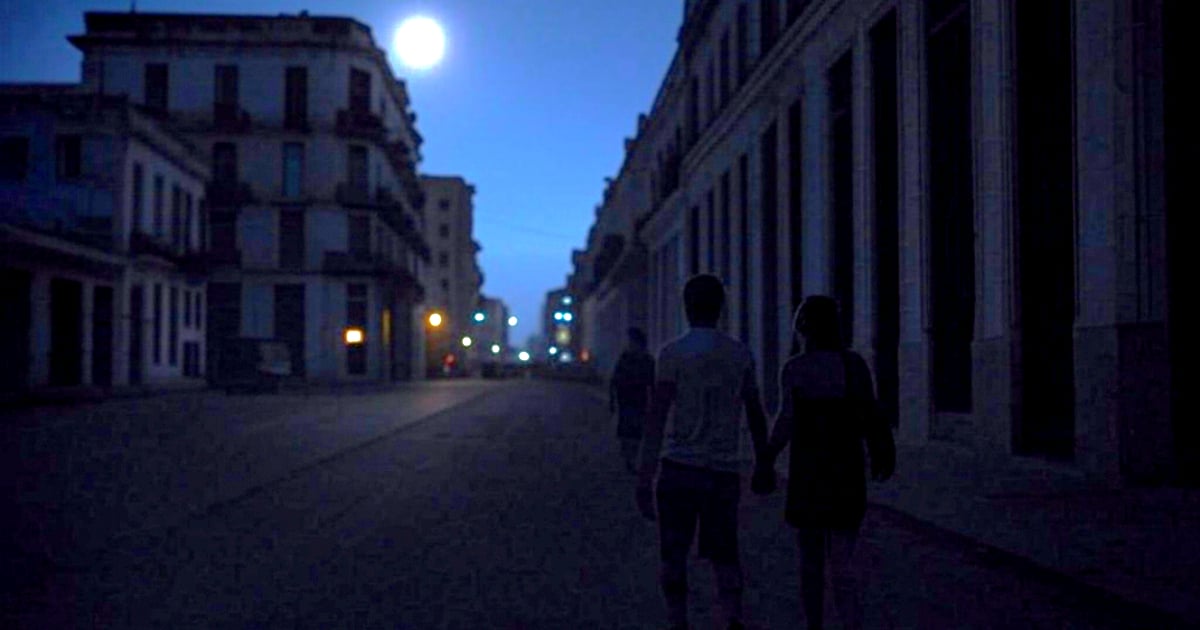
This situation adds to a series of prolonged blackouts that have affected the country in recent weeks. Provinces such as Camagüey, Holguín, and Matanzas have experienced power outages lasting more than 20 hours a day, leading to increasing discontent among the population.
The lack of maintenance in thermal power plants, the scarcity of fuel, and outdated electrical infrastructure are factors contributing to this crisis. Additionally, the disconnection of key units has intensified blackouts in various regions of the country.
The energy crisis has led the government to suspend classes in schools and close non-essential state institutions to reduce energy consumption.
However, these actions have not managed to lessen the impact on the daily lives of Cubans, who face difficulties in carrying out basic activities such as cooking, storing food, and accessing essential services.
Filed under: