
Related videos:
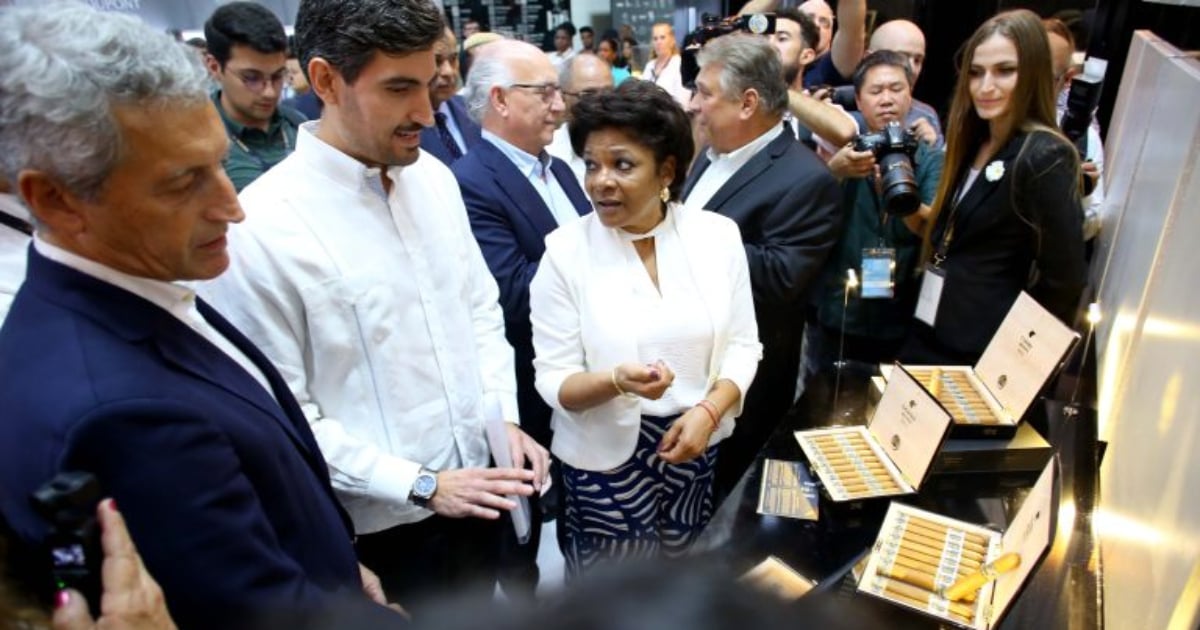
While the Cuban regime grandly inaugurates the twenty-fifth edition of the Habano Festival, where entrepreneurs and collectors from over 70 countries celebrate the "true luxury" of Cuban tobacco, the reality for ordinary citizens is very different.
In a country where the scarcity of basic products is already a part of daily life, the price of a box of Criollo or Popular cigarettes on the black market has surged to 500 Cuban pesos (CUP), reflecting an unprecedented economic crisis.
The event, taking place in Havana until February 28, highlights the dual nature of the Cuban economy: while premium tobacco is showcased as a global ambassador for the island, local consumers struggle to access even the more affordable brands at astronomical prices, considering that the minimum wage on the island is 2,100 CUP.
With national cigar production plummeting, the state company Tabacuba prioritizes exports and the international image of the product, a rationale defended by authorities as necessary for attracting foreign currency that is managed opaquely.
The paradox is evident. At the Palacio de Convenciones in Havana, the festival showcases its glamour with conferences on tradition and innovation, multimillion-dollar humidor auctions, and exclusive dinners, while on the streets, Havana residents stand in endless lines to buy poorly made cigars from the regulated family basket or in small quantities on the black market.
Recent reports indicate that the prices of the most affordable cigars have reached exorbitant figures in the informal market, even reaching 1,500 pesos for a box of H. Upmann in some provinces.
Despite the energy crisis that has plunged Cuba into constant blackouts and the shortage of basic products, the regime continues to focus on events like this to attract foreign investment.
The contradiction does not go unnoticed: the very island where many workers can barely afford their basic needs becomes, for a few days, the epicenter of a luxury industry, intended exclusively for those who can pay its high prices.
Far from benefiting the population, the Habano Festival serves as a reminder of the priorities of the Cuban government: while the national economy is collapsing, the tobacco sector is consolidating as a multi-billion euro source of income for the state, with sales reaching 721 million euros in 2024.
However, these gains hardly translate into improvements for Cubans, who continue to suffer from shortages and rampant inflation. Once again, Havana becomes a postcard of contrasts: between blackouts and gala parties, between the luxury of cigars and the precariousness of the average Cuban.
Filed under: