
Related videos:
The Cuban government announced the inclusion of new drugs in the Essential Drug List, setting their retail prices in national currency, but at a high cost to the working population.
The measure, established in the Resolution 324/2024 from the Ministry of Finance and Prices, was published in the Official Gazette of the Republic of Cuba on February 26, 2025.
Medications and their prices
The official document details that the new medications and their respective prices are as follows:
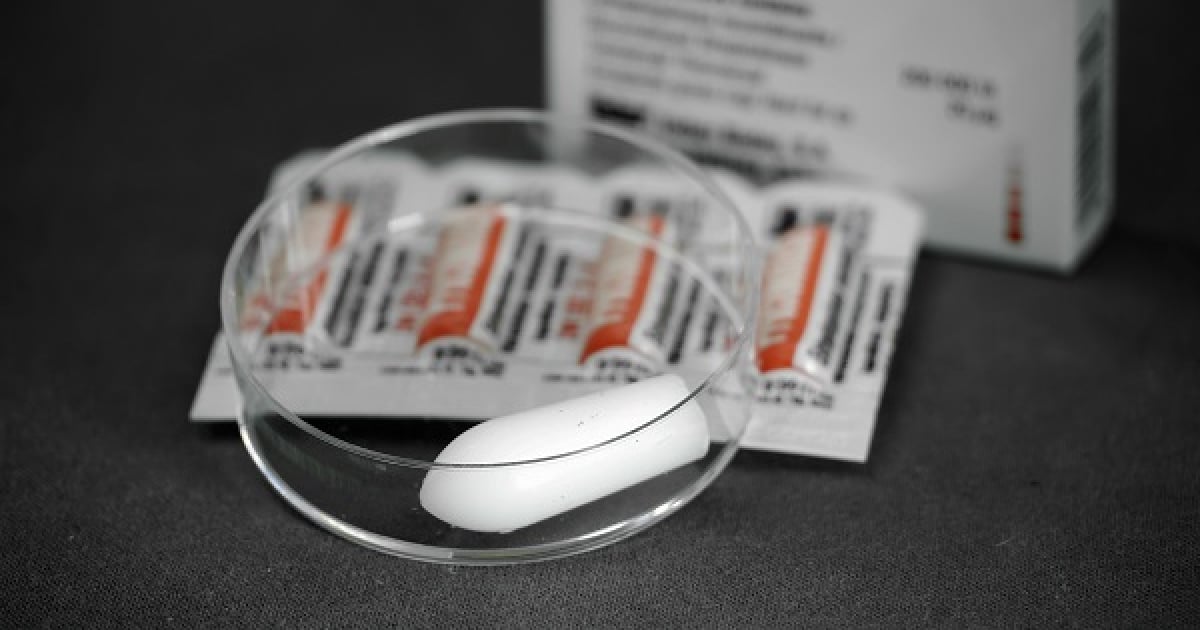
- Proctokinase (suppositories, pack of 4 units): 352.50 CUP
- Hebermin (Recombinant Human Epidermal Growth Factor, 30g bottle): 390.00 CUP
- Nasalferón (Recombinant human Interferon Alpha 2b, nasal solution in a 2 ml bottle): 172.50 CUP
- HeberFast Line - MaterniTest II (self-test for early pregnancy detection, package with 1 test): 120.00 CUP
These prices are unaffordable for many Cubans, especially considering the high cost of basic services in the country, and particularly the cost of food, in the current context of inflation and shortages.
The average salary in Cuba is approximately 4,500 CUP, which is equivalent to about 13.24 dollars based on the current exchange rate of 340 CUP for 1 USD. Those who need to buy these medicines must choose between eating, paying for electricity, or getting treatment.
Context of crisis and shortages
Since January, the crisis of shortages in pharmacies in Cuba has led the government to intensify measures to ration the insufficient supply. Authorities attributed this scarcity to external factors and the rising costs of raw materials in the international market.
Patients with chronic diseases such as hypertension, diabetes, and asthma face serious difficulties in accessing their treatments, putting their health at risk.
In some regions, new distribution systems have been implemented to organize the sale of medications, assigning specific days according to each patient's medical office.
More than 70% of essential medications are in short supply in Cuba, which accounts for over 460 drugs from the basic list. This situation has led to a surge in the black market, where prices for medicines have skyrocketed.
The government adopted measures such as the tariff exemption for the importation of medications by travelers, but these actions have not been enough to alleviate the crisis. Cubans continue to face significant challenges in obtaining essential medicines, exacerbating the country's health crisis.
Frequently Asked Questions about the Medication Crisis in Cuba
What are the new prices of medications in Cuba?
The Cuban government has set new prices for certain medications in its national currency. For example, Hebermin costs 390 CUP, Proctokinase 352.50 CUP, Nasalferón 172.50 CUP, and MaterniTest II 120 CUP. These prices are high for the Cuban population, considering the average salary and the high cost of living in the country.
How does the shortage crisis of medications affect the Cuban population?
The crisis of medication shortages in Cuba severely affects the population, limiting access to essential treatments. Patients with chronic illnesses such as hypertension, diabetes, and asthma face difficulties in obtaining their medications, which worsens their health. Furthermore, the scarcity has fueled a black market for medications, driving up prices and making access even more challenging.
What measures has the Cuban government taken to address the shortage of medications?
The Cuban government has implemented measures such as the tariff exemption for the importation of medications by travelers and a self-financing scheme in foreign currency for the Public Health sector. Despite these measures, shortages persist, and experts doubt their effectiveness in resolving the crisis.
Filed under: