
Related videos:
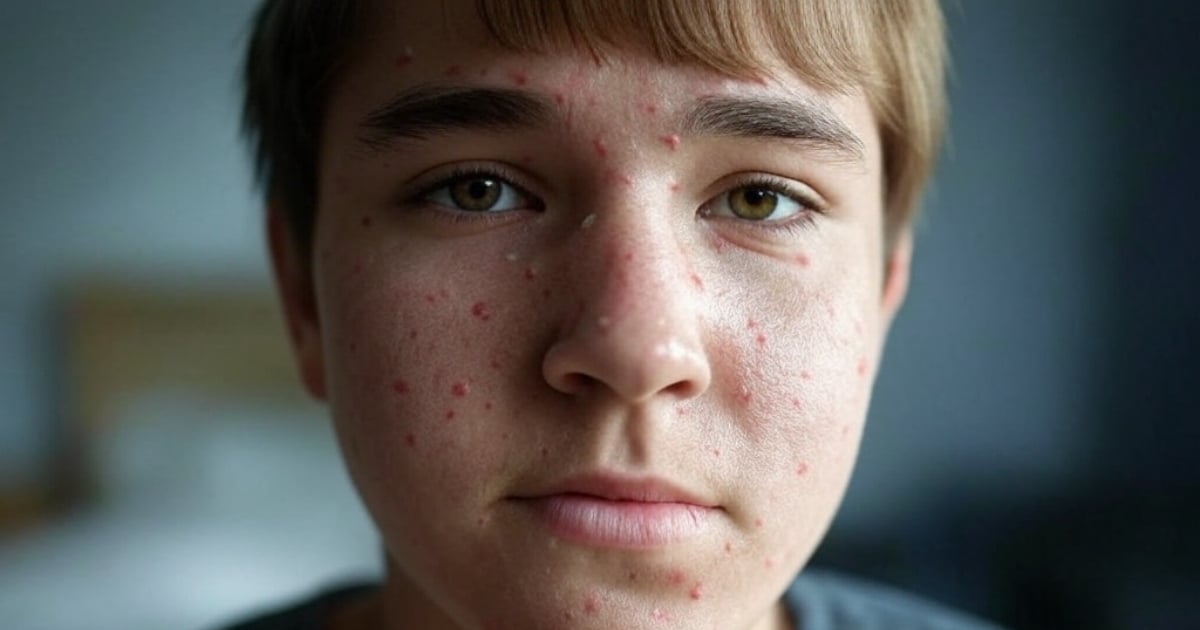
In the province of Sancti Spíritus, specifically in the municipality of Cabaiguán, isolated cases of chickenpox have been reported, with a higher incidence among the child population.
Although an outbreak has not been declared, health authorities have recommended caution and vigilance in response to the appearance of symptoms, according to the broadcaster Radio Sancti Spíritus on Facebook.
The media advised on its website that in the presence of symptoms such as fever, headache, and stomach pain, one should consult a doctor immediately, as the disease can manifest with rashes and blisters between 10 and 21 days after infection.
This situation recalls the situation experienced in 2023 in Sancti Spíritus itself, when in the first three months of the year more than 120 cases were reported, with nearly 30 in the provincial capital and the majority being children between five and nine years old.
Why is there no vaccination against chickenpox in Cuba?
Unlike other countries, the chickenpox vaccine is not included in Cuba's national immunization schedule. The reasons behind this decision include:
Immunization policy: Vaccines against diseases with a greater health impact are prioritized, such as polio, diphtheria, tetanus, whooping cough, hepatitis B, and meningitis.
Control strategy: Chickenpox is considered a mild illness in children, and the approach in Cuba has been to allow natural infection during childhood, when complications are less frequent.
Availability and cost: The chickenpox vaccine is not part of the Expanded Immunization Program (EPI), and its importation or local production has not been a priority for the healthcare system.
Consequences of Lack of Vaccination
The lack of immunization has led to the persistence of occasional outbreaks, especially in children and closed communities. Additionally, adults who did not experience chickenpox in childhood may exhibit more severe symptoms, and immunocompromised individuals or those with chronic illnesses face a higher risk of complications.
While in countries like the U.S., Canada, and Spain the chickenpox vaccine is part of the childhood immunization schedule and is mandatory in many regions, in Cuba the disease continues to circulate endemically, putting the most vulnerable populations at risk.
Frequently asked questions about the chickenpox outbreak in Sancti Spíritus and the health situation in Cuba
What cases of chickenpox have been reported in Sancti Spíritus?
In Sancti Spíritus, specifically in the municipality of Cabaiguán, isolated cases of chickenpox have been reported, particularly among the child population. Although an outbreak has not been declared, authorities have advised caution in light of the appearance of symptoms.
Why isn't the chickenpox vaccine available in Cuba?
In Cuba, the chickenpox vaccine is not included in the national immunization schedule. The reasons include the prioritization of other vaccines and the perception that chickenpox is a mild disease in children, as well as issues related to availability and cost.
What are the consequences of not vaccinating against chickenpox in Cuba?
The lack of vaccination has led to occasional outbreaks of chickenpox, especially in children and vulnerable individuals. Adults who did not have chickenpox during childhood may experience more severe symptoms.
What are the symptoms of chickenpox and what measures should be taken?
The symptoms of chickenpox include fever, headache, and a rash that appears between 10 and 21 days after exposure. It is recommended to see a doctor if you experience these symptoms and to follow health guidelines to avoid complications.
Filed under: