
Related videos:
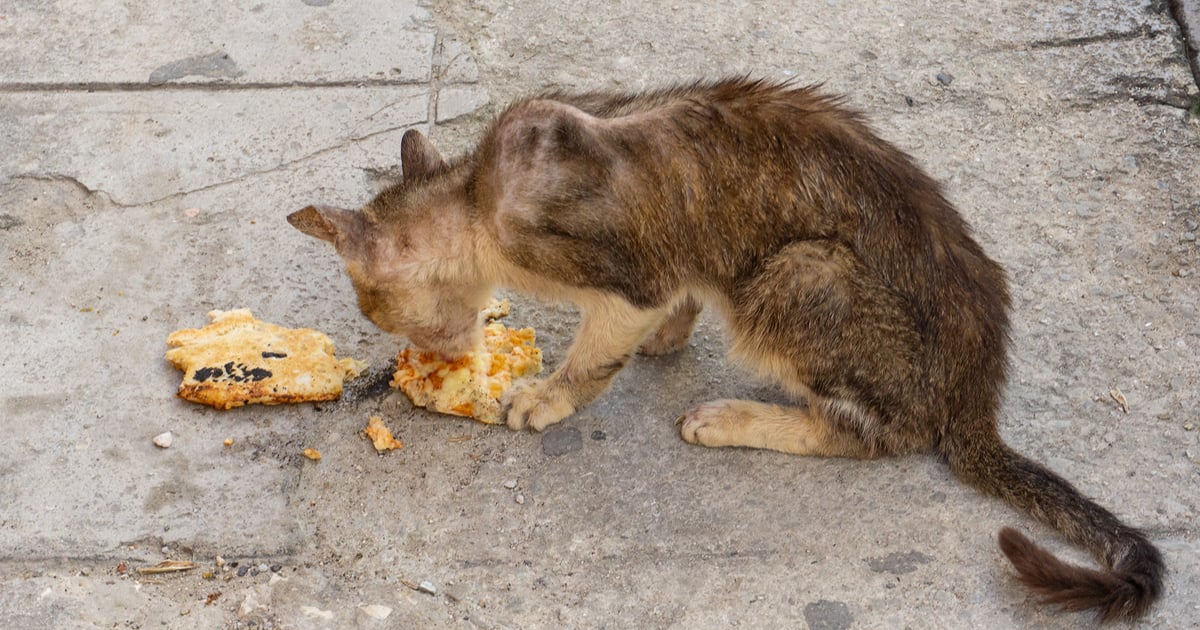
Two neighbors in Cuba sacrificed and ate a cat that had been abandoned months earlier by a family that moved away.
The animal, described as affectionate and sociable, learned to survive on the streets and, in its search for food, even managed to open refrigerators in some nearby homes, according to a report shared by the independent media elTOQUE on its X profile, which did not specify the exact location of the events.
One of the people who reported the case recounted that the cat had entered her home on two occasions to look for food.
"It was a bit bothersome because he opened refrigerators. Ladies and gentlemen, if humans become ill when we are hungry, just imagine an animal that doesn't know what it is doing," expressed the complainant, who cares for four other cats at her home.
Previously, one of the neighbors had brutally attacked the cat, causing two deep wounds. However, the cat managed to recover with care, honey, and proper nutrition.
However, the situation took a more cruel turn when the very neighbors set a trap for him, waited for him to fatten up, brutally killed him, and ate him.
"I wonder: is it really necessary to go that far?" questioned the whistleblower, who also pointed out that those responsible have jobs and means to obtain food, attributing the incident to pure malice.
The recent case of a woman who beaten a cat to death in Havana has sparked a wave of outrage in Cuba and on social media. The woman, identified as Ana Selena Martínez López, was captured on video repeatedly striking the animal against the sidewalk while stating that she would use it to make "soup for the children." This act was reported by the platform Protección Animal SOS - PASOS, which called for a severe punishment for the aggressor.
After the report and follow-up on the case, Cuban authorities imposed two fines on the responsible party: one amounting to 3,000 CUP from Animal Health and another of 7,000 CUP from the National Revolutionary Police (PNR), since the cat had an owner and the incident was considered theft. However, activists have pointed out that these penalties are insufficient and have reiterated the need to include animal abuse in the Cuban Penal Code.
On March 6, the Cuban government described the "aberrant" murder of the cat and reaffirmed its commitment to a "zero tolerance" policy regarding such incidents. Through the Ministry of Agriculture (MINAG), an investigation was announced in coordination with the National Revolutionary Police. However, animal rights activists continue to denounce that the current legislation in Cuba is weak and allows extreme acts of cruelty to go unpunished or to be penalized with fines that do not reflect the seriousness of the crime.
This case has rekindled the debate on the need to strengthen the Animal Welfare Law in Cuba, which was approved in 2021, but whose implementation remains inadequate. Animal rights organizations have insisted that the government must impose stricter penalties and ensure effective mechanisms to protect animals from violence and abandonment.
Frequently Asked Questions about Animal Abuse and the Situation of Pets in Cuba
How does the economic crisis in Cuba affect animal welfare?
The economic crisis in Cuba has led to an increase in the abandonment and mistreatment of pets, as many families cannot afford their care. The lack of food and veterinary resources has left many people with no options to keep their animals, resulting in a rise in the number of pets on the streets.
What actions is the Cuban government taking regarding animal abuse?
The Cuban government has implemented fines for animal abuse, as evidenced by the case of a cat killed in Havana, where financial penalties were imposed on the responsible party. However, many activists criticize that the measures are insufficient and do not effectively address the issue of animal welfare on the island.
What is the impact of emigration on pet abandonment in Cuba?
Mass emigration has significantly increased the abandonment of pets in Cuba. Many people leaving the country cannot take their animals with them, resulting in a large number of dogs and cats being left behind, further complicating the situation of animal welfare on the island.
What role do activists and shelters play in animal protection in Cuba?
Activists and shelters are essential for animal protection in Cuba. Despite the challenges, these organizations strive to rescue and find homes for abandoned animals, as well as report cases of abuse. However, they face enormous hurdles due to a lack of resources and government support.
Filed under: