
Related videos:
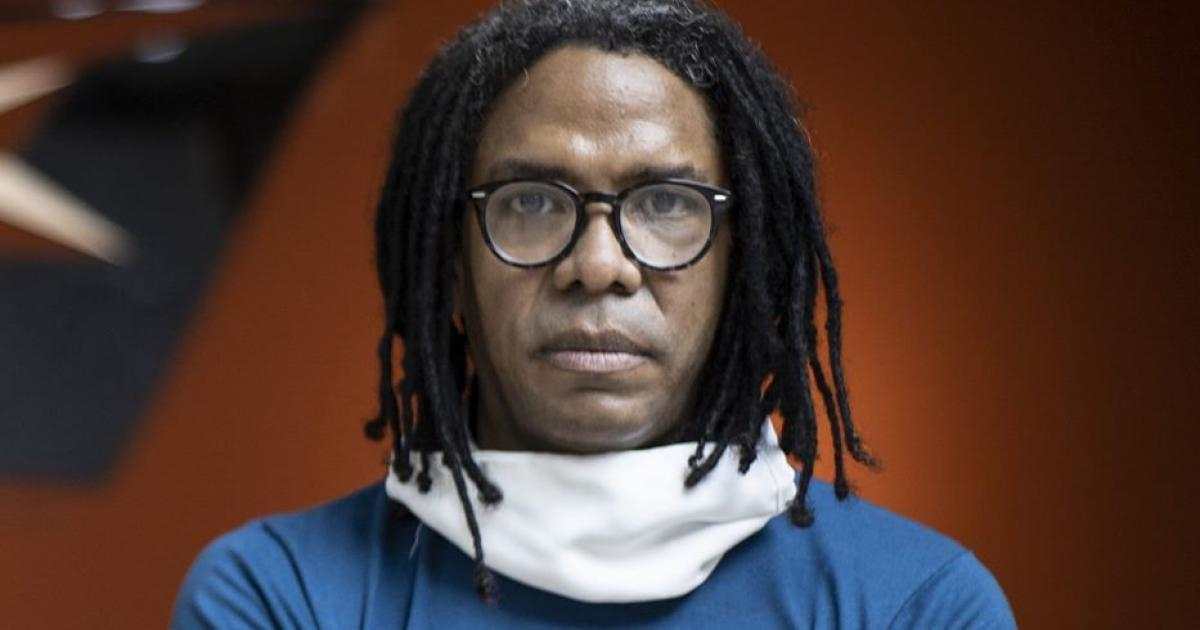
Cuban singer-songwriter Raúl Torres expressed his disappointment and discontent after visiting the Museum of Cuban Music and discovering that there is no reference to his work in the institution.
Through a social media post, the musician expressed his frustration over what he considers an unjust omission of his legacy within the country's musical landscape.
Torres reported that, approximately fifteen days ago, he visited the museum with a group of friends. While exploring its halls, he was impressed by the quality of the exhibition, the cleanliness, and the meticulous timeline of Cuban musical history.
However, upon reaching the trova section, his enthusiasm turned to disappointment when he noticed that his name was nowhere to be found. "Not a photo, not a memory, not a mention," he wrote.
He pointed out that the museum guides hardly recognized him, and that one of them even asked who he was. "This fact has been a harsh setback for me," the musician admitted.
Torres said that he does not expect apologies or amendments, but the experience has led him to a deep reflection on his career and his position within Cuban culture. He mentioned that, in the past, he considered donating to the museum the guitar with which he composed his song dedicated to Fidel Castro, but now he has decided to give it to his family.
"I always knew that radicalizing my thoughts and expressing my opinions would bring me problems, but I never imagined they would reach this extreme," wrote the musician.
He added that it seemed paradoxical to see other artists represented in the museum who, in his view, have criticized the Cuban government, while his work was overlooked. However, he acknowledged that these musicians also have the right to be featured for their artistic quality.
Torres, known for his loyalty to the government, has stirred controversy in the past due to his political stance and admiration for Fidel Castro. In 2024, he resurfaced on social media with a message urging the regime to "change everything that must be changed", in an apparent attempt at veiled criticism of the State's management.
On that occasion, he stated that the people "need a profound action to save their project," while expressing his concern over the growing disaffection of many artists towards the system. He accused social media of "bombarding with manipulated propaganda" and influencing the change in mindset of many of his colleagues.
Raúl Torres has been a controversial figure in Cuban music, particularly due to his song "Cabalgando con Fidel," a propagandistic piece that generated strong criticism both inside and outside the island.
The episode of his omission from the Museum of Cuban Music seems to have caused him to reevaluate certain aspects of his career and his relationship with the country’s cultural institutions.
"This is a call for reflection, not only for me but for those who have the responsibility to preserve and honor our musical history," he concluded in his message.
Frequently Asked Questions about Raúl Torres' Omission from the Cuban Music Museum
Why is Raúl Torres disappointed with the Museum of Cuban Music?
Raúl Torres is disappointed because, upon visiting the Museum of Cuban Music, he discovered that there was no reference to his work. He believes that his omission from the museum is unfair and a significant setback for his musical legacy in Cuba. He expressed his frustration through social media, pointing out that he was not recognized by the museum guides and reflecting on his place in Cuban culture.
What has been Raúl Torres' political stance and how has it influenced his career?
Raúl Torres has been known for his loyalty to the Cuban government, although he has sparked controversy due to his veiled criticisms of the regime. In 2024, he urged the regime to "change everything that needs to be changed." This stance has brought him troubles, but it has also led him to reflect on his career and his relationship with cultural institutions in Cuba.
What reactions has Raúl Torres' criticism of the Museum of Cuban Music provoked?
Raúl Torres' criticism of the museum has highlighted the tensions between artists who support the regime and those who criticize it. His omission has been viewed as a reflection of the divisions within the Cuban cultural landscape, where some artists are ignored or censored due to their political positions. Torres has pointed out the paradox of his exclusion compared to other critical artists who are indeed represented.
Filed under: