
Related videos:
The regime in Havana launched an attack this Tuesday against the head of the United States Embassy, Mike Hammer, whom they accused of "weaving an anti-Cuban agenda."
Through an article published in the official media Razones de Cuba titled "Weaving the Anti-Cuban Network: The Hammer Agenda", the text reflects the government's stance, which insists on portraying any diplomatic dialogue from Washington with dissident sectors as a supposed destabilization conspiracy.
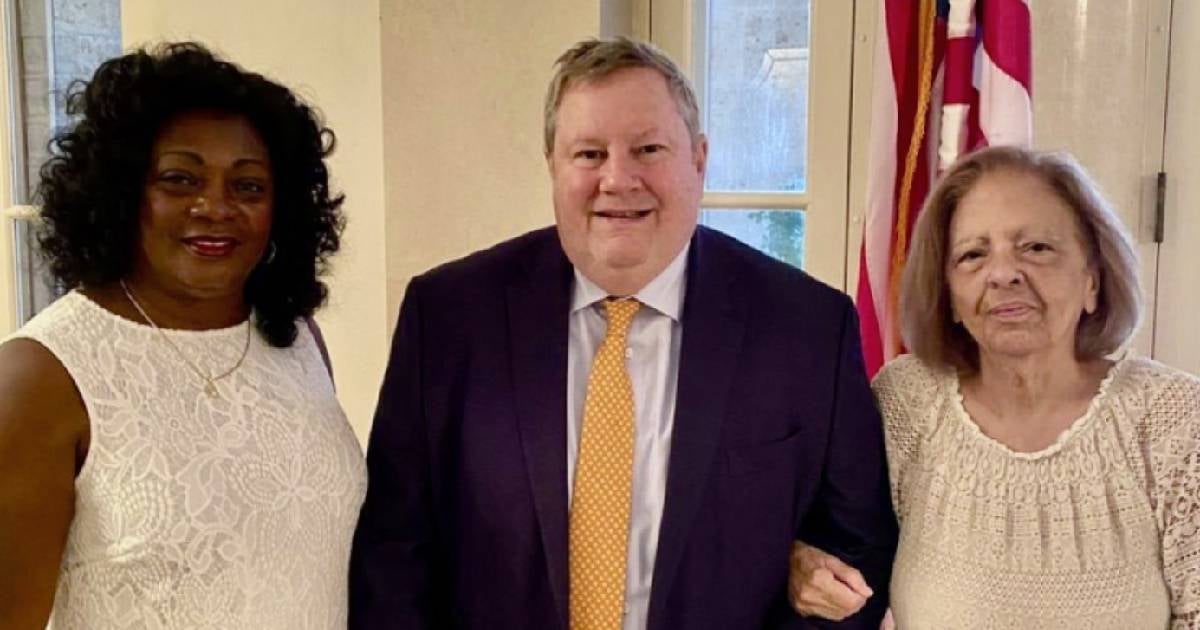
The article—stemming from several meetings between the diplomat and opposing leaders—accuses Hammer of being an "agent of destabilization" with an agenda focused on strengthening the opposition within the island.
According to the Castro-aligned media, his arrival in Havana signifies a return to the “aggressive policy” of the United States towards Cuba, despite the fact that the only thing the diplomat has done is meet with representatives from various sectors of Cuban society, including religious leaders and civil society groups.
One of the points that has angered the regime the most is Hammer's first official meeting with the Czech ambassador to Cuba, Petr Kavan, whom the Havana government accuses of having supported Cuban activists advocating for democracy and human rights on the island in the past.
The article also attempts to link U.S. diplomacy with alleged "conspiracy" strategies orchestrated from the European Union and other international bodies.
The official text also attacks the work of Radio y TV Martí, labeling them as "propaganda mechanisms funded by the U.S. government."
As has been customary, disregard that this medium serves the purpose of providing alternative information to the narrative controlled by the Cuban regime, which continues to prevent a free press in the country.
The regime also criticizes Hammer's approach to religious groups, a strategy that, according to the Cuban government, aims to use religion as a "Trojan horse" to influence public opinion.
The reaction of the Cuban government demonstrates its discomfort with any form of dialogue that it does not control.
For the opposition, this constant narrative of "foreign intervention" is a tired strategy used to justify repression against dissent and to divert attention from the economic crisis, social discontent, and the lack of freedoms plaguing the island.
Frequently Asked Questions About the Diplomatic Tensions Between Cuba and the United States
Why did the Cuban regime attack Mike Hammer?
The Cuban regime accused Mike Hammer of "weaving an anti-Cuban agenda", basing its criticisms on the diplomat's meetings with opposition leaders and his alleged attempt to strengthen the opposition within the island. The official stance of the regime is that any diplomatic dialogue of this kind is a conspiracy to destabilize the country.
What has been the United States' response to the accusations from the Cuban government?
The United States has maintained its critical stance towards the Cuban regime, promoting human rights and dialogue with Cuban civil society. Mike Hammer has held meetings with opponents and activists to highlight the repression on the island and strengthen his country's commitment to democracy in Cuba.
What has motivated the tensions between the U.S. Embassy and the Cuban government?
Tensions have increased due to Mike Hammer's meetings with opposition leaders and his interest in promoting democratic values and human rights in Cuba. Additionally, the meeting with the ambassador of the Czech Republic, whom the regime accuses of supporting dissent, has been another point of friction.
What is the Cuban regime's stance on the activities of Radio and TV Martí?
The Cuban regime labels Radio and TV Martí as "propaganda mechanisms" funded by the United States, ignoring that these outlets provide alternative information to the narrative controlled by the government. This type of media aims to offer a different perspective than that imposed by the Cuban regime.
Filed under: