The publication on Tuesday by the U.S. Department of Homeland Security (DHS) of the Notice officially announcing the revocation of humanitarian parole for Cubans, Haitians, Nicaraguans, and Venezuelans has left many questions regarding what may happen in the next 30 days that the government has given for those affected to understand the measure and act accordingly.
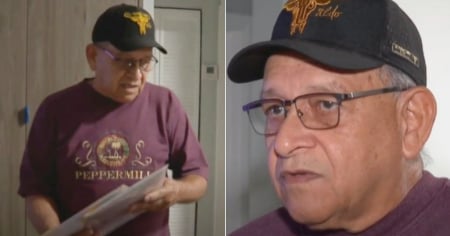
In an interview with Univision, attorney Claudia Cañizares clarified several points and provided some advice for beneficiaries who will reach their one year and one day of residence in the U.S. by April 24; as well as for those who, for any reason, have not yet been in the U.S. for a year and who have not applied for political asylum to date.
Cañizares began by warning those affected that the measure is quite clear in stating that those individuals who did not have a pending application at the time of the publication of the "Notice" - that is, who did not have a legal basis to remain in the country - are subject to expedited deportation.
Nevertheless, with that reality in mind, the lawyer made some suggestions.
"The Cuban who meets the one year and one day requirement before April 24 can apply when it's their turn, but they cannot apply earlier. If they will reach their one year and one day mark before April 24, then of course they should take advantage and apply," he noted.
However, the lawyer went on to add that her "biggest concern is that the measure states that those individuals who do not have a pending application at the time of publication are subject to expedited deportation."
"In other words, if you haven't applied yet, we are giving you 30 days, but those 30 days are to leave, not 30 days to apply," he added, warning that if the authorities strictly adhere to what is stated in the Notice, anyone who completes a year and a day this March 28, for example, would not have the right to apply for residency.
Regarding those beneficiaries of humanitarian parole who will not have spent a year and a day in the U.S. before April 24 and who have also not applied for asylum, Cañizares recommends that they file for asylum and explained the reason.
"This measure that was taken may lead to a federal lawsuit, and it is possible that they will provide an extension period for people to submit applications if they had none pending," he clarified.
"My recommendation is that you apply anyway, as long as you qualify," she concluded. However, the lawyer also warned that, in principle, "the document is quite clear and states 'we will not protect those who had nothing pending on March 25, 2025'."
Revocation of humanitarian parole
The Department of Homeland Security (DHS) of the United States published a notice this Tuesday, as planned, informing about the "Termination of the parole processes for Cubans, Haitians, Nicaraguans, and Venezuelans."
The extensive document, signed by the Secretary of Homeland Security, Kristi Noem, and published in the Federal Register, officially communicates the decision to terminate the parole programs known as CHNV, established to allow the orderly and controlled entry into the U.S. of citizens from those four countries.
The measure has a profound impact on thousands of individuals and families who until now relied on this mechanism to stay legally in the United States.
The official end date for the CHNV programs is March 25, 2025.
The DHS has determined that, as part of the termination of the CHNV entry permit programs [...] the entry permits of foreign nationals who have received entry permission to the United States under such programs and whose permits have not expired before April 24, 2025, will end on that date, unless the Department of Homeland Security determines an exception.
The DHS was clear in stating that “individuals on probation who do not have a legal basis to remain in the United States after the completion of the programs must leave the country before the expiration date of their permit.”
The Department of Homeland Security indicated that the humanitarian parole program "does not represent a significant public benefit, is not necessary to reduce levels of illegal immigration, has not sufficiently mitigated the internal effects of illegal immigration, does not fulfill its intended purposes, and is incompatible with the administration's foreign policy objectives."
What should people on probation do?
The DHS establishes a 30-day period starting from March 25 for beneficiaries who do not have a legal basis to remain in the country to leave voluntarily.
If you do not comply, you will be subject to coercive measures, including expedited deportation.
Those who have initiated valid immigration procedures are not required to leave, but they must present evidence of their process to avoid penalties or being included in deportation proceedings.
What official channels has the DHS established?
The notice published in the Federal Register serves as official notification and is legally binding for all those affected.
Additionally, DHS will notify each person through their online USCIS account, thereby ensuring the message reaches them, even if someone has not updated their mailing address.
“Parole is neither a guaranteed right nor a pathway to permanent residency”, DHS remembered, emphasizing that it is an exceptional, discretionary, and revocable measure.
At the same time, it was also reported this Tuesday that the Donald Trump administration has discreetly halted the processing of permanent residency applications for individuals who have already been approved as refugees or granted asylum in the United States.
Frequently Asked Questions about the Revocation of Humanitarian Parole for Cubans
What impact does the revocation of humanitarian parole have on Cubans in the U.S.?
The revocation of humanitarian parole affects thousands of Cubans who entered the United States under this program, leaving them without a legal basis to remain in the country. Those who have not initiated a valid immigration process before March 25, 2025, face the possibility of expedited deportation.
What should Cubans who have been in the U.S. for a year do before April 24th?
Cubans who have been in the U.S. for one year and one day before April 24 can apply to adjust their status under the Cuban Adjustment Act. They must submit their application once they meet the required time, not before.
What options do Cubans have who have not been in the U.S. for a year before April 24?
Cubans who do not meet the one year and one day requirement in the U.S. before April 24 and have not applied for asylum or any other immigration benefit face a heightened risk of deportation. It is advisable for them to seek legal counsel to explore their options, such as applying for asylum if they qualify.
How many Cubans could be left without legal status as a result of this measure?
It is estimated that around 26,000 Cubans may lose their legal status in the U.S. following the revocation of humanitarian parole. These are mainly those who entered after March 2024 and do not yet meet the requirement of one year and one day of residency to benefit from the Cuban Adjustment Act.
Filed under: