
Related videos:
A new wave of uncertainty is shaking the Cuban migrant community in the United States following the recent decision by the Donald Trump administration to pause the processing of permanent residency applications for individuals with humanitarian status, including refugees, asylees, and beneficiaries of parole.
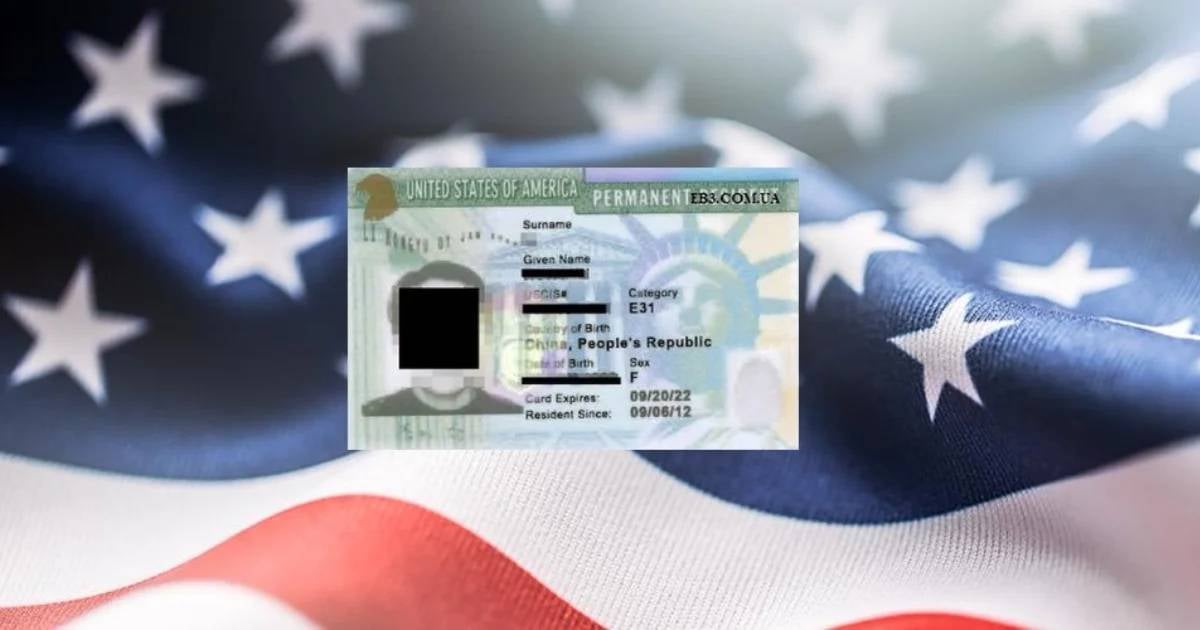
According to CBS News, the Citizenship and Immigration Services (USCIS) instructed its officials to suspend the processing of those forms for obtaining a "green card," leaving hundreds of thousands of migrants, many of them Cuban, in legal limbo, who had already begun their regularization process after receiving humanitarian protection.
"USCIS is implementing a temporary pause on the processing of certain status adjustment applications while additional identity verification, national security, and fraud prevention processes are completed," the media outlet reported.
The measure responds to two executive orders signed by Trump, aimed at tightening immigration control, banning potential threats to national security, and thoroughly reviewing the procedures applied during the presidency of Joe Biden.
Humanitarian parole: thousands of affected Cubans
The decision to revoke the status of humanitarian parole beneficiaries, a program created in 2022 under the Biden administration that allowed legal and temporary entry, affects citizens from Cuba, Haiti, Nicaragua, and Venezuela.
The measure directly impacts more than 530,000 people. This total includes around 111,000 Cubans, although, according to journalist Wilfredo Cancio, around 26,000 would be left unprotected, especially those who arrived in the country after March 2024 and still do not meet the one-year and one-day requirement to apply under the Cuban Adjustment Act.
A little further from the residence and a greater risk of deportation
Lawyers and migration experts agree that those who have already begun their status adjustment before the announcement of the measure—whether through the Cuban Adjustment Act, asylum, TPS, or special visas such as U or T—should not be affected by this suspension in terms of deportation.
However, the most vulnerable are those who: entered with parole and have not yet completed a year and a day in the U.S.; have not applied for asylum or initiated any legal process; do not have another immigration status or alternative means of protection.
These groups have been given a 30-day period -ending on April 24- to voluntarily leave the country, otherwise they could face expedited deportations. A digital application for “self-deportation” (CBP Home) has even been made available, attempting to pressure those affected to exit the country without judicial intervention.
“Those who have done nothing are unfortunately subject to expedited deportation,” explained to Univisión attorney José Guerrero. “The government considers them a priority to remove from the country quickly.”
I-220A and the dream of the "green card"
Federal judges have ruled that the I-220A document - issued upon crossing the border with Mexico - cannot be used to apply for permanent residency under the Cuban Adjustment Act.
Many of these individuals have sought asylum or attempted to take other routes to regularize their stay in the U.S.
The situation of Cubans with this immigration status is concerning, as a recent report states that nearly 550,000 Cubans in the United States could be at risk of deportation due to the lack of clear pathways for regularization.
The uncertainty about their legal future and the implementation of stricter measures by ICE have caused alarm among immigrants and their families, who fear being unexpectedly detained, as has happened in the recent raids in South Florida.
A broader migration offensive
The pause in residency procedures for asylum seekers and refugees is not an isolated incident. It is part of a broader strategy by Trump to dismantle the humanitarian programs implemented by Biden, arguing that many migrants were "insufficiently vetted" and that the processes are "fraught with irregularities."
Among the new measures are: enhanced security checks and background checks; mandatory review of applicants' social media; expanded powers to designate foreign groups as terrorists, including cartels and gangs.
Additionally, last month the processing of applications from Latin American and Ukrainian migrants under other special programs had already been halted, which reinforces the idea that Trump seeks to completely reverse the more humanitarian and flexible approach of the Biden era.
Reactions and international condemnation
Human rights organizations have reacted with concern and severe criticism. Amnesty International described the revocation of parole as a demonstration of “disregard for human rights” and warned about its devastating impact on vulnerable communities.
Thousands of Cubans, Haitians, Venezuelans, and Nicaraguans who fled humanitarian crises are now facing the real possibility of being expelled from the U.S., despite having entered legally and followed the established processes.
Time flies
With the procedures suspended, thousands of Cuban families today live in fear of losing everything. On social media and migrant forums, confusion, anguish, and a desperate search for legal alternatives to avoid deportation and stay in the country they arrived in seeking a better life are increasing.
Frequently Asked Questions about the Revocation of Humanitarian Parole for Cubans in the U.S.
How does the revocation of humanitarian parole affect Cubans in the U.S.?
The revocation of humanitarian parole directly affects Cubans who entered the U.S. under this program, leaving them at risk of deportation if they have not regularized their immigration status. Thousands of Cubans would be left legally unprotected, especially those who have not met the one-year-and-one-day requirement to qualify for the Cuban Adjustment Act.
What options do Cubans have to avoid deportation after the suspension of parole?
Cubans can seek alternatives such as applying for permanent residency under the Cuban Adjustment Act, as long as they have lived in the U.S. for at least one year and one day. They can also explore options like political asylum, although this process is more complicated and requires proof of persecution in their home country.
What are the legal implications of Trump's measure on humanitarian parole?
Trump's measure entails an indefinite suspension of residency processes for beneficiaries of humanitarian parole. This means that those who have not initiated another immigration procedure or do not have an alternative legal status could face expedited deportation processes. Additionally, immigrants have been instructed to leave the country within 30 days if they do not want to be deported.
What is the social and economic impact of the revocation of parole in the Cuban community in the U.S.?
The revocation of parole creates a significant social impact by instilling fear and uncertainty within the Cuban community, which fears deportation and the loss of socioeconomic stability. Many families face the possibility of forced separations, while the loss of work permits could jeopardize their economic livelihood.
Filed under: