
Related videos:
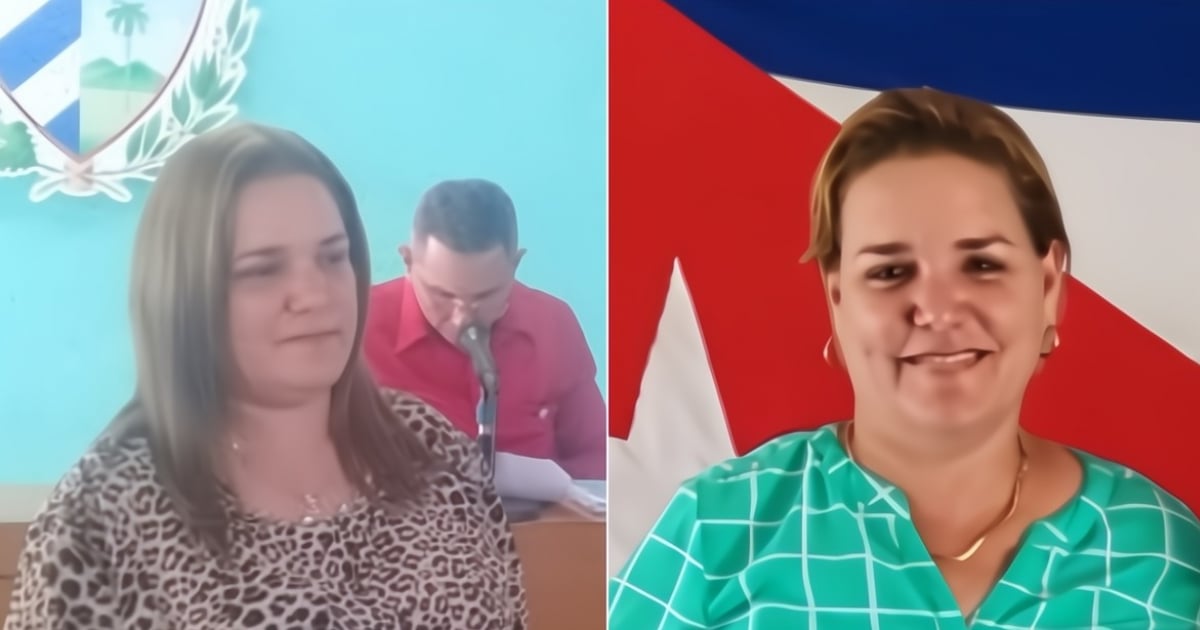
The seven-year prison sentence against the former mayor of Puerto Padre, Maricela Alonso Ojeda, has sparked a wave of reactions on social media.
Most of the comments on a post in the Facebook group Revolico Puerto Padre celebrate the sanction imposed on the corrupt official, although others question the impunity of more serious cases and point out the double standards within the Cuban government.
One of the most shared messages states: "That woman caused a lot of harm to people and was a great manipulator using the power she had. But still, she has a lot of influence and will be out soon."
Another user expressed their frustration about the widespread corruption in the country: “If these are the small ones, what can we expect from the big leagues? Mediocrity and abuse are everywhere.” “Now they serve two or three years and then continue stealing. That’s normal everywhere,” commented another reader.
The comparison with other officials was also frequent: "They were asked for very little, but those who remain in office are doing the same. The government should also look at the electric company, which is ruining the people," a user complained.
"The sad thing is that this never ends. The one they put in her place is probably already in the same situation," stated a person. Meanwhile, there were those who called for a deeper review: "They should do a thorough cleaning throughout Cuba, because the problem is widespread. Enough of the double standards."
Although some voices tried to defend the former official, recalling gestures of assistance to citizens in difficult situations, the majority agreed that she should be held accountable for her actions. “She should pay for what she has done. The people already have enough troubles without tolerating abuses of power,” stated another internet user.
Maricela Alonso Ojeda was
The Provincial People's Tribunal of Las Tunas stated that along with her, Mario Quirino Infante Sosa was also sanctioned, being considered an accomplice in the events, and he will have to serve six years of imprisonment.
Reactions on social media make it clear that distrust in the authorities and corruption are issues that anger Cubans. The sentence, while celebrated by some, is viewed by others as a mild punishment in a system that still fails to address the deep-rooted problems.
The Cuban people are still waiting for official information regarding the largest corruption case in recent times, which ended with the arrest of the former Deputy Prime Minister and Minister of Economy and Planning, Alejandro Gil Fernández.
Gil was removed from his position, and the government only stated that an investigative file had been opened at the Prosecutor's Office for "serious errors" during his tenure.
At the time this corruption scandal broke, he was in charge of highly responsible processes in Cuba, such as banking, the control of remittances, and monetary regulation. The regime is keeping this case under complete silence.
Frequently asked questions about the corruption conviction in Las Tunas and the state of corruption in Cuba
What is the sentence imposed on Maricela Alonso Ojeda?
Maricela Alonso Ojeda was sentenced to seven years in prison for the crime of embezzlement, after being found guilty of appropriating state assets intended for sale to the public. Alongside her, Mario Quirino Infante Sosa was also sentenced to six years of imprisonment for his involvement in the events.
How has the Cuban population reacted to the corruption convictions?
The sentence has generated multiple reactions on social media, with many users celebrating the sanction as a necessary step, while others criticize the impunity in larger cases and denounce the widespread corruption in the country. Distrust towards the authorities and indignation over corruption are predominant feelings among Cubans.
What aspects of the Cuban judicial system have been called into question following this case?
The Cuban judicial system has been criticized for its lack of transparency and effectiveness in addressing state-level corruption. Many believe that the penalties are lenient and do not tackle the deep-rooted issues at play, while other corruption cases, such as that of former Economy Minister Alejandro Gil Fernández, have yet to be publicly clarified.
What additional measures have been taken against those convicted of corruption in Las Tunas?
In addition to prison sentences, the court imposed additional penalties such as the prohibition of engaging in any profession related to the management of material and financial resources, and their political rights, including active and passive suffrage, were revoked. They were disqualified from holding leadership positions in state bodies and were prohibited from obtaining a passport or leaving the country until the full completion of the penalty.
Filed under: