
Related videos:
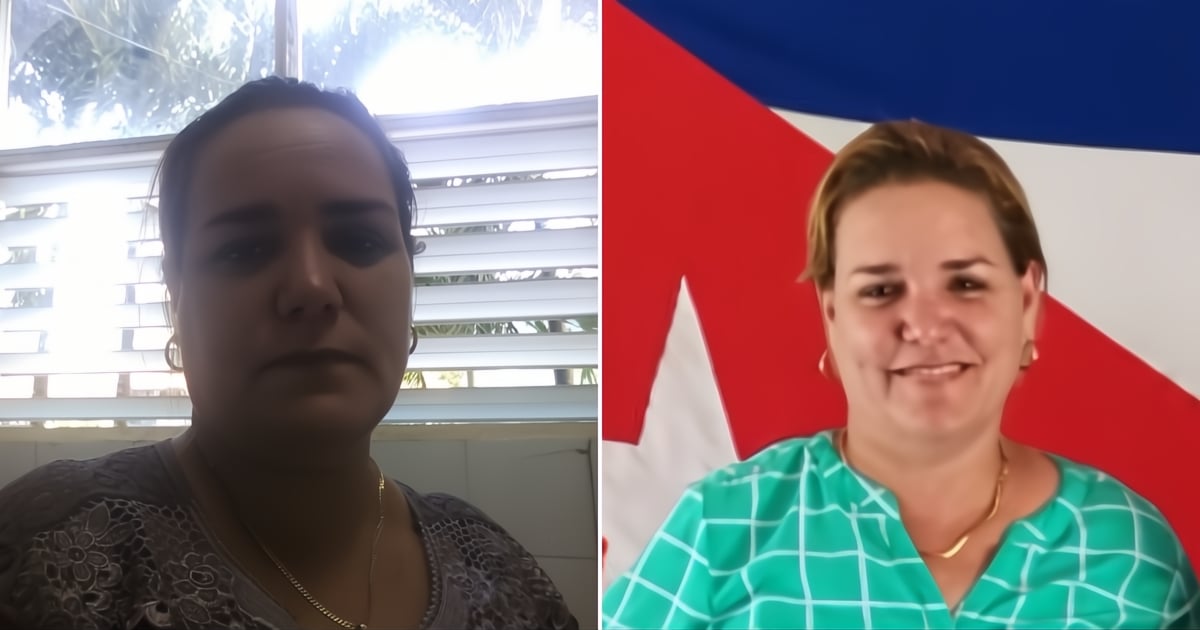
The former superintendent of the municipality of Puerto Padre, Maricela Alonso Ojeda, was sentenced to seven years in prison for embezzlement after being found guilty of appropriating state property intended for sale to the public.
According to an official statement from the Provincial People's Court of Las Tunas, reproduced by the government-aligned Periódico 26, Mario Quirino Infante Sosa was also sentenced as a participant in the events, and he will have to serve six years of imprisonment.
Both were prosecuted in the criminal case number 225 of the year 2024, pertaining to several offenses related to administrative corruption, including influence peddling and bribery, although they were ultimately convicted for embezzlement.
The court detailed that Alonso Ojeda, in her capacity as mayor of the municipality of Puerto Padre, abused her administrative powers to appropriate products that were meant to be distributed to the population through state-run store chains, a situation that is quite common among Cuban leaders.
According to the ruling, he acted in concert with Infante, who was responsible for locating, transporting, and selling the embezzled products, with both benefiting unlawfully.
"He took advantage of the distribution of several products that were sold to the population, appropriating a portion of them for his personal benefit along with Mario," noted the press release issued by the judicial body.
The facts were classified by the court as constituting the crime of embezzlement, as outlined and punished under Article 297.1 of the Cuban Penal Code.
The criminal chamber concluded that Alonso should be considered the direct perpetrator, as she had legal and administrative control over the assets, while Infante was deemed an accomplice for facilitating the execution of the crime through the logistics of distributing and marketing the diverted products.
In addition to prison sentences, the court imposed accessory sanctions on both defendants, such as a prohibition on exercising any profession, position, or trade related to the management, care, or availability of material and financial resources.
Their political rights, such as active and passive suffrage, were also revoked; they were disqualified from holding leadership positions in state bodies, state economic units, and political or mass organizations, and they were prohibited from obtaining a passport or leaving the country until the full compliance with the penalty was achieved.
The oral and public trial was held, according to the court, in strict compliance with due process and the legal and constitutional rights of the defendants.
Regarding this embezzlement case, the news portal Cubanos por el Mundo reported last January that Alonso was detained and faced several charges of corruption.
According to that source, alongside her, the first secretary of the Communist Party in the municipality, Yanisleidys Fernández López, and the secretary of the Municipal Assembly of People's Power, Juana Álvarez Fernández, were also under investigation. They have allegedly been implicated by the administrator of the Palace of Pioneers, identified as Mario, who is also involved in the events.
The accusations reported by the media included the diversion of state resources for supply and subsequent resale to local small and medium-sized enterprises (mipymes), document forgery to justify these operations, theft and illegal sale of fuel belonging to the state, and abuse of the position assigned by the authorities of the Cuban government.
Additionally, at least five other ongoing investigations were mentioned, involving various political and administrative figures in the area.
According to a source consulted by the aforementioned portal, both Álvarez and Alonso come from the educational sector, where they held leadership positions for many years.
Álvarez was the director of a polytechnic, and Alonso served as the municipal director of Education before being promoted to the mayor's office.
The Cuban Nehemías Escalona, in comments published by the media, stated that “she was already corrupt when she was in Education, and she was reported through this same avenue, but the government and the PCC rewarded her with the position of superintendent.”
This Tuesday, the official organ of the Communist Party of Cuba (PCC) reported the removal of Walter Simón Noris as first secretary in Las Tunas, after less than a year in office, without specifying the reasons.
Instead, an official with experience in roles as secretary of the Communist Party at the municipal level in Trinidad, Sancti Spíritus, and Isla de la Juventud was appointed.
According to a note published by the PCC, the decision was made by the Central Committee and communicated during a meeting with local leaders, where it was announced that Simón Noris's successor will be Osbel Lorenzo Rodríguez, who previously served as the First Secretary of the Municipal Committee of the Isle of Youth.
Corruption in Cuba continues to be evident at multiple levels of the state apparatus. Recently, CIMEX acknowledged sanctions against employees of a store in Havana after irregular practices were detected in the sale of scarce products such as chicken liver and cigarettes.
The individuals involved favored selected workers and clients, violating established procedures in a context of deep scarcity and social unrest.
In February, a report was made public by a truck driver who claimed to have been a victim of police extortion in Villa Clara. The transporter recounted how the officers demanded bribes and threatened to confiscate his cargo if he did not comply.
The case was documented by independent media and sparked strong public outrage, as it reveals the impunity with which law enforcement operates in various provinces.
Additionally, a few days ago, a corruption scheme within the Liquefied Gas Company of Havana came to light. The investigation revealed a scheme led by executives who systematically diverted resources such as gas canisters and food products for illegal sale.
Bribery, inventory manipulation, and collusion with figures from CUPET were mentioned in what is considered one of the most serious scandals in the state energy sector in recent months.
Frequently Asked Questions about Corruption and Trials in Cuba
Why was Maricela Alonso Ojeda sentenced?
Maricela Alonso Ojeda was sentenced to seven years in prison for the crime of embezzlement. She was found guilty of misappropriating state property intended for sale to the public, abusing her powers as the mayor of the municipality of Puerto Padre.
What additional crimes accompanied the criminal case against Alonso Ojeda?
Although she was ultimately convicted of embezzlement, the criminal case included other offenses related to administrative corruption, such as influence peddling and bribery. However, the court focused on embezzlement when issuing the verdict.
What is the context of corruption in Cuban institutions?
The case of Maricela Alonso Ojeda is a reflection of the widespread corruption in Cuban institutions, where officials abuse their positions to enrich themselves at the expense of State resources. This phenomenon is exacerbated by the lack of transparency and control in the management of public resources.
What additional measures were imposed on Alonso Ojeda and Infante Sosa?
In addition to prison sentences, they were prohibited from exercising any profession related to the administration of material and financial resources, their political rights were revoked, and they were forbidden from leaving the country until they served their sentences.
Filed under: