
Related videos:
In the midst of a national offensive against illegal activities, the Cuban government has imposed a wave of fines in Havana on self-employed workers, street vendors, small and medium-sized enterprises, and small businesses, some of which amount to as much as 16,000 Cuban pesos (CUP).
Sanctions are part of the II National Exercise on Crime Prevention and Combating Corruption, Illegality and Social Indiscipline, which is taking place this week across the country under the oversight of the Communist Party and the Ministry of Interior.
According to the report from the Administration Council of the Plaza de la Revolución municipality, the inspections resulted in more than a dozen fines for violations such as sales at unauthorized prices, expired products, and illegal self-employment activities.
The sanctions range from 5,000 to 16,000 CUP, and some included measures of forced sales at official prices.
Among the most striking cases are:
A non-state business on 19th Street, which sold chicken at 330 CUP per pound—above the official price—and bread without displaying prices to the public, was fined 13,000 CUP.
The small and medium-sized enterprise Río Luz was fined 8,000 CUP for selling expired rice.
The To' Rico point of sale received another fine of 8,000 CUP for selling malt and pasta products at unauthorized prices.
The establishment El Recanto, at 17 and 10, was penalized for selling expired products.
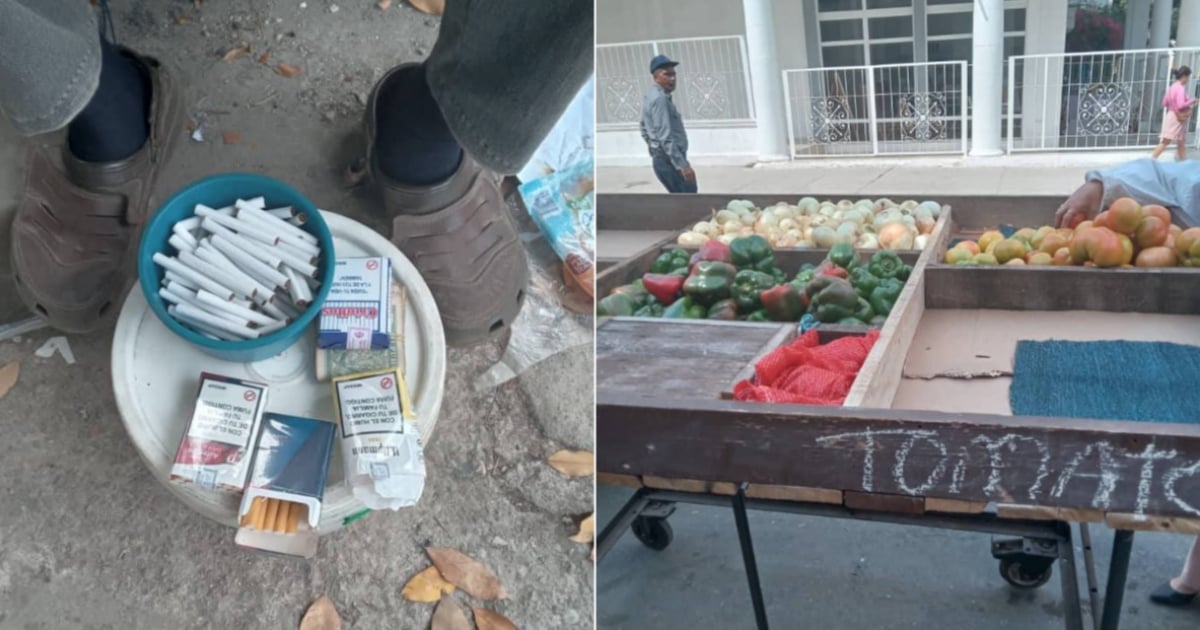
Several street vendors have been penalized for not displaying prices or selling agricultural products above the allowed values, with fines ranging from 5,000 to 8,000 CUP.
The most severe cases occurred in public spaces, where unlicensed street vendors were fined up to 16,000 CUP under Decree Law 91.
Some also faced additional fines of 8,000 CUP for speculative pricing or for not displaying product prices, especially in the resale of items like potatoes and cigarettes.
In several of these operations, forced sale measures were implemented, compelling sellers to offer their products at official prices.
The authorities reaffirmed that these actions aim to "preserve order, tackle speculative practices, and protect the people from abusive prices," and warned that inspections will continue.
The news generated controversy on social media, where some citizens defend the need to control speculation, while others criticize the repressive approach towards the private sector and informal workers.
Although no exact figures have been provided on how many fines or arrests have occurred so far, the deployment of regime forces and the publication of results in state-run media reveal a broader objective: to reinforce state control amid a deep economic crisis and growing public discontent.
Critics point out that the emphasis on punitive actions reflects a lack of structural solutions and serves as a way to divert attention from the decline in purchasing power and widespread shortages.
Meanwhile, small traders and self-employed workers are increasingly suffocated between informality and repression.
Frequently asked questions about fines for self-employed workers and street vendors in Cuba
Why does the Cuban government impose such high fines on self-employed workers and street vendors?
The Cuban government imposes heavy fines as part of a national offensive to confront speculative practices and protect the people from abusive prices. These sanctions are part of the II National Exercise for the Prevention and Confrontation of Crime, Corruption, Illegalities, and Social Indiscipline, under the control of the Communist Party and the Ministry of the Interior. The fines aim to regulate the trade of basic goods and correct economic distortions, although they have sparked controversy due to their repressive approach toward the private sector.
What are the most common sanctions imposed on private businesses in Cuba?
The most common penalties for private businesses in Cuba include fines for selling products at unauthorized prices, marketing expired products, and engaging in economic activities without a license. Fines range from 5,000 to 16,000 Cuban pesos (CUP), and in some cases, forced sale measures at official prices are imposed. These sanctions are part of a government strategy to control inflation and the black market.
What is Decree Law 91 and how does it affect street vendors in Cuba?
Decree Law 91 regulates offenses in the exercise of self-employment, micro, small, and medium enterprises, and non-agricultural cooperatives. This decree is used to impose fines on street vendors operating without a license or those who set speculative prices on their products, such as in the resale of food. Sanctions under this decree can reach up to 16,000 CUP, reflecting the government's policy of maintaining strict control over informal trade.
What has been the reaction of the Cuban population to the fines and sanctions imposed by the government?
The reaction of the Cuban population has been mixed; while some citizens advocate for the need to control speculation to protect consumers, others criticize the repressive approach towards the private sector and informal workers. Social media has become a space for debate where both support and discontent regarding these measures are expressed, reflecting the complexity of the economic and social situation in the country.
Filed under: