
Related videos:
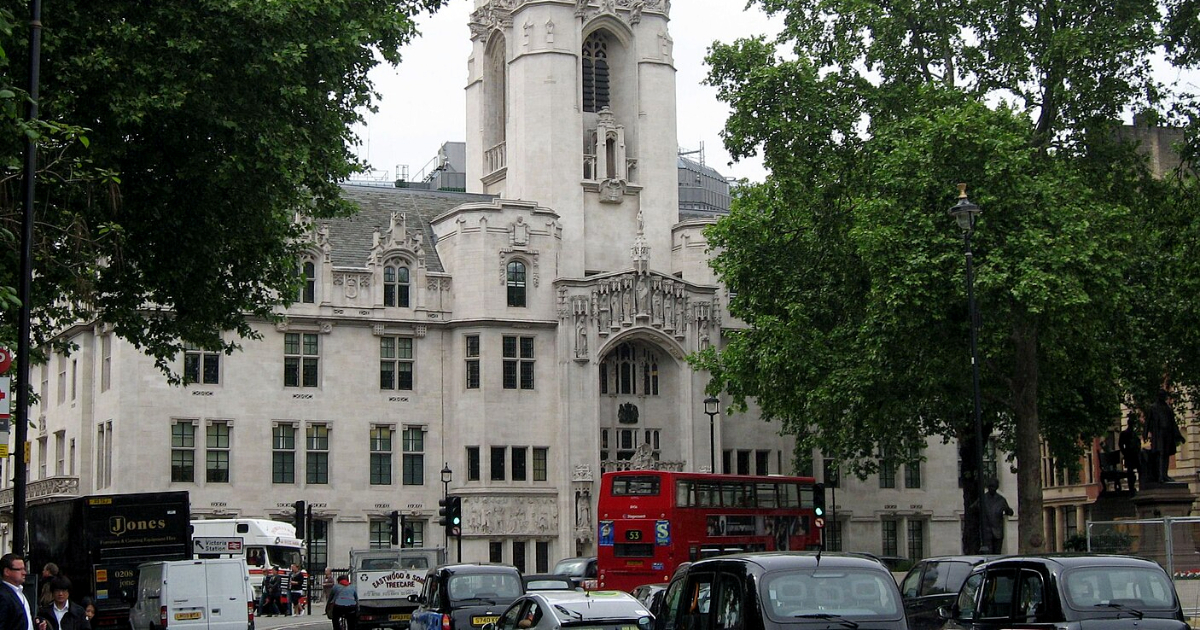
The Supreme Court of the United Kingdom rejected the latest attempt by the National Bank of Cuba (BNC), now merged with the Central Bank of Cuba, to halt the lawsuit filed by the investment fund CRF I Limited, the largest holder of Cuban external debt.
With this decision, issued on March 31, 2025, the jurisdictional phase of the case is definitively closed and the way is opened for the substantive phase of the judicial process, according to the independent media Diario de Cuba, which reported statements from representatives of the fund.
CRF, which has unsuccessfully attempted to negotiate with the Havana regime since 2013, celebrated its fourth consecutive victory in British courts.
The ruling, which reaffirms its status as a legitimate creditor of the BNC, poses serious financial and political implications for Cuba.
The origin of the conflict: A debt from the era of Fidel Castro
The disputed debt dates back to the 1980s, when Fidel Castro declared that Cuba's external debt was “unpayable and uncollectible.” Based on that premise, the Cuban regime suspended payments and was effectively excluded from international credit markets.
In 2013, under the leadership of Raúl Castro, the fund CRF I Limited –composed of private investors and based in the United Kingdom– began acquiring defaulted Cuban debt, betting on a future renegotiation. By 2017, its portfolio had reached over 1.2 billion euros.
As the negotiations with the regime failed to progress, CRF took the case to the British courts, where it has won consecutively in all instances.
Judicial chronology: From the initiation of the process to the Supreme Court's ruling
- January 2023: The trial begins in the High Court of Justice of England and Wales. The Cuban regime deploys an official delegation and faces protests from the exile community in London.
- February 2023: Hearings conclude. A ruling is expected in months.
- April 2023: Judge Sarah Cockerill recognizes CRF as a legitimate creditor of BNC, although exempts the Cuban State from the litigation.
- June 2023: Cuba appeals the ruling unsuccessfully.
- July 2024: London court holds appeal hearing. The regime insists that CRF is claiming a right that it does not have.
- November 2024: The Court of Appeal upholds the initial ruling. Cuba requests permission to appeal to the Supreme Court.
- March 2025: The Supreme Court of the United Kingdom rejects the regime's final appeal and orders it to pay the costs of the proceedings.
Official reaction from the Cuban regime: Discourse of denial and propaganda
The official narrative insisted that the Cuban state has not been condemned and that the ruling only means the continuation of the process.
Through spokespersons like Humberto López and state media, the regime claimed that the "Republic of Cuba" is out of the lawsuit, despite the fact that the National Bank served as an official state entity for decades.
The BNC has repeatedly labeled CRF as a “vulture fund”, accusing it of attempting to profit at the expense of the suffering of the Cuban people. It even claimed, without success, that the transfer of the debt was achieved through bribery, a claim that was dismantled during the trial by the plaintiff.
Furthermore, government officials have denounced alleged media manipulation and the involvement of the "counter-revolution" regarding the case, without providing substantial evidence.
Reaction from the CRF fund: Legal persistence and warning
CRF I Limited celebrates the victory as "decisive and conclusive." Its president, David Charters, stated that the British Supreme Court has confirmed what they have maintained from the beginning: that they are legal creditors and that the regime no longer has any legal defenses to avoid the substantive trial.
In January 2025, the fund offered the Cuban regime a debt restructuring: an initial payment of 40 million pounds and the remaining balance interest-free for five years. The letter was ignored by Havana.
Charters warned that, given the regime's continual refusal to negotiate, they will intensify their actions to enforce the ruling, backed by the judicial authority of the United Kingdom.
The response of civil society and the exile: Rejection and protests
During the judicial process, Cuban citizens residing in Europe mobilized in London to protest against the regime.
Acts of repudiation were recorded against official representatives such as Humberto López, as well as banners denouncing the regime's impunity and its history of unpaid debts.
On social media and independent outlets, opponents criticized the government's manipulation of information, celebrating the transparency of the British judicial process in contrast to the institutional opacity of the Island.
The regime and its history of debts: Defaults, refinancing, and delaying maneuvers
Cuba has been facing a structural default situation since the 1980s. Despite periodic promises of renegotiation, the regime has failed to honor agreements with multiple creditors.
In January 2025, Havana signed a new refinancing agreement with the Paris Club, but it only covers a minimal portion of its total external debt. CRF represents a much larger and more contentious part, due to its willingness to resort to courts and not accept extensions without guarantees.
The lack of credit credibility on the Island complicates the acquisition of new loans, even from allied countries or multilateral institutions.
Political and financial implications of the British ruling
This judicial setback weakens the Cuban regime's narrative of immunity against external creditors. By recognizing CRF as a legitimate creditor, the door is opened to potential asset seizures of the BNC abroad if financial obligations are not met.
Moreover, it could encourage other debt holders to initiate similar lawsuits, opening a financial front that the regime will hardly be able to contain without internal economic consequences.
Conclusion: A regime cornered in the courts and in the markets
The ruling of the British Supreme Court marks a milestone in the legal battle for the recognition and enforcement of Cuba's financial obligations. The regime has lost all possible appeals and must now face the substantive phase of the judicial process.
While attempting to maintain a discourse of immunity and innocence, the judicial and economic facts reveal a different reality: that of a recurring international debtor, lacking the ability or willingness to pay, caught between internal propaganda and external pressure.
The battle for Cuba's debt, which began decades ago, is now entering a definitive stage. And this time, it will not be Havana setting the rules.
Filed under: